

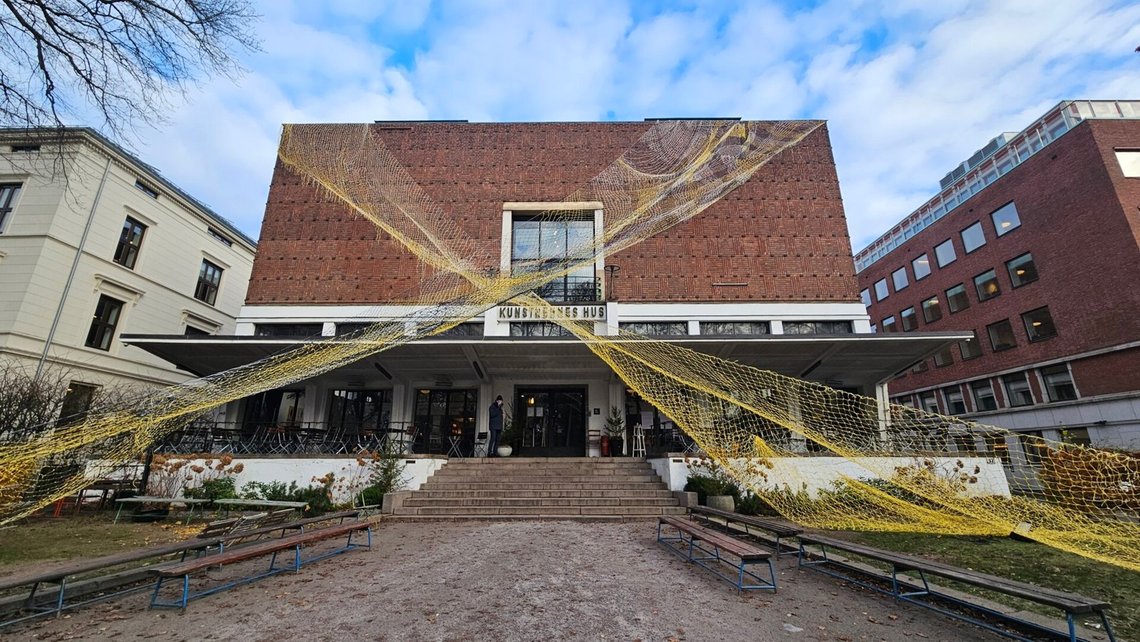


For many decades, Kunstnernes Hus has been an important art institution in Norwegian cultural life. But something has gradually been happening to both its profile and its normative foundations. This year’s Autumn Exhibition was typical in this respect, featuring works that belonged more on the scrap heap than in an art gallery. The artist-led jury appeared both professionally inept and aesthetically untrained. This is confirmed by the subsequent exhibition ‘Bærende konstruksjoner’ (‘Load-bearing Structures’), which attempts to show that the artistic can also be rooted in something technical and theoretical.
Although this title sounds like an exhibition of technological objects, the works have been hand-picked by the jury at Kunstnernes Hus to demonstrate that works of art, too, can be interwoven with load-bearing structures. There are, therefore, works of art that are characterised more by rational and technical means than by emotions and sensory qualities. This broadening of art’s identity – the idea that it does not consist solely of emotions and moods, but can also express the work’s structural integrity – is not a historical novelty.
Ever since the early 1900s, artists have downplayed the sensory and aesthetic aspects in order to emphasise the abstract and conceptual elements of the work. Here, Marcel Duchamp’s ‘Fountain’ is the very prototype of a concept-based work. It not only highlights the absence of function, but also insists that the object’s artistic idea is a social construct that lies outside the urinal itself. Since the work no longer requires an inherent aesthetic, artistic expression can also be transformed into theoretical and abstract structures. This is what we are now seeing at Kunstnernes Hus.
The exhibition ‘Sustainable Constructions’ shows no ambition to emphasise the sensory or aesthetic qualities of the artistic expression. Here, the jury has placed a one-sided focus on the structural strength that supports the work, with the result that it is solely the theoretical and intellectual structures that shape the object’s visual expression. The exhibition’s many banal objects are therefore devoid of aesthetic qualities. It is teeming with trivial objects, many of which could just as easily have been consigned to the scrap heap.
The exhibition ‘Supporting Structures’ thus attempts to highlight something fundamental in the design of the artwork, but at the same time, something is unintentionally absent from this definition of the work: namely, the artistic sensibility of the piece. This narrow-minded focus on the constructive sustainability of art has consequently resulted in a selection of objects that should never have been exhibited at Kunstnernes Hus. For this one-sided prioritisation in the exhibition’s selection of works will also have an aesthetically undermining effect on the entire art world. This exhibition was yet another aesthetic misstep for Kunstnernes Hus.
In a completely different context, I recently came across an advert for a new consultancy engineering firm. The title was ‘NY STRUKTUR’, with the subtitle ‘Sustainable Structures’. There was little in the way of aesthetics to be found here; it simply stated that the firm designs sustainable buildings and structures – all the way from sketch to production documentation. Something like this ought to be of interest to sustainable artists who lack aesthetic judgement.
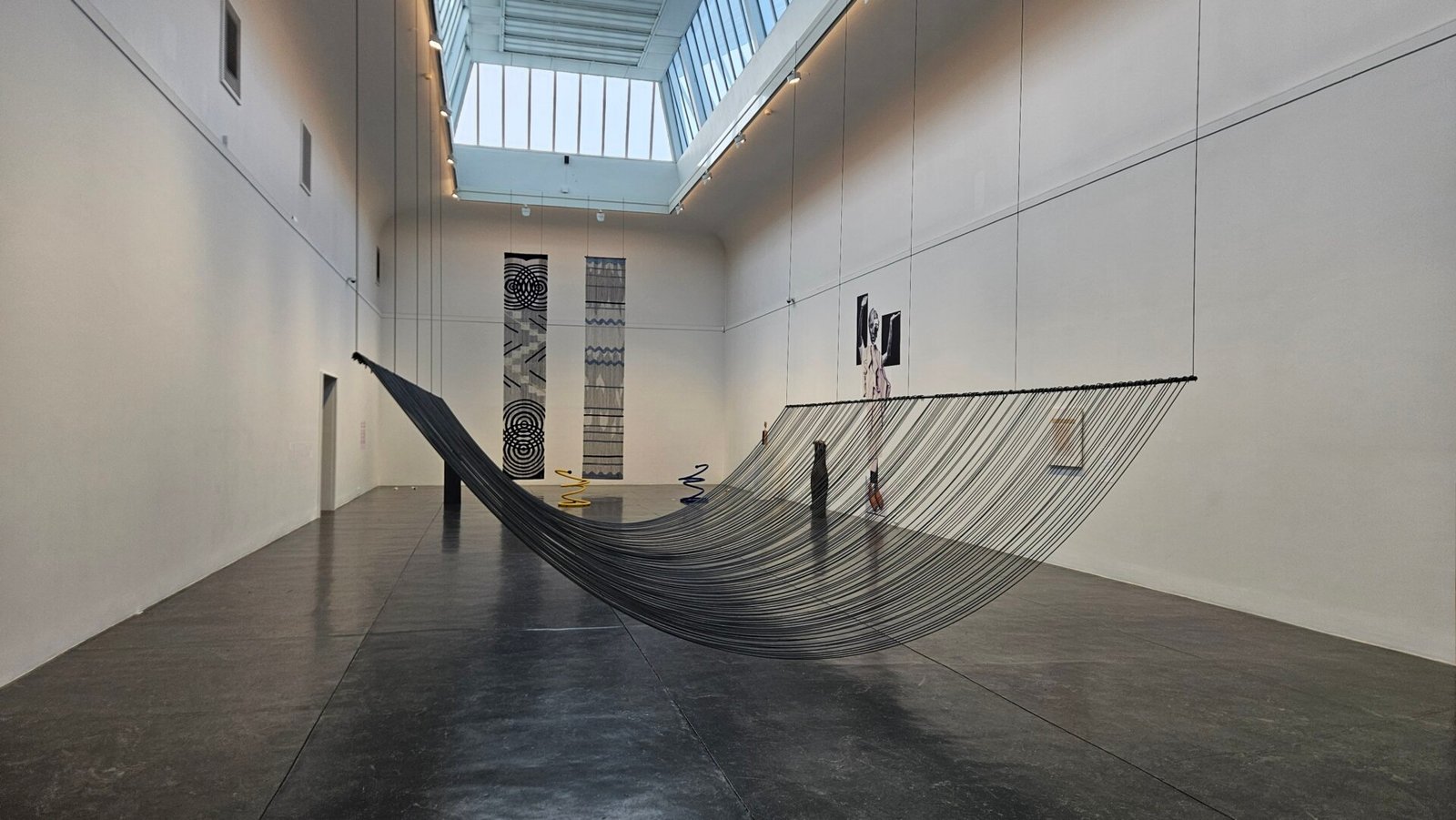
Image from the exhibition.
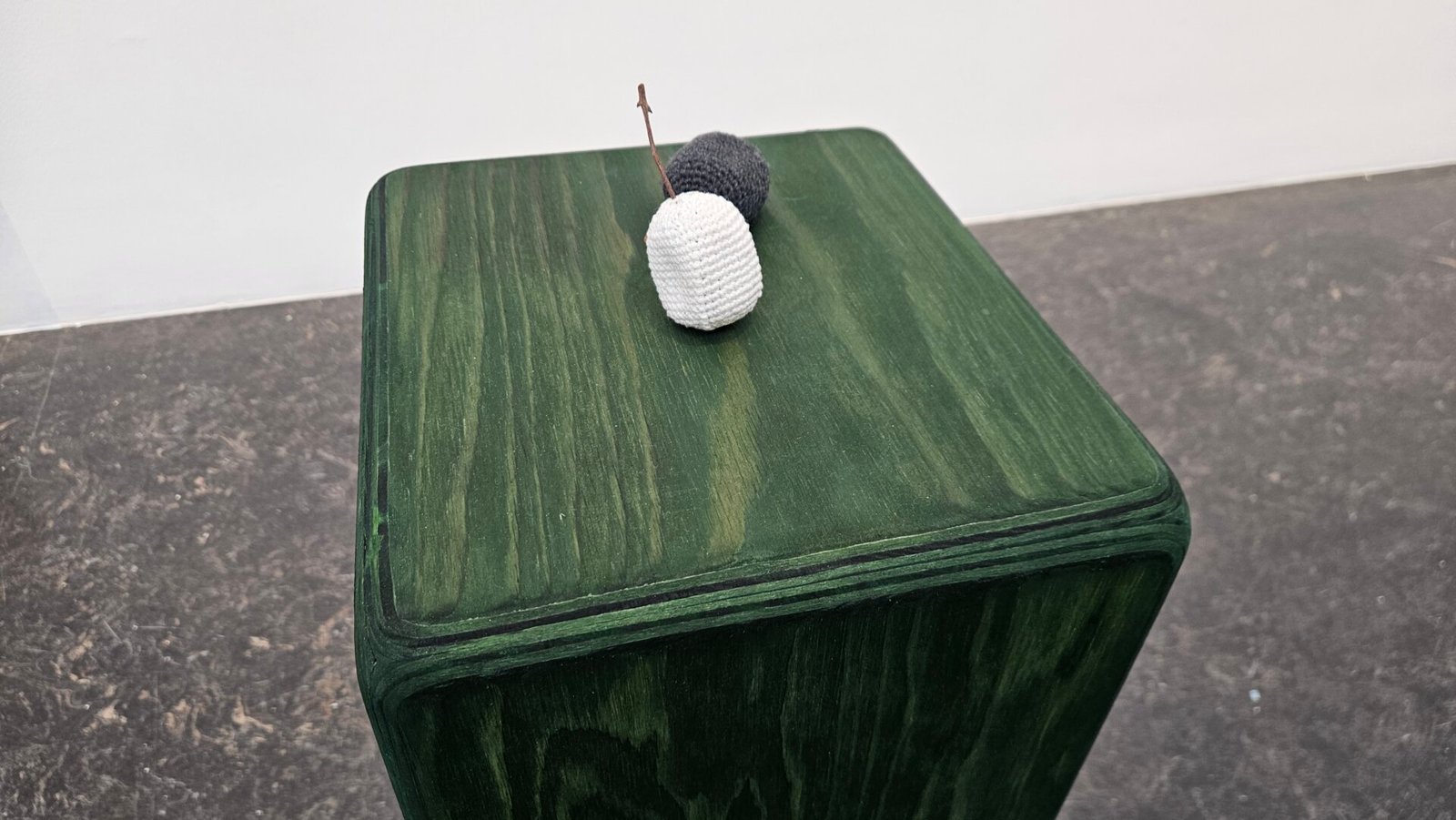
Image from the exhibition.
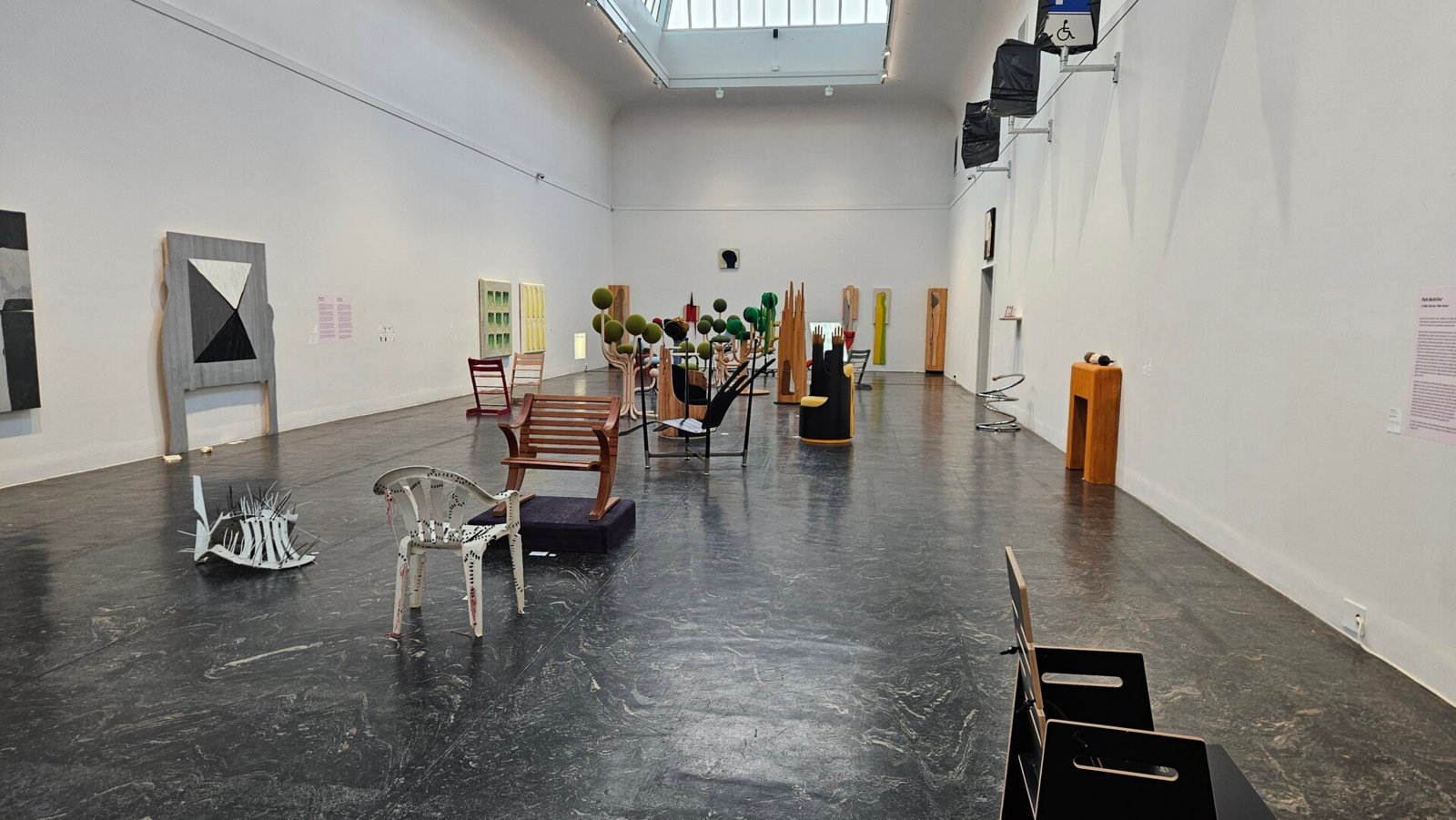
Image from the exhibition.
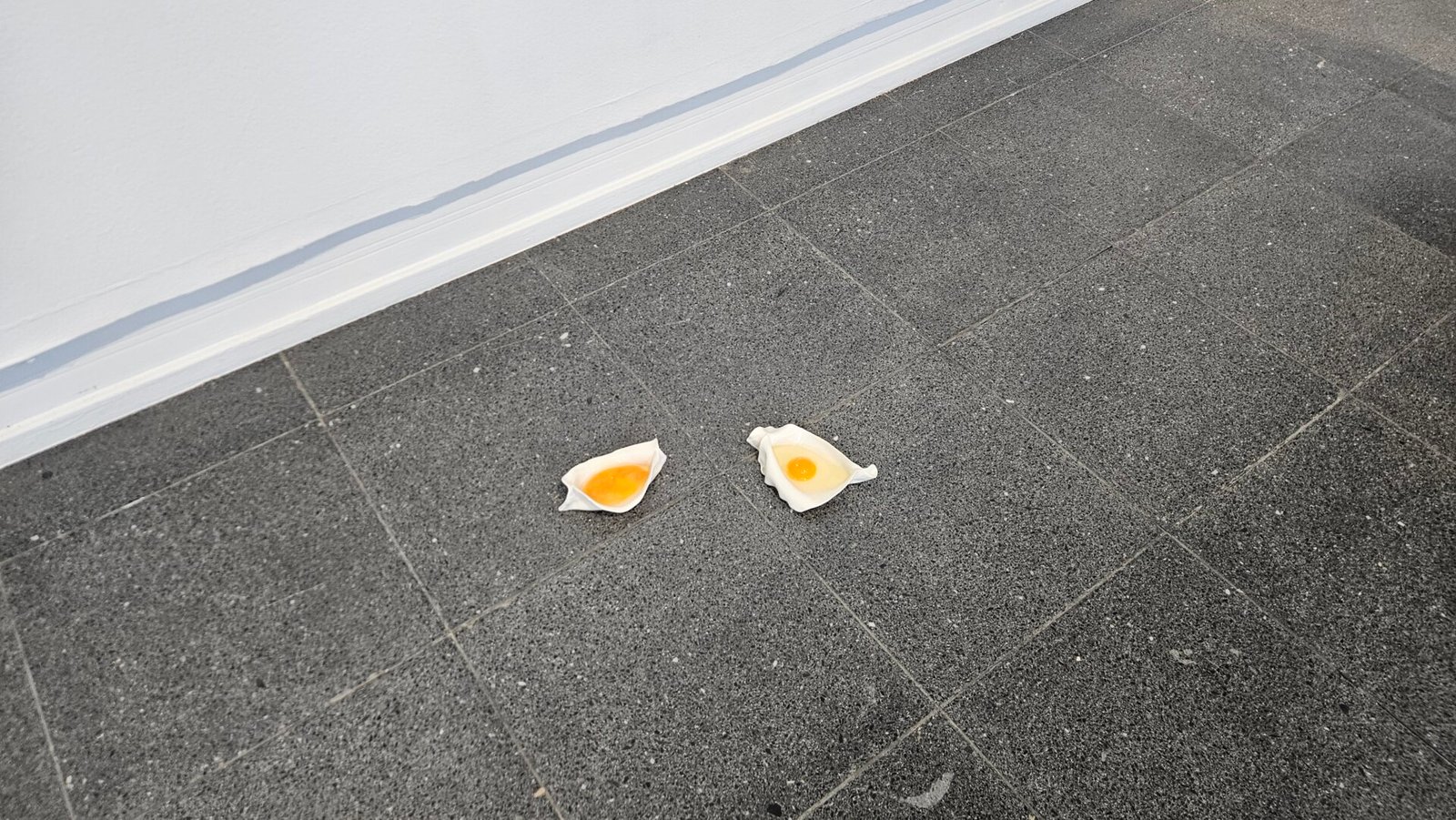
Image from the exhibition.
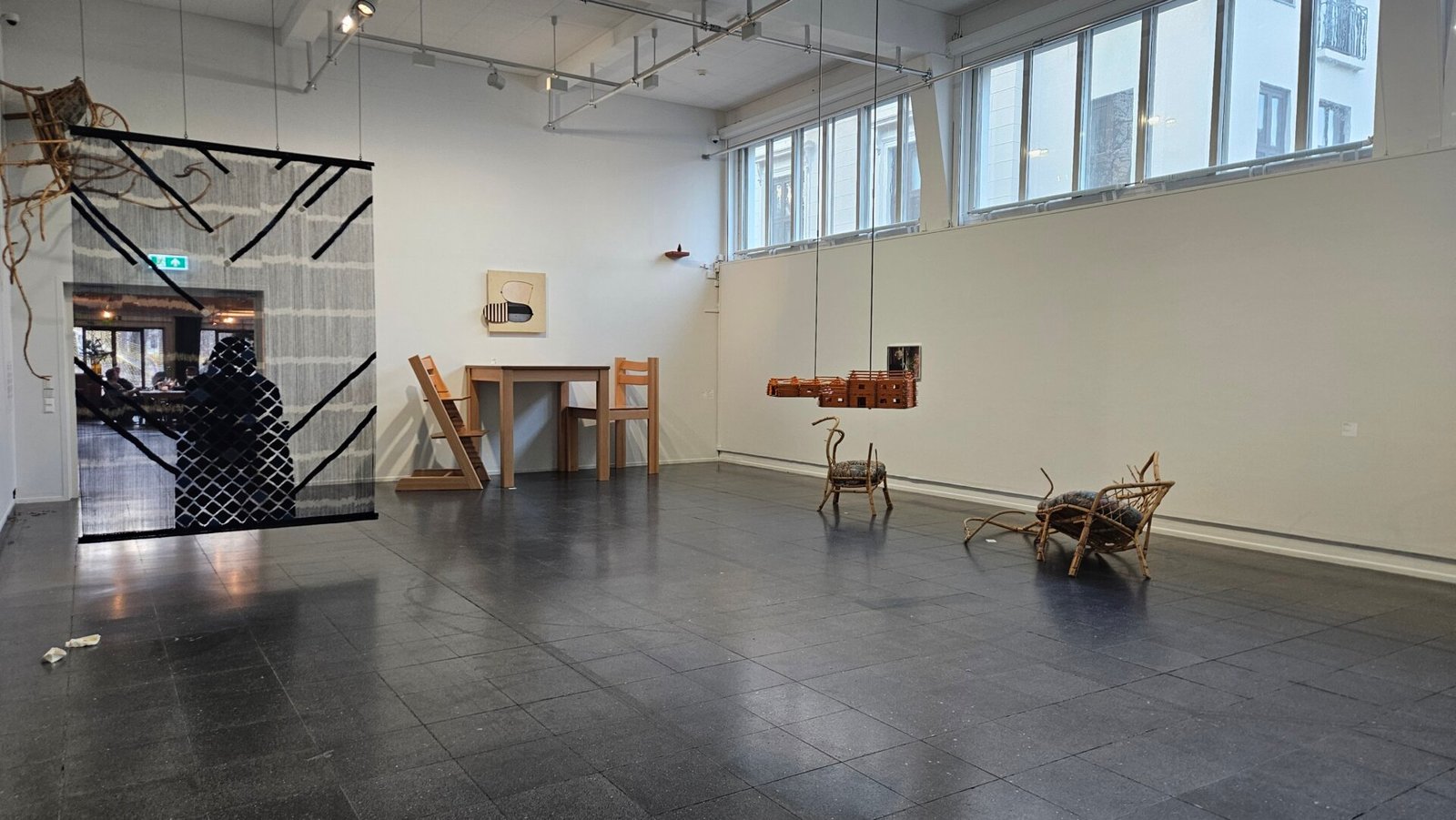
Image from the exhibition.
Kunstnernes Hus, Oslo:
Load-bearing Structures
On display from 13 November 2026 to 21 March 2027


