

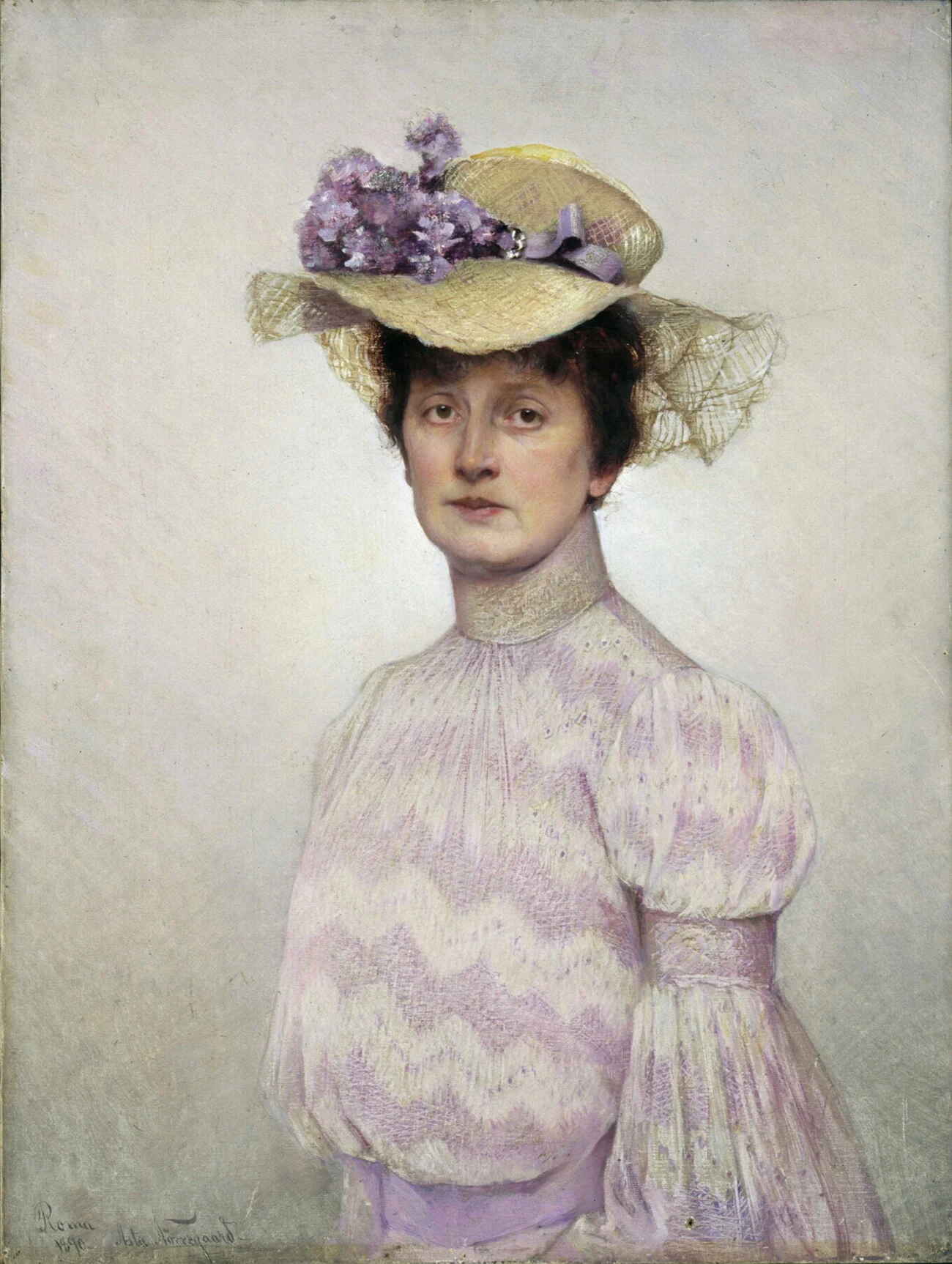
 Asta Nørregaard, “Self-Portrait”, 1903. Photo: Oslo Museum / Rune Aakvik / Public Domain.
The major exhibition of Asta Nørregaard’s works at the National Museum is packed with remarkable art, but it has also been given an enigmatic title: “Truth and Beauty”. That the paintings are beautiful, or aesthetically pleasing, makes sense, but where does “Truth” come in? Asta Nørregaard was not a realist artist with an emphasis on pedantic accuracy. Had the title contained a third category, namely “the good”, we would have had a clear reference to modernity’s distribution of validity through “the true, the beautiful and the good” in art, which in the nineteenth century became the overarching paradigm for the governance and development of society.
Given that Asta Nørregaard also painted religious motifs, including an altarpiece, the title appears even more enigmatic. Here, the museum’s curators must have been thinking both innovatively and obfuscatingly. The category of “the Good” may not be especially aesthetically relevant today, but in the nineteenth century it functioned as a moral and political guiding principle in the assessment of artistic forms of expression. It was chiefly managed by the institutional power-holders of the art world, for example the National Gallery, which never purchased a single work by Asta Nørregaard.
Although the exhibition title is enigmatic, the National Museum’s major presentation of Asta Nørregaard’s works is not especially complicated. In all their thematic simplicity, they radiate a visual beauty and painterly professionalism that one rarely encounters among contemporary artists. Nor does one need theoretical training in order to experience the paintings’ pictorial qualities and the sensuous presence of their formal composition. The artist had complete command of her means of expression and her emotional disposition.
Asta Nørregaard grew up in a bourgeois family and began her first formal studies at Knud Bergslien’s painting school for women. There she came into contact with Harriet Backer, a female colleague who would become one of Norway’s most celebrated visual artists. In 1875 she travelled to Munich in Germany, where she received a solid education in the academic tradition, before continuing to Paris to engage with French plein-air painting. During her stay in Paris, she painted a religious motif with which she made her debut at the Paris Salon.
Her stay in Paris provided Asta Nørregaard with many creative impulses. There she also came into contact with the French painter Léon Bonnat, who became her teacher and artistic role model in the portrait genre. At the time, plein-air painting and Impressionism were also important currents in French artistic life. These offered painterly strategies that undoubtedly deepened and shaped her growing concentration on portrait painting, a genre that remained her preferred one throughout her life. The close contact with the sitter itself seems to generate a sensuous beauty that became the artist’s painterly hallmark.
Within this painterly field of force between artist and sitter, it is difficult to locate any truth. The likeness of the portrait is certainly convincing, a necessary condition for the patron, who was by no means just anyone within the bourgeois circles of the period. Perhaps it is here that “truth” resides, as a painterly embellishment of the power figures of the day. Artistically speaking, Asta Nørregaard has been undervalued by a politicised spirit of the age that disliked her painterly commissions for the bourgeoisie and other social elites.
The major presentation of her portraits and other types of motifs now at the National Museum may appear as a form of art-historical absolution. Here Asta Nørregaard’s art is presented with great empathy and care. The large number of paintings, pastels and drawings speaks eloquently of an artistic mastery that has enriched Norwegian art and culture for decades. With this magnificent exhibition, Asta Nørregaard’s artistic achievement has been elevated to both a national and an international level.
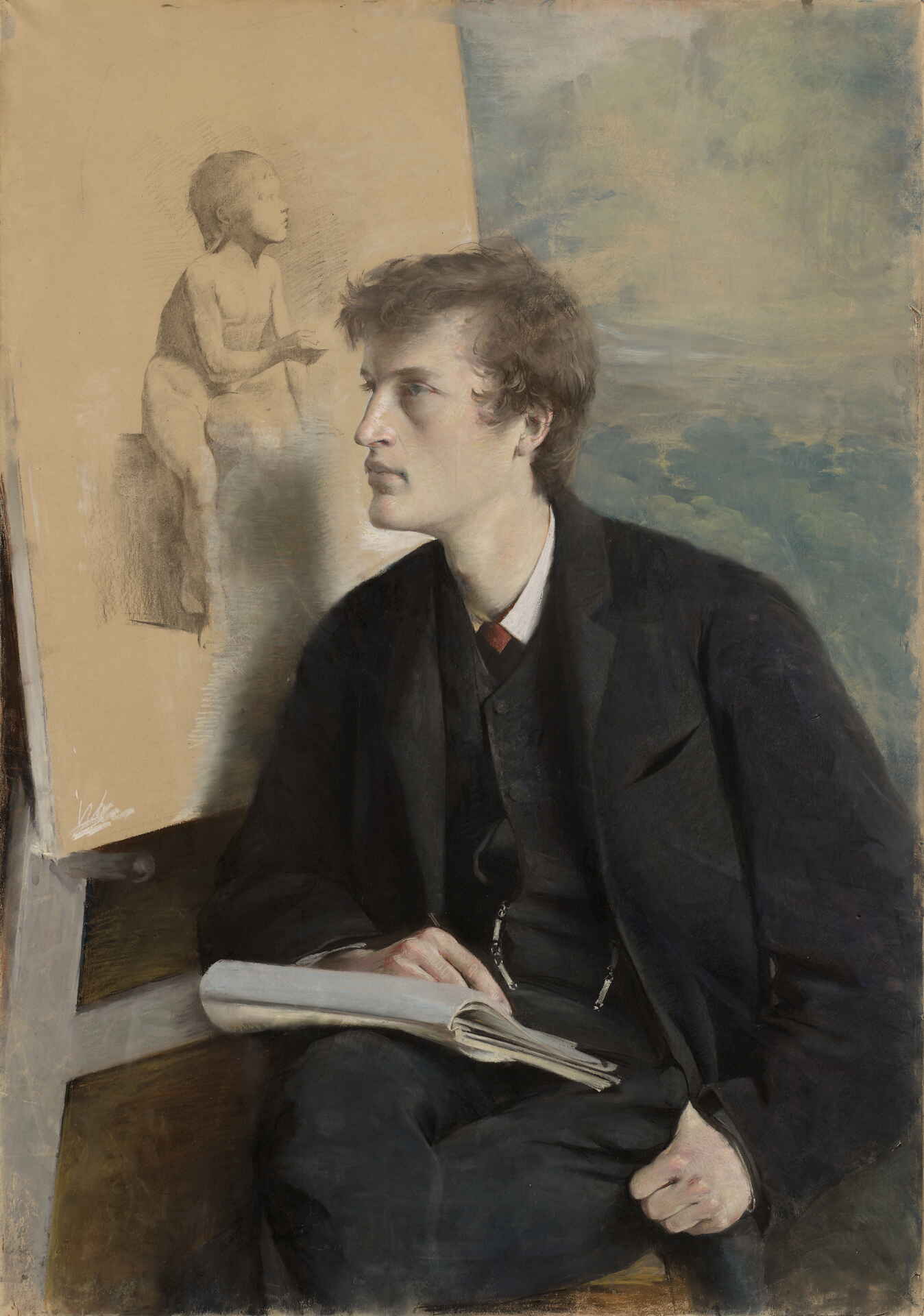 Asta Nørregaard, “Portrait of Edvard Munch”, 1885. Photo: © Munchmuseet / Halvor Bjørngård.
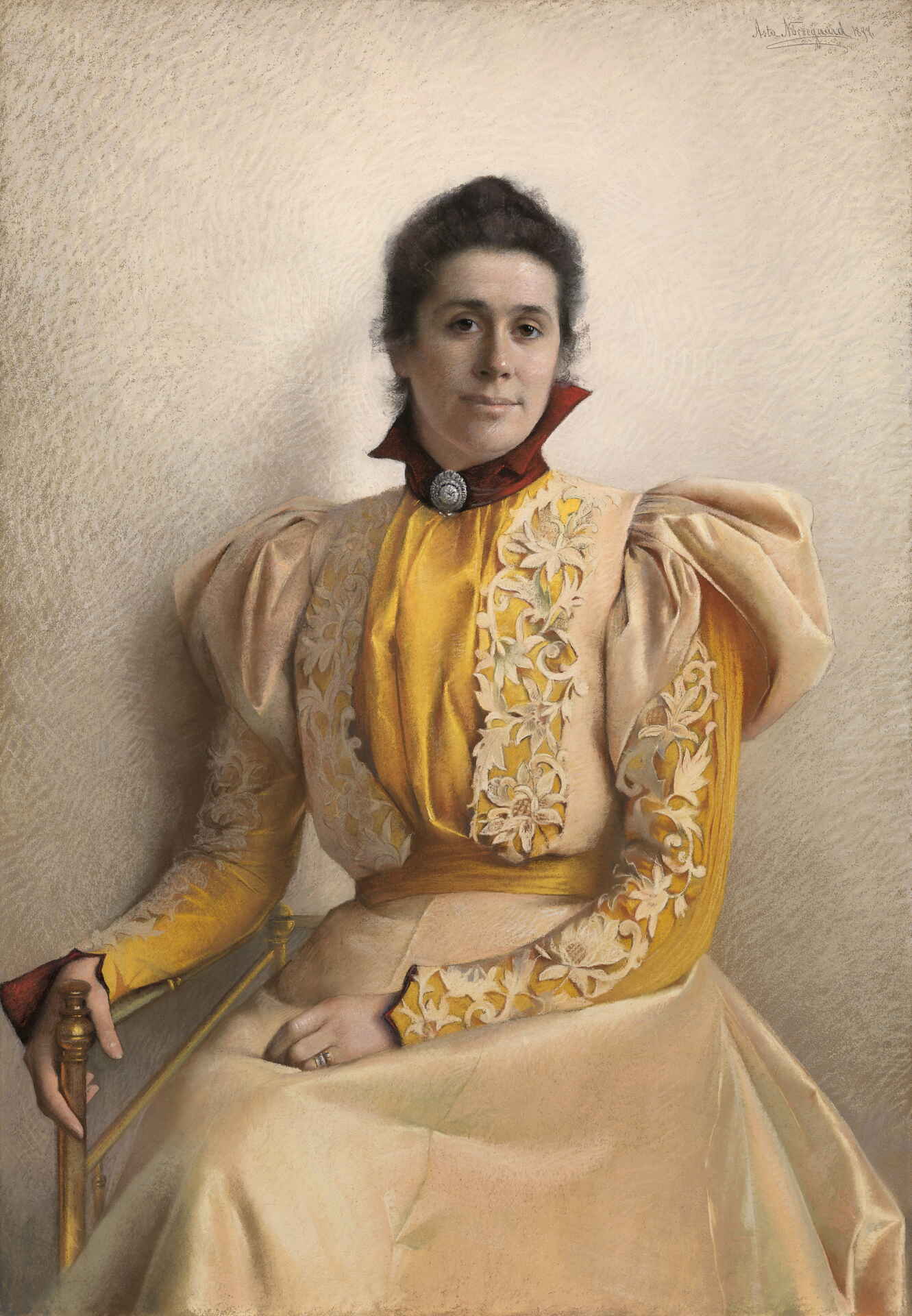 Asta Nørregaard, “Marthine Cappelen Hjort”, 1897. Photo: National Museum / Anne Hansteen.
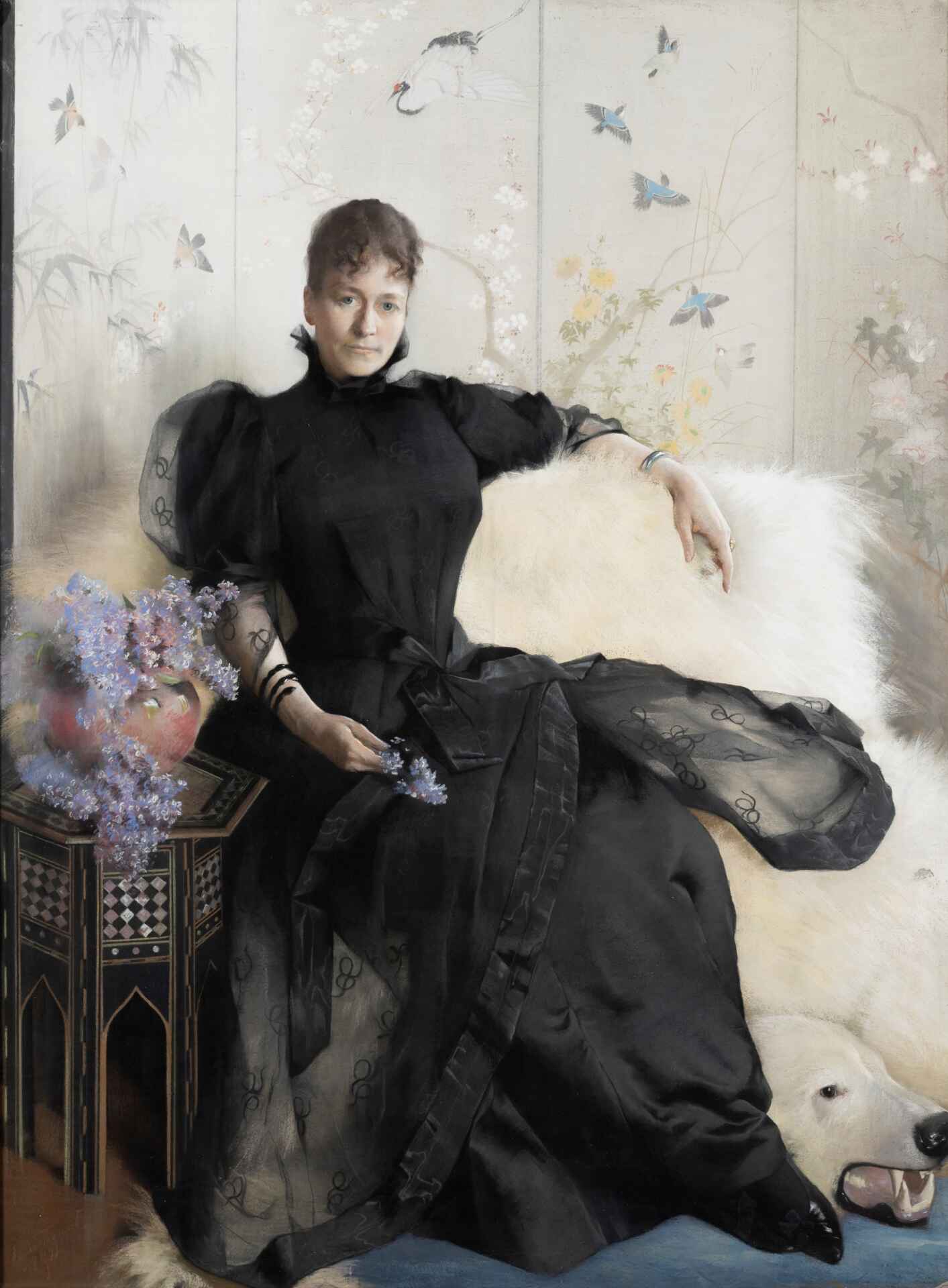 Asta Nørregaard, “Portrait of Elisabeth Fearnley”, 1892. Photo: Øystein Thorvaldsen.
National Museum:
“Truth and Beauty”
Asta Nørregaard – Paintings, Pastels and Drawings
Running from 28 May to 18 October 2026


