

The Swedish government is stepping up its efforts against Islamism. A comprehensive government inquiry is now being launched to map political Islam, religious radicalization, and suspected infiltration of Swedish authorities, organizations, and societal institutions.
On Thursday, the government announced that a special inquiry will examine how political Islam and Islamist networks affect Swedish society. The assignment includes, among other things, mapping the activities of Islamist movements, their possible influence over associations, schools, adult education organizations, and other societal actors, as well as analyzing how democracy can be protected from anti-democratic forces.
“The inquiry shall, among other things, analyze the consequences for integration and exclusion, as well as analyze how institutions and the functioning of democratic society are affected. The purpose is for the government to obtain a deeper knowledge base that can contribute to efforts to improve integration and reduce exclusion in Sweden,” the government writes in its press release.
According to the government, this is not only about individual extremists, but about structures and networks that in various ways seek to influence society in a religious and political direction.
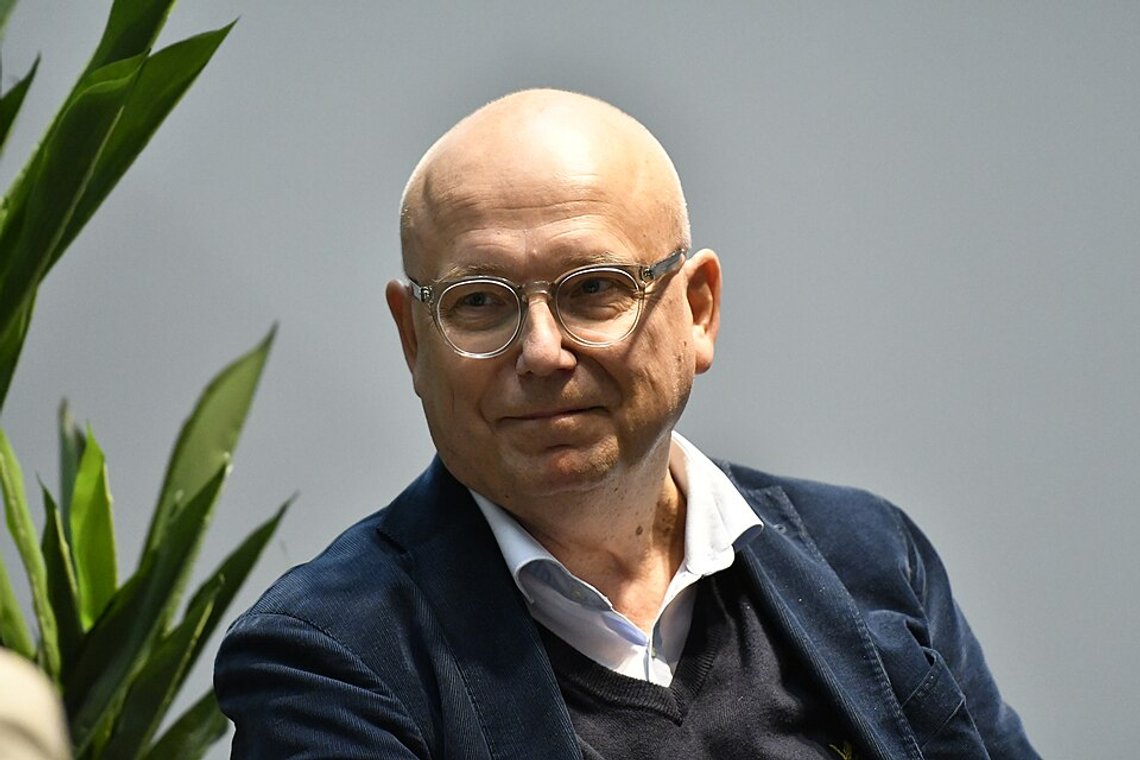
The inquiry will be led by terrorism researcher Magnus Ranstorp, who has spent many years researching Islamist movements and radicalization.
– Sweden needs to map these networks, their influence, and how they can be prevented. Antisemitism is democracy’s smoke alarm, and Islamism is one of the ideologies that must be scrutinized when it threatens freedoms and rights, he says in a comment to Expressen.
Building on previous work
The new inquiry follows the initiative taken last year by Minister for Employment and Integration Mats Persson (Liberals), who assembled a special expert group focused on Islamism and the activities of the Muslim Brotherhood in Europe. The initiative came after a French government report identified Islamist movements as a driving force behind parallel societal structures and also mentioned Sweden as a country where such environments have gained a foothold.
The expert group included researchers, representatives from the Swedish Police Authority and the Swedish Security Service, as well as other government representatives with knowledge of Islamist environments.
– We need to increase our knowledge of the scope and nature of the challenges that Islamist movements may pose to Swedish society. The expert group’s input will provide an important basis for the government’s continued work on this issue, said then Minister for Employment and Integration Mats Persson.
The results of that work contributed to the government’s decision to launch the current inquiry.
Focus on Infiltration
Over the past several years, the government has repeatedly warned that anti-democratic movements are attempting to influence Swedish institutions. Dokument has previously written about candidates for the Left Party who, ahead of the upcoming election, have praised terrorism and spread antisemitism, and about how networks of imams and Islamists have used associations, schools, and other parts of civil society to gain financial benefits and promote extremist and anti-democratic values.
– Islamism as a political idea threatens several fundamental values of democratic Swedish society. There is also a problem in that parts of the Islamist movement believe that violence both may and should be used as a method to advance certain political goals, says Hans Eklind, Member of Parliament for the Christian Democrats.
Eklind also argues that “there is every reason in the world” to investigate political Islam and infiltration in Swedish society.
The new inquiry will therefore not only analyze violent extremism, but also examine how ideologically motivated Islamist movements can influence societal development through opinion formation, organizational work, and long-term institutional influence.
– For far too long, Sweden has turned a blind eye to how Islamists have been able to establish parallel structures in society, which constitutes a threat to our democracy, equality, and our fundamental freedoms and rights. We now see how these forces are penetrating ever deeper into the democratic body of society. In order to combat this threat, an inquiry that maps the scope of the problem and how Islamist networks attempt to infiltrate Swedish society is an important step in the right direction, says Richard Jomshof, Member of Parliament for the Sweden Democrats.
Part of a broader strategy
The initiative is part of the government’s broader efforts against parallel societal structures and extremist environments. Previously, the government has, among other things, launched inquiries into clan structures, organized crime, and the possibility of limiting foreign financing of activities with anti-democratic purposes.
At the same time, the issue of political Islam has been controversial. Critics have warned that the discussion risks stigmatizing ordinary Muslims, while the government emphasizes that the inquiry is directed at Islamism as a political ideology and not at the religion of Islam as such.
– There are very many blue-and-yellow Muslims who are ultimately the ones most affected, says Minister for Education and Integration Simona Mohamsson (Liberals).
– There is a great deal of hesitation, a reluctance to put one’s foot down and dare to say it as it is – that we have a problem with Islamism that has spread.
The conclusions of the inquiry are expected to form the basis for future legislative proposals and other measures to strengthen protection against religious radicalization and anti-democratic movements in Sweden.
“The government’s work to strengthen integration and reduce exclusion is based on the fact that Sweden is a country with democratic values, stable public institutions, and a high degree of legal certainty. Individual freedoms and rights, such as freedom of expression and freedom of religion, are central. Religious radicalization can provide fertile ground for parallel societal structures and forces that have the potential to threaten the Swedish democratic system,” the government concludes in its press release.
Facts about the inquiry:
Committee Directive 2026:53 is titled Religiös radikalisering med fokus på politisk islam – konsekvenser för demokratin, integration och utanförskap (Religious Radicalization with a Focus on Political Islam – Consequences for Democracy, Integration and Exclusion) and states that the investigator shall:
• map the occurrence, scope, and development of religious radicalization in Sweden, with a focus on political Islam,
• describe and analyze the consequences of religious radicalization, with a focus on political Islam, for institutions and the functioning of democratic society, including infiltration as well as unlawful and improper influence,
• analyze how religious radicalization affects integration and exclusion,
• in its analyses, specifically highlight the consequences that religious radicalization has for children and young people, and
• submit proposals on how religious radicalization that leads to negative consequences can be prevented and countered.
The assignment shall be reported no later than 30 November 2027.


