

A new report reveals how organized crime has also gained a foothold within Swedish politics. According to information published by, among others, Svenska Dagbladet, more than 300 elected politicians in Sweden are linked to criminal networks or gang environments.
The report from the research initiative “Sverige mot organiserad kriminalitet” (Sweden Against Organized Crime)” identified a total of 313 elected officials — politicians at the municipal and regional levels, as well as municipal auditors — with connections to criminal milieus. According to the report, these are not merely peripheral contacts, but also individuals who are themselves suspected of crimes, have close relatives involved in criminal networks, or are otherwise considered security risks.
The revelation that more than 300 elected politicians in Sweden are connected to criminal networks should trigger a national crisis commission. Instead, the disclosure has largely been met with surprise, as if this were something new. It is not.
According to police estimates, between 50,000 and 60,000 people in Sweden are involved in gang crime, and for years there have been warnings that organized crime is no longer satisfied with drug trafficking, extortion, and violence. The target has gradually shifted toward society’s institutions themselves.
The gangs давно ceased to merely seek control over streets and residential areas. Today, they have representatives within the legal profession, the courts, and among decision-making officials, while seeking influence over municipalities, government agencies, welfare systems, and political decision-making processes.
Serious organized crime no longer stands outside the state attacking it — it now lives and operates within it.
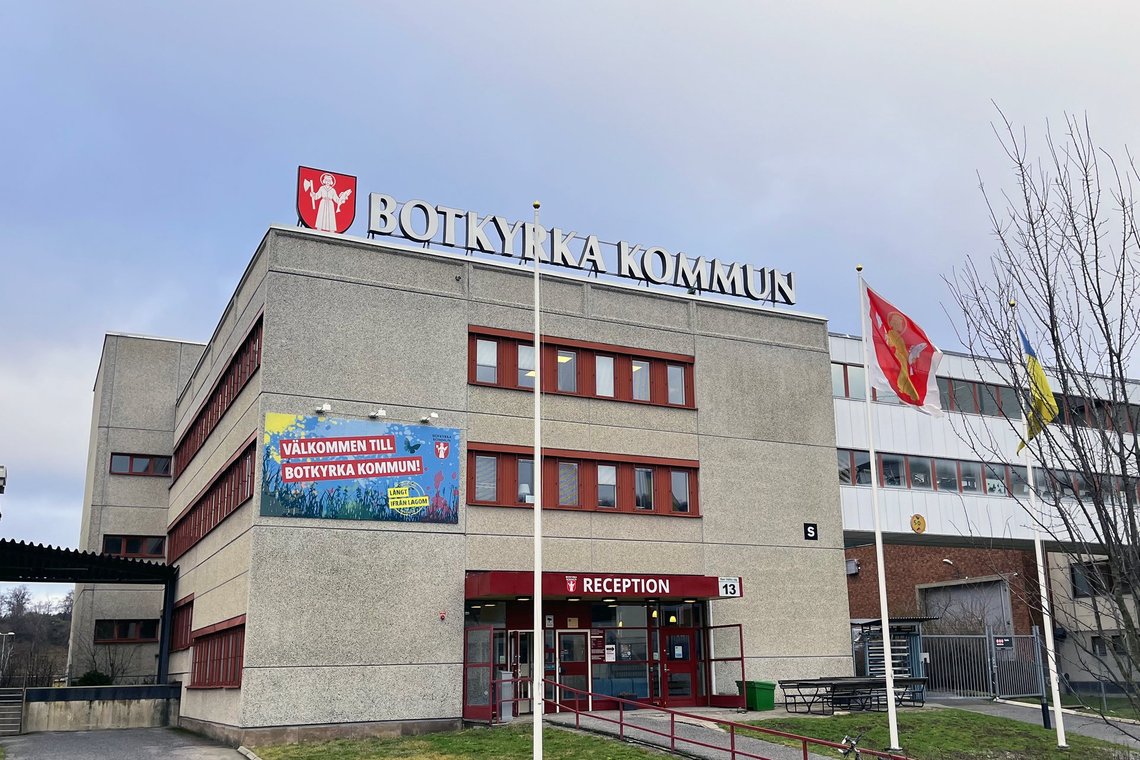
For example, it has been known since 2023 that serious criminals linked to the Vårby Network took control of the Social Democratic Party organization in the municipality of Botkyrka, south of Stockholm. The leadership of the Social Democratic Party was informed, yet saw no reason to act.
That organized crime seeks to infiltrate Swedish institutions is therefore nothing new. In recent years, warning reports have repeatedly highlighted infiltration within municipal operations, youth care institutions, assistance companies, the judicial system, and public procurement. The Swedish welfare state has become a cash machine for criminal clans, while the naivety of political parties — combined with the authorities’ diversity-driven policies — has provided gangs with a highway to legitimacy, protection, and influence.
Despite this, Sweden has never carried out any major national review of how far the infiltration has actually progressed. That is remarkable, to say the least, and now the country is reaping the consequences: the criminals are governing the nation.
If individuals connected to organized crime gain influence over political decisions, public procurement, and welfare programs, the state risks losing not only its monopoly on violence and its legitimacy, but also the trust of its citizens.
The infiltration of politics and public institutions by criminal gangs should therefore be treated as a top national priority. Yet in Sweden, the issue has long been politically untouchable — impossible even to discuss without fear of being labeled racist or accused of “benefiting the Sweden Democrats”.
The snowball was allowed to keep rolling, and now Sweden is being forced to confront an avalanche.
What Sweden now faces is a defining question about how the nation will respond: either the state intervenes with full force and removes not only hundreds, but many thousands of individuals from political parties, public agencies, and institutions — or the state continues to look away and allows the avalanche to bury the democratic society itself.


