
Category
Editorials
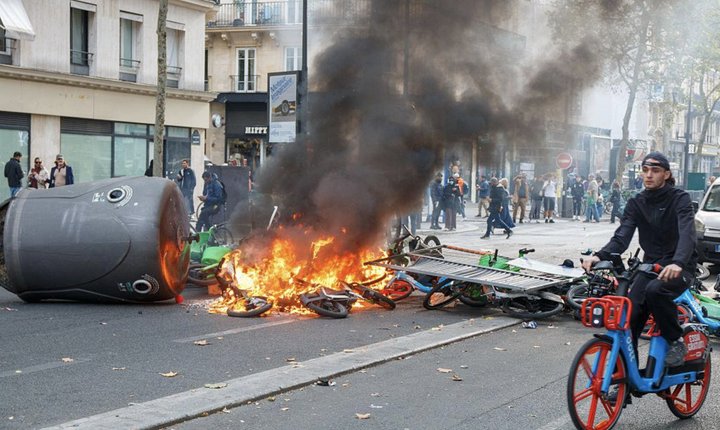
The alleged mastermind behind the 17 October riots in Italy has outlined how the revolution against the West can be carried out by migrants…
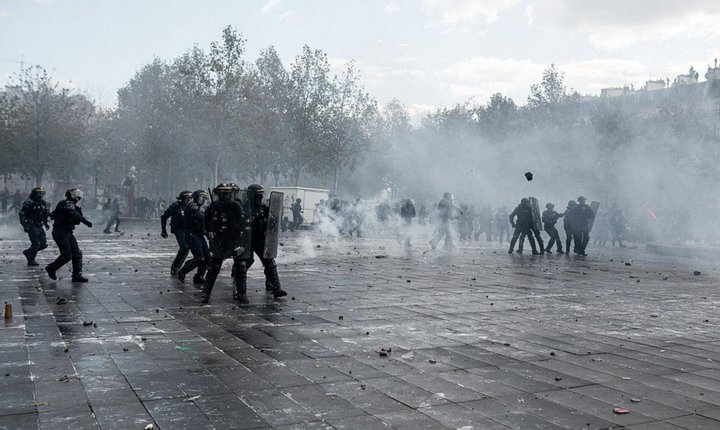
Western children are now being taught that their civilisation is to blame for everything that goes wrong in Africa and the rest of the…
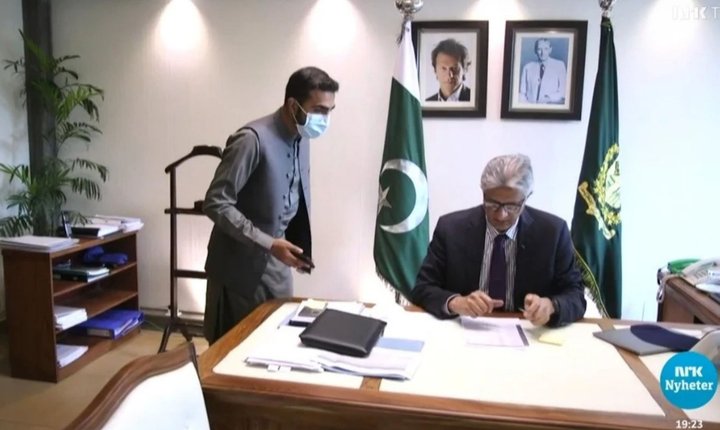
Usman Mushtaq, 37, from Stovner, hopes to become Oslo’s next city council leader. TV 2 portrays the qualified doctor and state secretary in the…
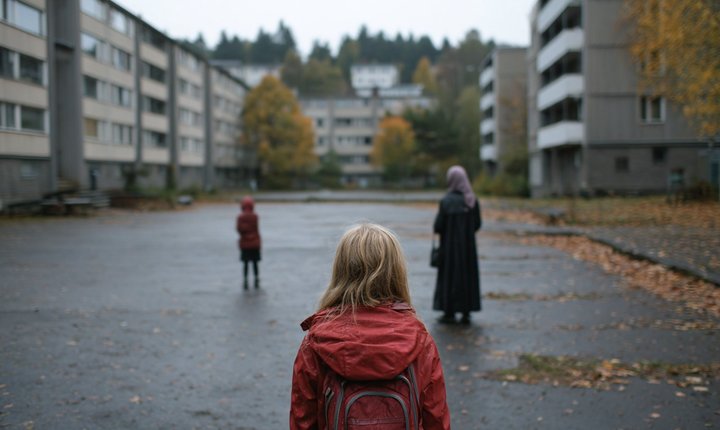
A mother in Groruddalen has to write anonymously about her daughter wondering whether she herself is haram. That says more about integration in Norway…
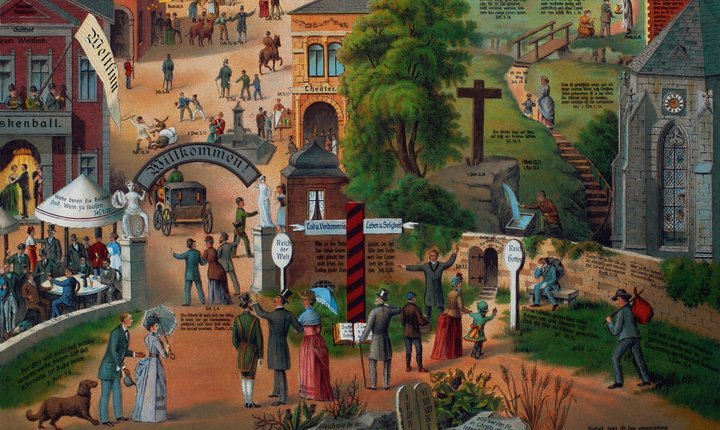
Europe’s problems stem from a political leadership that sees itself as the source of morality and believes it can create heaven on earth. It…

If you were told that North Korea has civil servants working and writing for the country’s largest and ‘independent’ fact-checking agency, you would probably…

The ultra-liberal immigration policy, which began with misguided humanism, post-modern lawlessness and a desire for cheap labourlabour, is on the verge of escalating into…
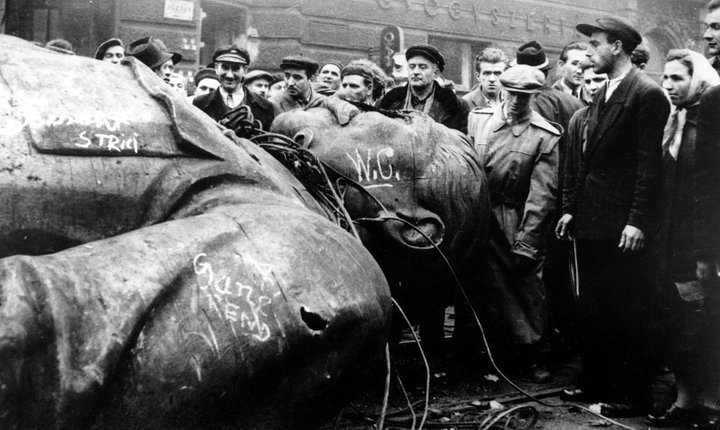
On 23 October 1956, a popular uprising broke out in Budapest. It developed into a nationwide uprising against godless tyranny, with a people fighting…
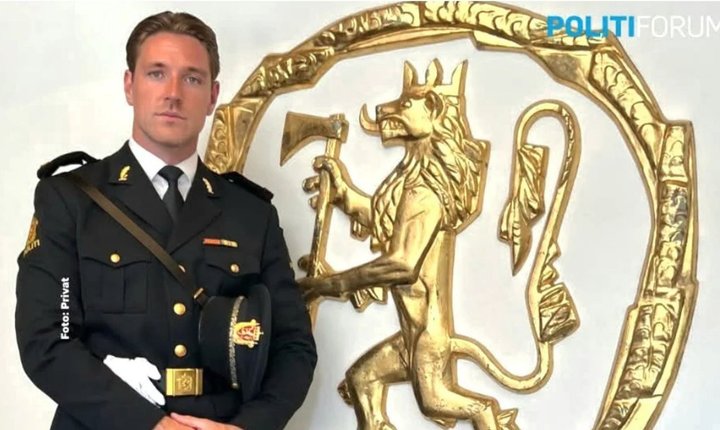
“The issue of the hijab as part of the police uniform has been settled three times. Now they’re trying again, using a cross on…
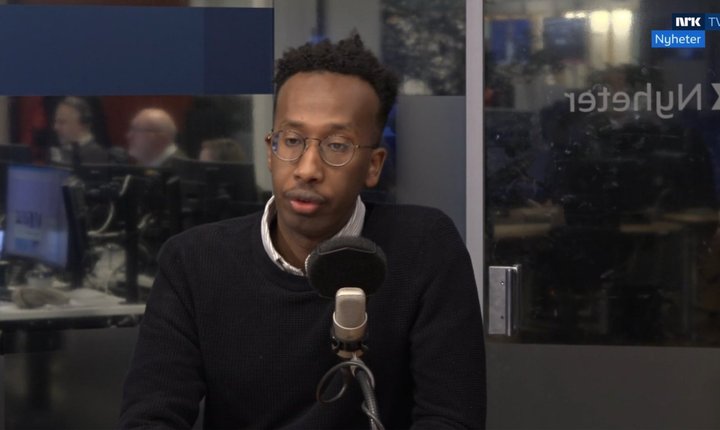
The new AUF leader, Fawzi Warsave, chose to ignore reality during a live broadcast on ‘Politisk kvarter’ on Tuesday. He painted a rosy picture…
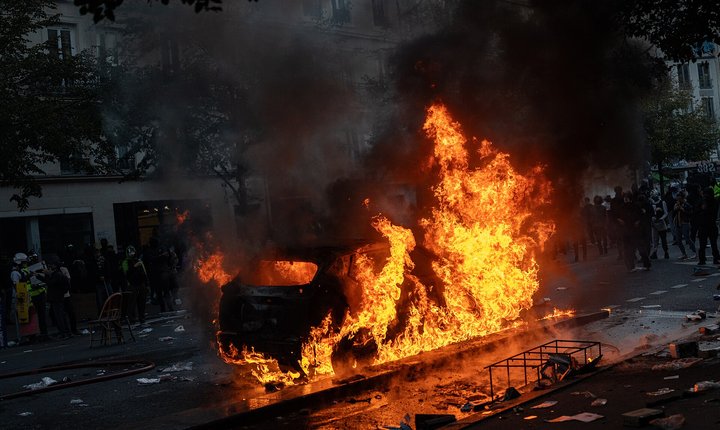
Do the Norwegian media tend to attribute unrest to social factors when it comes to groups they perceive as marginalised, whilst in other contexts…
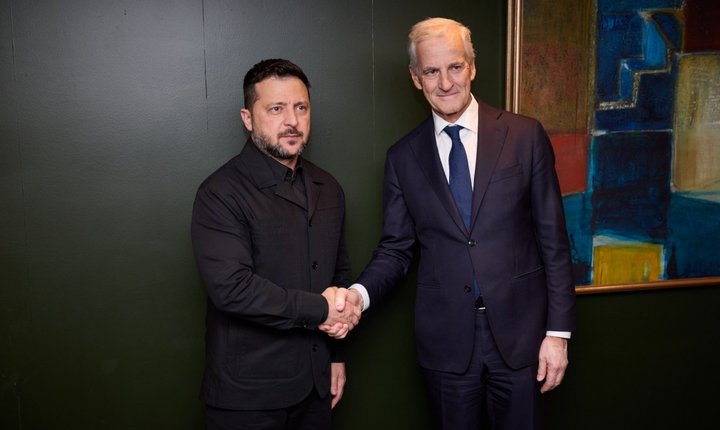
For several hours now, I have been watching Norwegian commentators discuss today’s meeting between Zelensky and Witkoff in Oslo. NRK has devoted Dagsnytt 18,…

Thomas Seltzer tells NRK that there is a little sadist inside him who loves to tease Norwegian Trump supporters. Seltzer describes these Norwegians as…
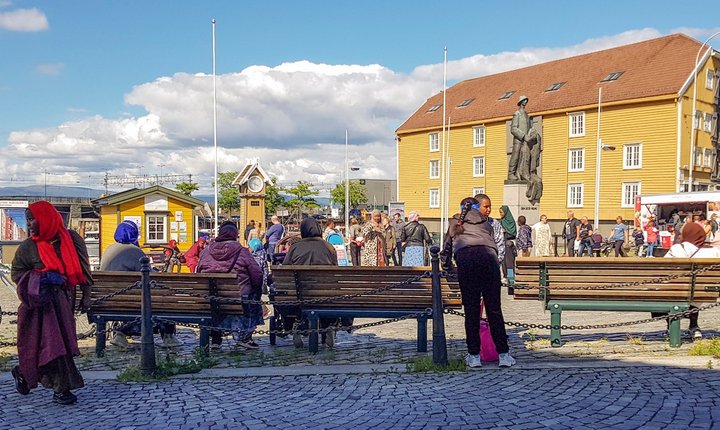
Official definitions put Norway’s immigrant population at 17.5 per cent, but measuring ancestry gives an estimated 26.7 per cent. The author argues that Statistics…
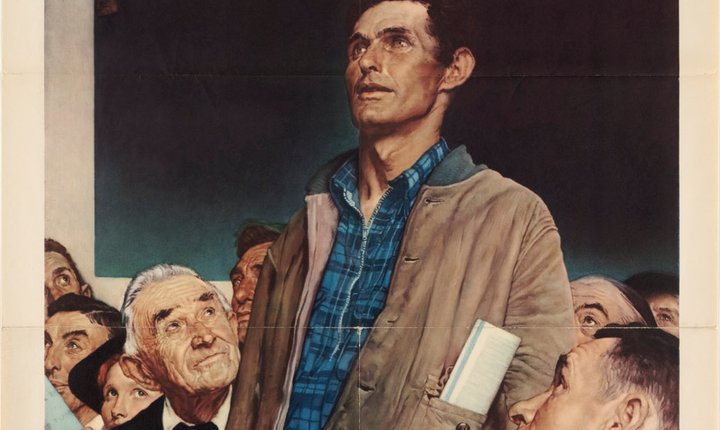
Government control over communication obstructs information-sharing, free opinion formation and rational debate. This trend is both anti-intellectual and anti-democratic, undermining a democratic process belonging…
For the first time in history, foreign armies are being allowed to occupy one’s own territory of their own accord. When these forces begin…