



Half of all those under 30 intend to vote for the Progress Party (FrP). In fact, more than half: 53 per cent. The other parties must share the remaining 47 per cent between them.
This is shown by Norfakta’s October poll for Klassekampen and Nationen, conducted on 6 and 7 October.
Now for the caveats. The sample comprises 1,000 people, and only 147 of them are under 30. Election researcher Johannes Bergh at the Institute for Social Research tells Klassekampen that the figures for young people must be interpreted with caution. The margin of error increases when a poll is broken down.
The Labour Party, which governs the country, is the second most popular among young people, with seven per cent.
There is a significant gender difference. 43 per cent of men in the poll intend to vote for the Progress Party (FrP), compared with 23 per cent of women. Bergh believes that the proportion among young men is in reality even higher.
“It is quite clear that the FrP has been successful among young people,” he says.
Across the entire population, the FrP stands at 33.2 per cent. In last year’s election, the party secured 23.8 per cent. This represents an increase of 9.4 percentage points in just over a year. Last week’s InFact poll showed an even higher figure: 35.1.
The Labour Party (Ap) has fallen to 21.2 per cent. That is down 2.8 points since the previous poll, and 6.8 points below its election result of 28.0.
Høyre stands at 12.8. Rødt and Sp each have 6.2, SV 5.5, MDG 4.5, KrF 4.0 and Venstre 3.3. Other parties have 3.1.
The Conservative Party has not recorded a lower level of support in Norfakta polls since they began conducting monthly surveys in 2009, reports Klassekampen. Deputy leader Henrik Asheim is not satisfied.
“This is too poor a result for the Conservative Party. We have a big job ahead of us, because we need to be higher than this,” he says.
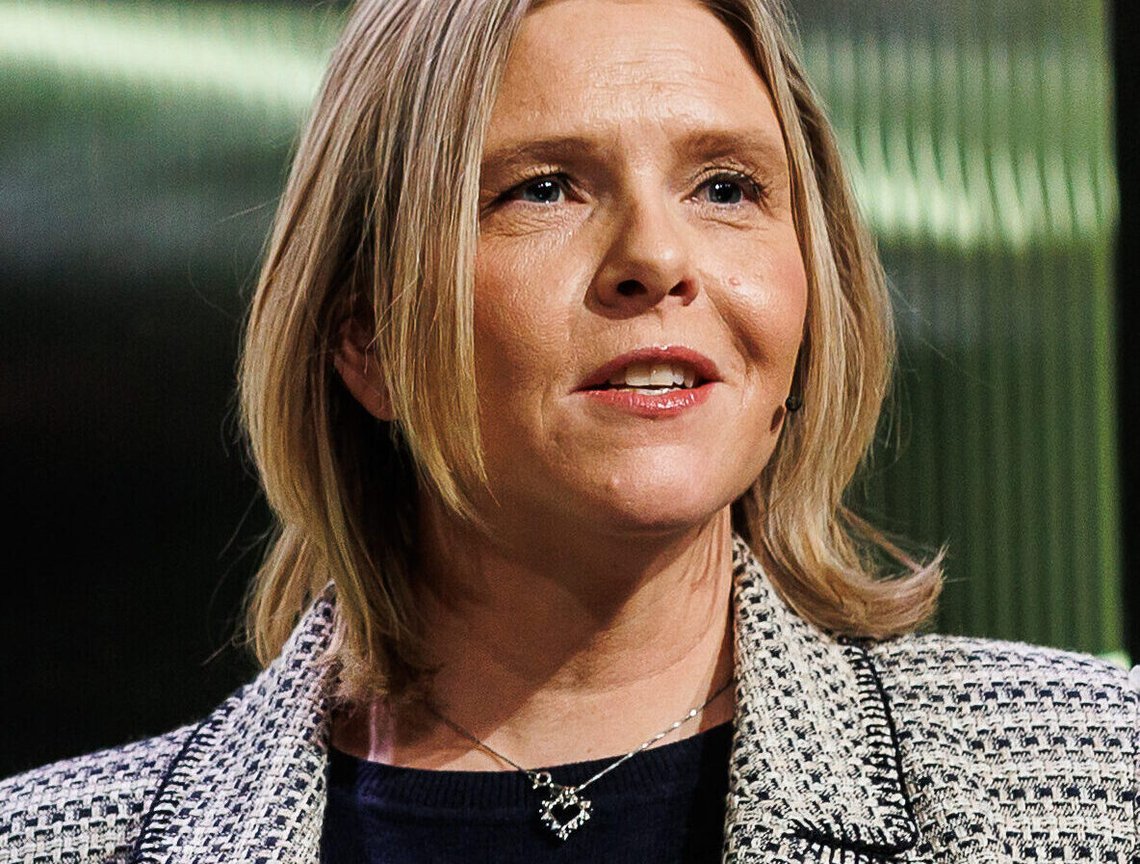
FrP leader Sylvi Listhaug is on a trip with the Foreign Affairs Committee and is replying to text messages. She points to the fight against taxes on food and fuel as a key reason for the progress. The Progress Party wants to reduce fuel taxes and halve VAT on food.
The centre-right bloc has a majority in the poll, with 92 seats, compared to 73 for the red-green coalition. Bergh believes it is hanging by a thread. The Christian Democratic Party (KrF) stands at four per cent, close to the threshold.
He also believes that the rivalry between the FrP and Høyre could make cooperation difficult. He reckons it is in the FrP’s interests to attack Høyre.


