

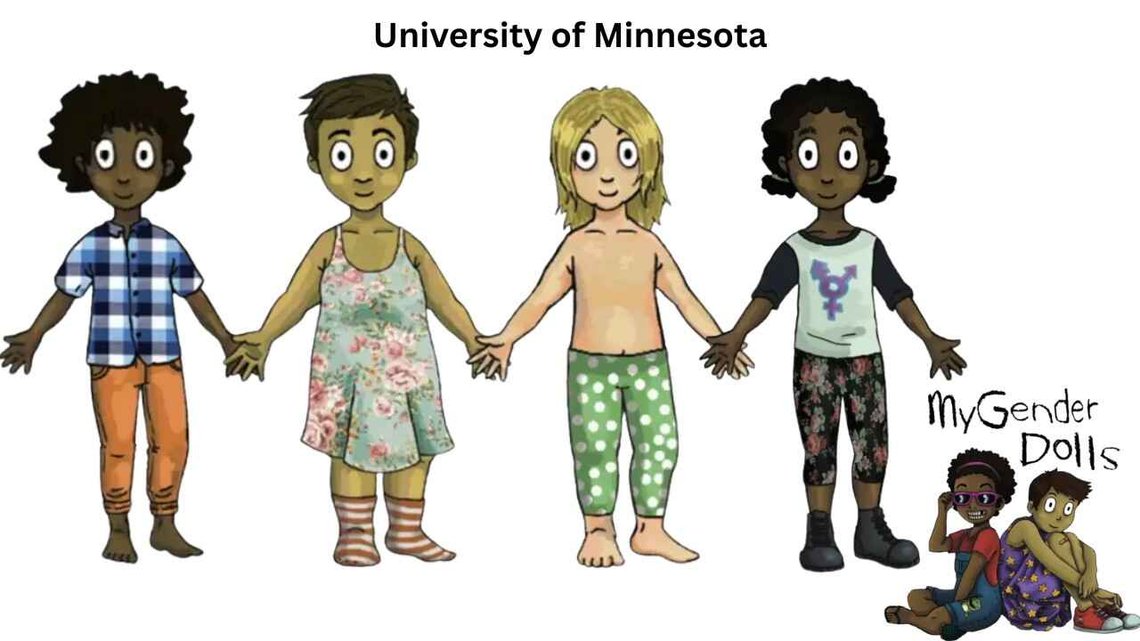
The New York Post describes the concept as a kind of transgender version of the classic Mr. and Mrs. Potato Head dolls, first introduced in 1952.
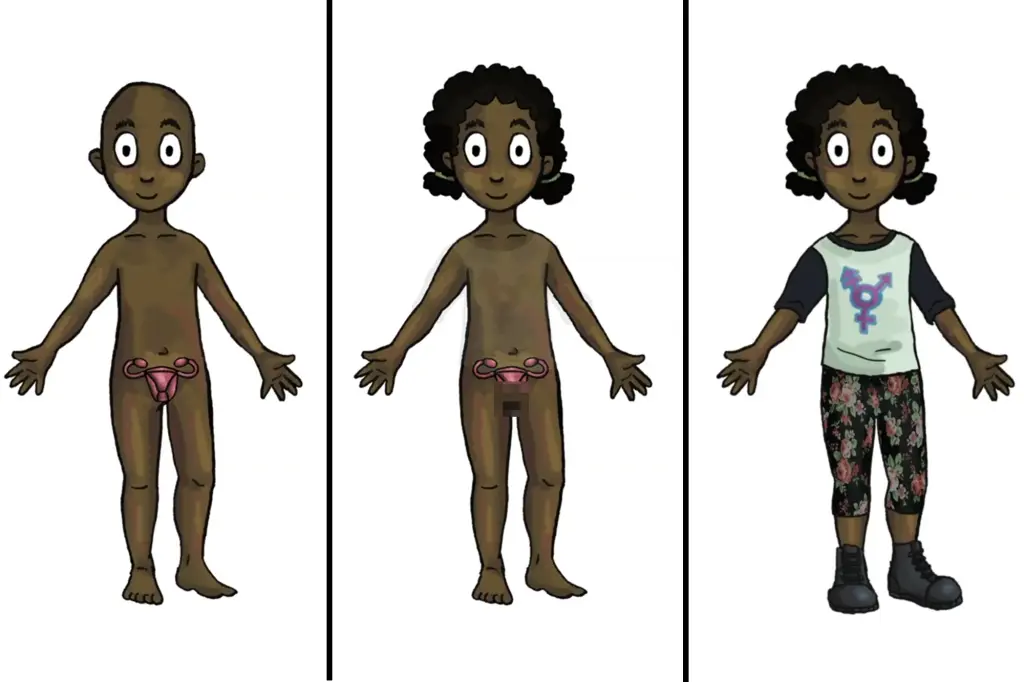
Children as young as four are to use dolls with interchangeable genitalia to learn about different possibilities relating to sex and identity.
The project was developed at the University of Minnesota and has received public support from Governor Tim Walz.
Transgender dolls with interchangeable genitalia are scheduled to be introduced into selected classrooms in Minnesota this autumn. The target group is children as young as four years old.
 University of Minnesota/New York Post.
The dolls, which have gender-neutral names such as Sam, Rory, Avery and Parker, feature interchangeable internal and external genitalia, as well as more than 100 different items of clothing, hairstyles and accessories.
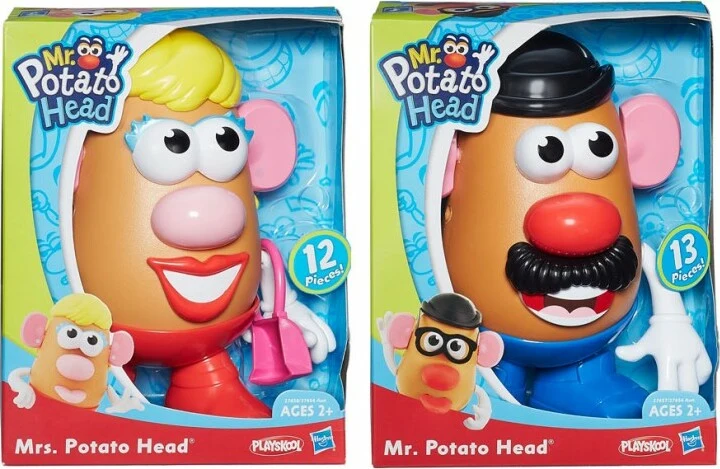
The New York Post describes the concept as a kind of transgender version of the classic Mr. and Mrs. Potato Head dolls. First introduced in 1952, these dolls have potato-shaped bodies with interchangeable facial features.
According to a therapist at the University of Minnesota Medical School, the aim of the transgender dolls is to help children learn about the different possibilities of who they can be.
Six years of research
Researchers spent six years developing the dolls at the university’s Institute for Sexual and Gender Health.
As part of the research, transgender and gender-questioning children and their parents were paid between $20 and $60 to participate in groups where they played with the dolls and discussed sex and the body.
Prototypes were presented at a conference in 2024. There, a doll named Sam was displayed with various detachable parts, including a removable penis placed beside the doll together with a dress and underwear.
The researchers behind the project believe the dolls can make it easier for children to talk about sex and identity.
 University of Minnesota / New York Post.
From research to commercial product
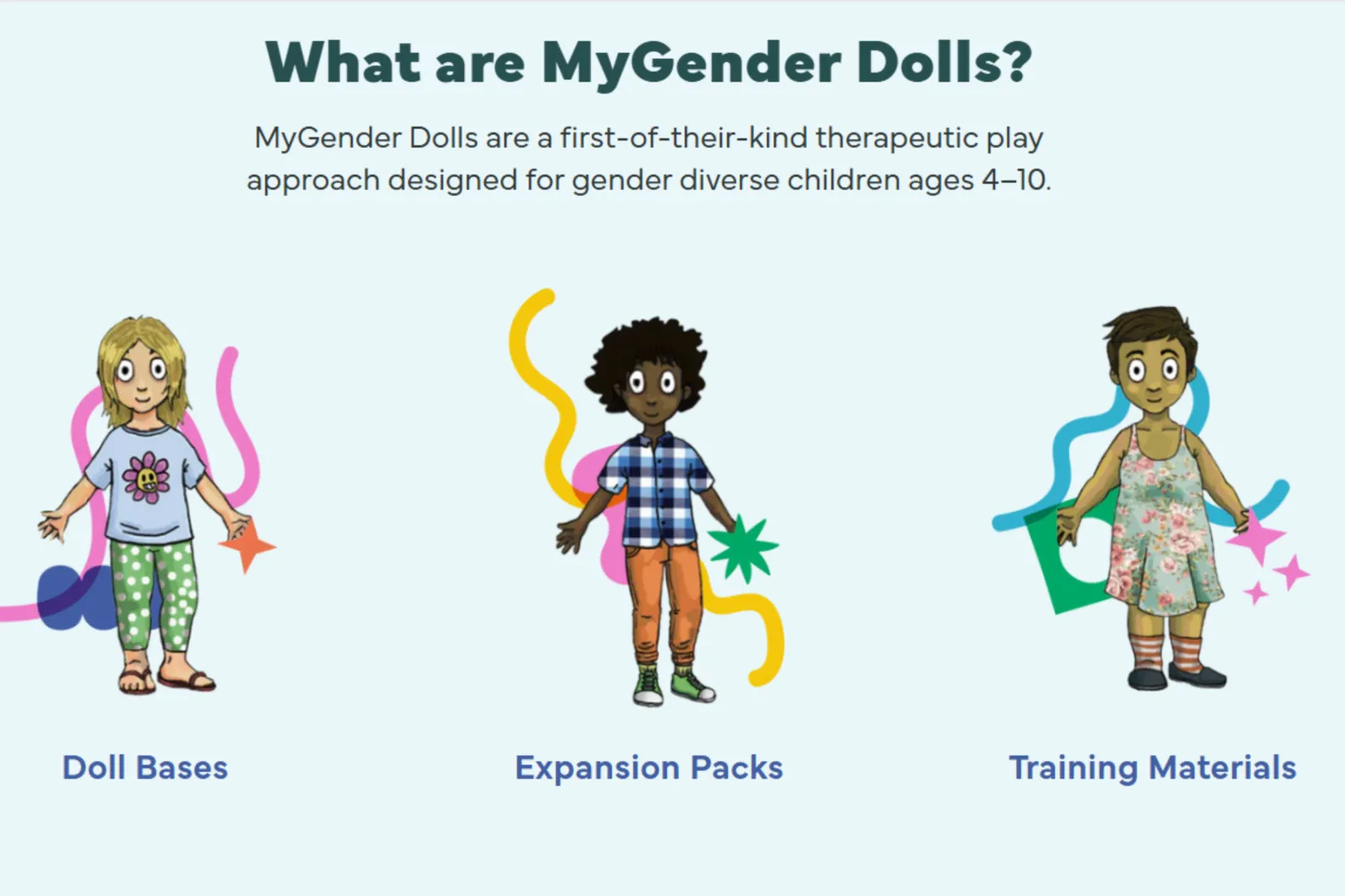
The dolls later evolved into a commercial company called MyGender Dolls, founded by two psychologists who are also professors at the university’s medical school.
The company’s website states that the dolls are intended for use by teachers, school counsellors, paediatricians and healthcare professionals.
It remains unclear whether parents will be able to purchase the dolls themselves, or whether they will primarily be distributed through schools and professionals, The Post writes.
Nor is it known whether parents will be able to exempt their children from this form of “therapeutic play”.
Millions in state funding
The University of Minnesota Medical School receives $15 million annually through a programme under Governor Tim Walz intended to strengthen medical research.
The university has not disclosed how much of that funding was allocated directly to research on MyGender Dolls.
Walz, who has supported a number of transgender-friendly initiatives in Minnesota, received the institute’s inaugural “Distinguished Sexual and Gender Health Champion Award” in 2023.
“Deeply inappropriate”
Critics argue that the project goes too far and that very young children should not be involved in advanced discussions about sex and sexuality through play.
Dr Quentin Van Meter, former president of the American College of Pediatricians, believes the dolls could be used by adults to influence children who are still very young.
– The youngest children still believe in the Easter Bunny and the Tooth Fairy. And then you give them paper dolls where they can change the clothes, hair and genitalia. That is far beyond their ability to distinguish fantasy from reality, he said.
He described the project as “deeply inappropriate”.
So inappropriate that Fox considered it necessary to censor the images.
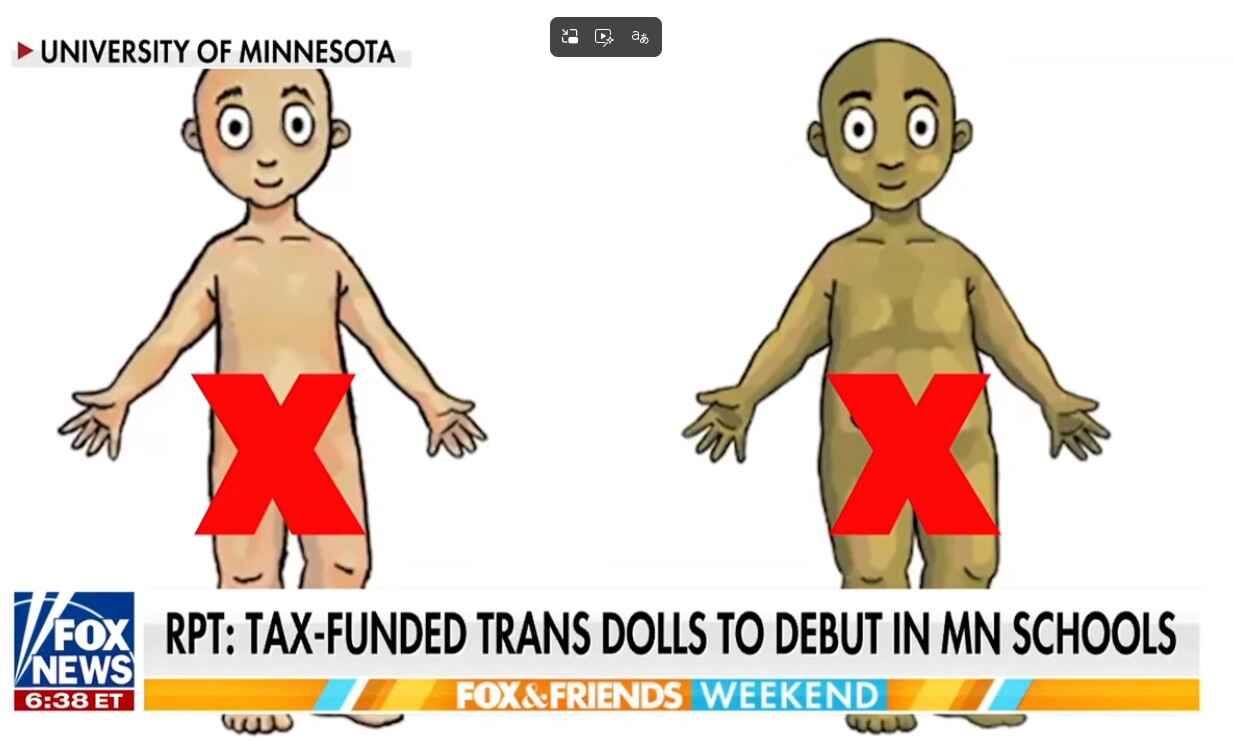
DOE investigates the case
Yesterday, the Washington Examiner reported that the Trump administration has requested an investigation into Minnesota’s MyGender Dolls programme.
It argues that the transgender dolls may have a negative impact on children and that parents were not informed about the programme.
The U.S. Department of Education (DOE) is now investigating the Minnesota Department of Education for allowing the programme without properly notifying parents or obtaining their consent.
The DOE stated that the programme must comply with the Protection of Pupil Rights Amendment (PPRA), which concerns federal laws protecting students’ privacy in relation to parents’ constitutional rights.
The law is designed to protect students’ privacy by requiring schools to notify parents and, in certain cases, obtain their consent.
The non-profit organisation Defending Education submitted a complaint against the State of Minnesota alleging that the programme violates federal laws protecting student privacy and parents’ constitutional rights, according to a press release sent to the Washington Examiner.
Secretary of Education Linda McMahon stated in the DOE press release that the Department of Education would enforce the law to its fullest extent, ensuring that parents and families retain full control over their children’s education.
While Governor Walz and the radical left continue to channel taxpayers’ money into perverse ideologies that can harm children, the Trump administration is fighting to protect children’s innocence and defend parents’ role as the first and most important decision-makers in their children’s education.
No four-year-old should be exposed to such material, particularly not without their parents’ knowledge or consent, McMahon said.
The dolls have attracted enormous attention, particularly from conservative commentators. Ed Galvatron Paris speaks for all of us:
Is it possible to return to the days when children played with Mr. and Mrs. Potato Head dolls?


