



To achieve the statutory target of ‘climate neutrality’ in Germany by 2045, investments totalling 6,000 billion euros are required, according to a study by the German state-owned investment and development bank KfW.
The figure is one thousand billion higher than a similar estimate made five years ago, and this is due partly to price rises and partly to an investment backlog of 65 billion euros per year, says KfWCEO Stefan Wintels to Die Welt.
According to Wintels, investments on this scale – which must largely be covered by private individuals and businesses – are economically feasible, writes the German newspaper’s economics editor Daniel Zwick.
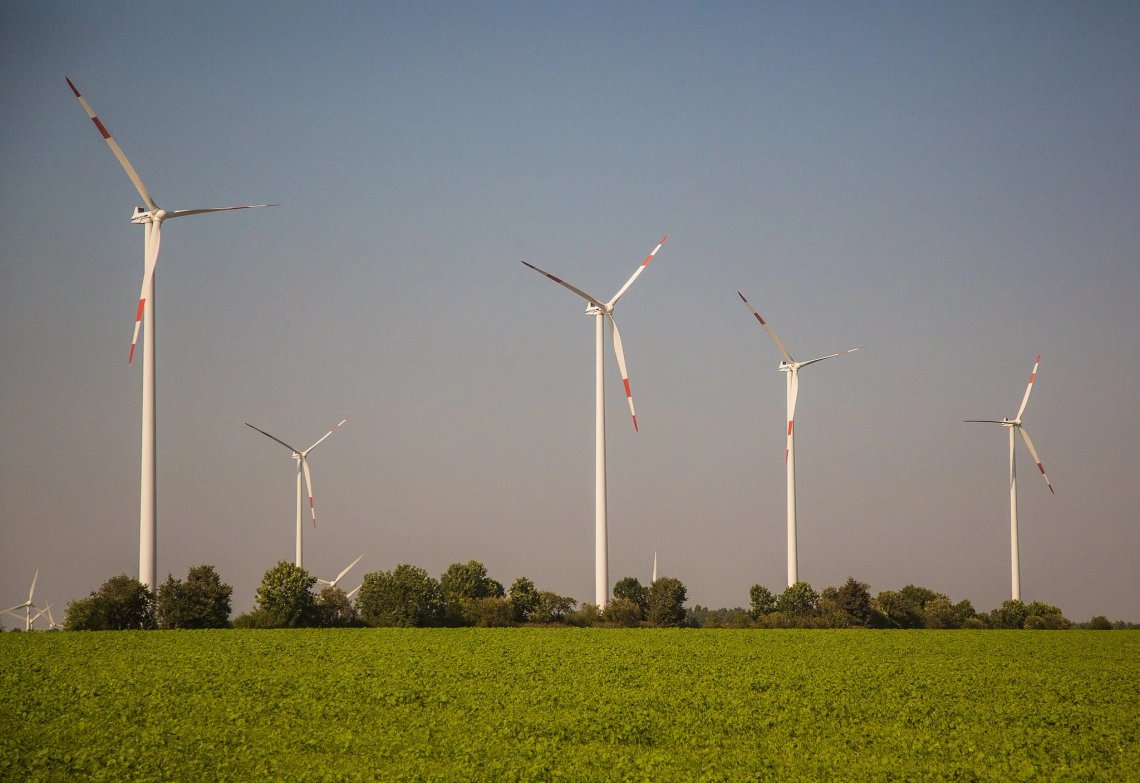
This involves new infrastructure such as wind turbines, electric cars, heat pumps and new electricity grids. Many of the estimated investments will have to be made in any case, as older technologies powered by fossil fuels need to be replaced.
According to KfW, which was founded in 1948 to manage the capital provided under the Marshall Plan, industry must transition to ‘climate neutrality’.
This requires particularly large investments in sectors such as the steel and cement industries. Other sectors achieve CO₂ reductions mainly through the use of climate-neutral electricity. Within the economy, the energy sector is therefore the area where companies must make the largest investments.
According to KfW, the total investments are distributed as follows: 22 per cent for buildings, 45 per cent for the transport sector, 25 per cent for the energy system and 8 per cent for industry in general.
Whether this will actually be implemented, however, is a political decision, says KfW CEO Wintels.
Germany’s gross domestic product (GDP) stands at approximately 4,500 billion euros. If this figure is taken as a basis for the years up to 2045, 6,000 billion euros will account for approximately 7 per cent of total GDP throughout this period. However, with ongoing deindustrialisation, it is by no means certain that the GDP level will remain as high.


