

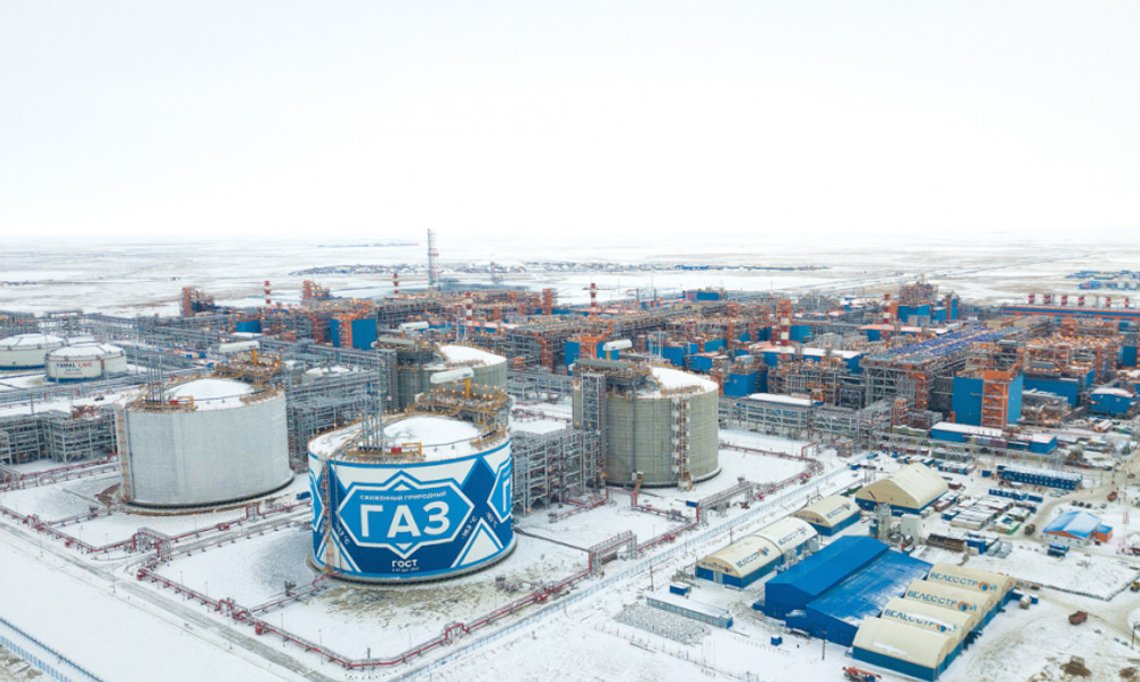


Seven weeks before the EU ban on imports of liquefied natural gas (LNG) from Russia comes into force at the turn of the year, several EU countries are continuing to import it at full capacity.
Data from the energy analytics firm Kpler, reviewed by the environmental organisation Urgewald, shows that EU ports received 12.89 million tonnes of LNG from the Russian Yamal project between January and October, an increase of 6.3 per cent compared with the same period in 2025, reports Euronews.
This means that 81 per cent of deliveries from Yamal LNG have gone to the EU, which is therefore the plant’s overwhelmingly dominant customer. The price of all this gas is estimated at 8.7 billion euros, equivalent to approximately 92 billion Norwegian kroner.
With Brussels preparing to ban Russian LNG imports from January 1, 2027, European buyers continue to provide Moscow with a lucrative market, despite repeated political commitments to end the bloc’s dependence on Russian energy following the invasion of Ukraine.
EU countries are paying Russia more for the gas as the date of the ban approaches.
By far the largest importer is France, which receives 70 per cent of deliveries to the EU. Spain, the Netherlands, Portugal and Belgium also receive significant quantities.
The question now is whether the ban will actually take effect from 1 January.
Questions remain over whether EU countries will enforce the ban without exemptions or last-minute concessions, particularly as winter approaches and concerns over energy security persist.
If the ban comes into force, it raises a problem for both the EU and Russia:
What will replace Russian gas? Perhaps more gas from the US, Norway and Algeria. And where can Russia sell its gas instead? Presumably to Asia. Experience since the start of the war in Ukraine has shown that Russian energy products also find their way to Europe via roundabout routes.


