

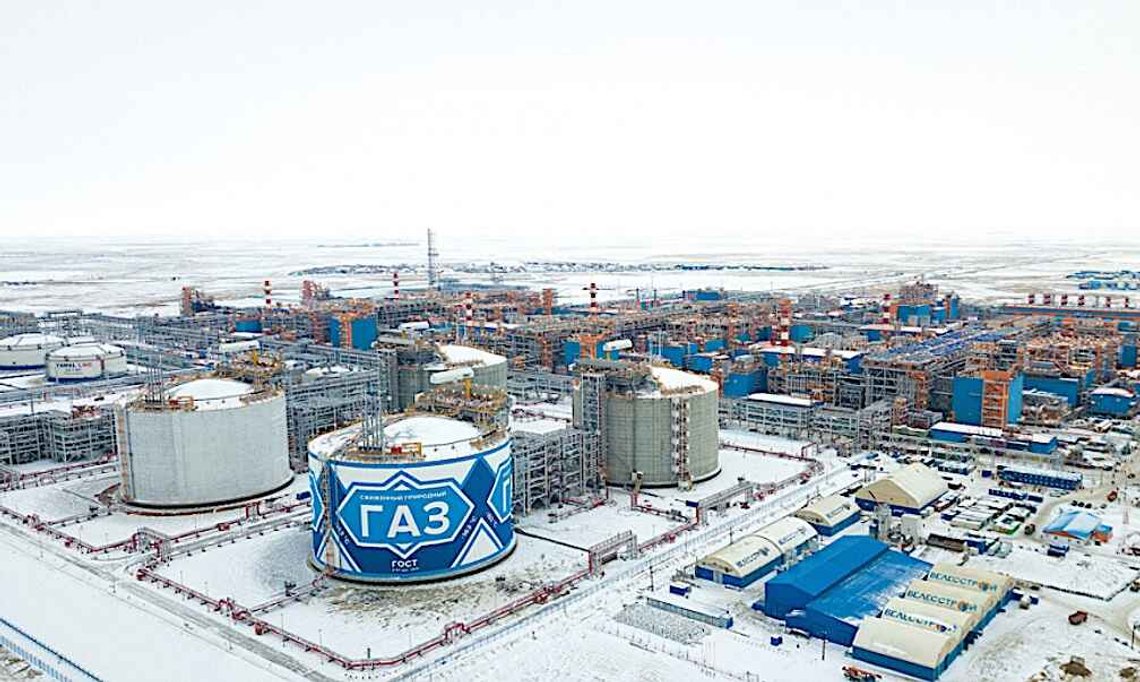


In the first half of 2026, European countries imported more liquefied natural gas (LNG) than ever before from Yamal LNG, the Russian energy company Novatek’s facility on the Yamal Peninsula in north-western Siberia, the largest such facility in Russia.
During this period, Europe purchased 9.89 million tonnes of LNG, almost everything the plant produced during the first six months of the year, Financial Times reports.
It is primarily France, Spain, Belgium and the Netherlands that purchase large volumes from Yamal LNG:
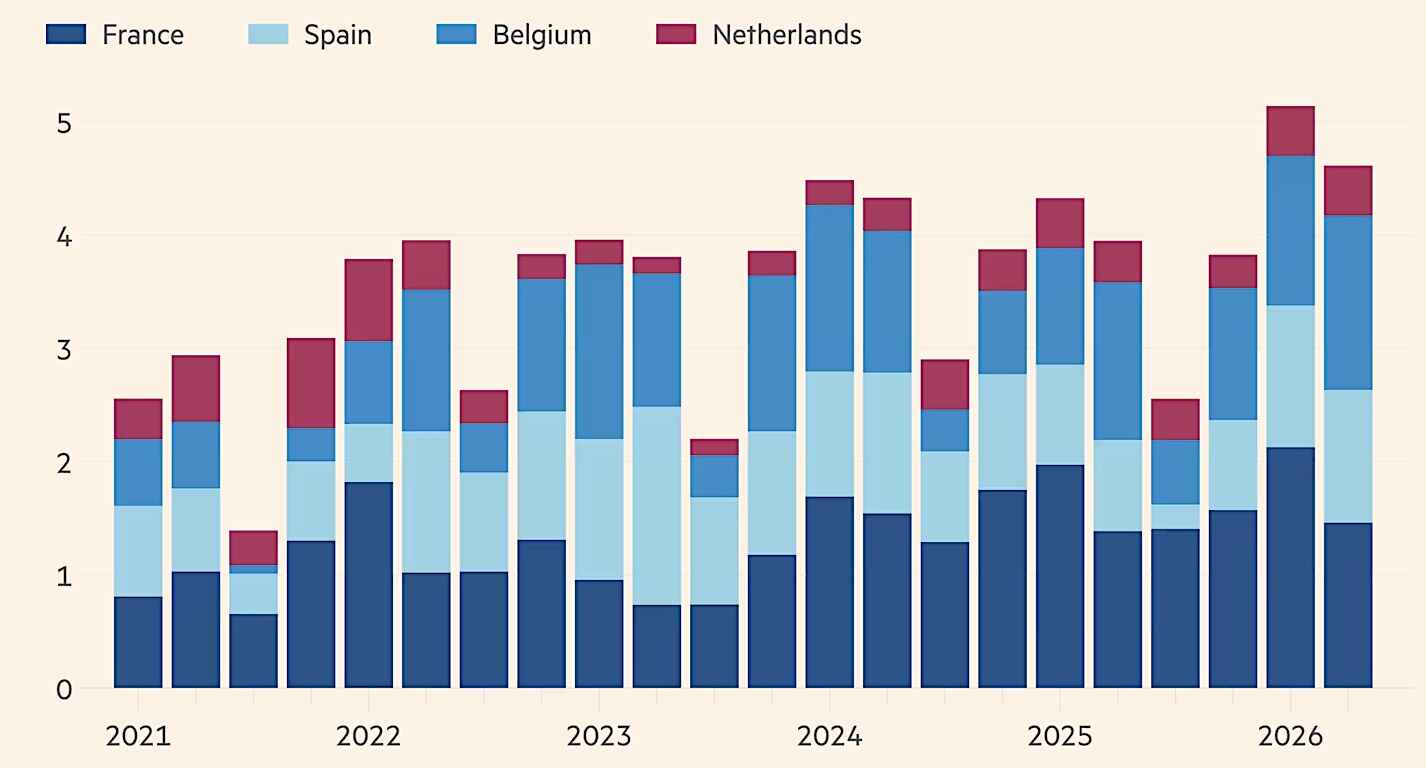 Imports of LNG into Europe from Yamal LNG, measured in millions of tonnes. Source: Kpler. Graphic: Financial Times.
This means that Europe is still financing Russia, despite having sided with Ukraine in the ongoing war.
Europe may have paid as much as €6 billion for these deliveries, according to estimates by Urgewald, a non-governmental organisation.
Sebastian Rötters, a sanctions campaigner at Urgewald, called the figures “shocking”, particularly because they “are not happening in a vacuum”, but coincide with the period during which Russia has intensified its attacks on Ukrainian energy infrastructure and civilian targets.
In short, the four European countries are importing as much Russian gas as they can before it is banned:
From 1 January 2027, an EU ban on imports of Russian LNG under long-term contracts will enter into force. This will force Russia to seek alternative routes. Pipeline gas will be banned later the same year.
Europe’s willingness to receive Yamal cargoes has been crucial to the project, which is located in the Russian Arctic and depends on a small fleet of specialised Arc7 ice-class tankers.
The volume the facility can ship depends to a large extent on such vessels being able to turn around quickly in European ports, whereas the alternative of using the Northern Sea Route to reach Asia is risky and takes much longer.
LNG exports to Asia have declined during the same period in which Europe has imported more, the Financial Times reports.
The situation on the energy market is not without paradoxes. Ukraine is attacking Russian energy transport in the Black Sea and the Sea of Azov, but is leaving LNG shipments from Siberia to Europe untouched.


