

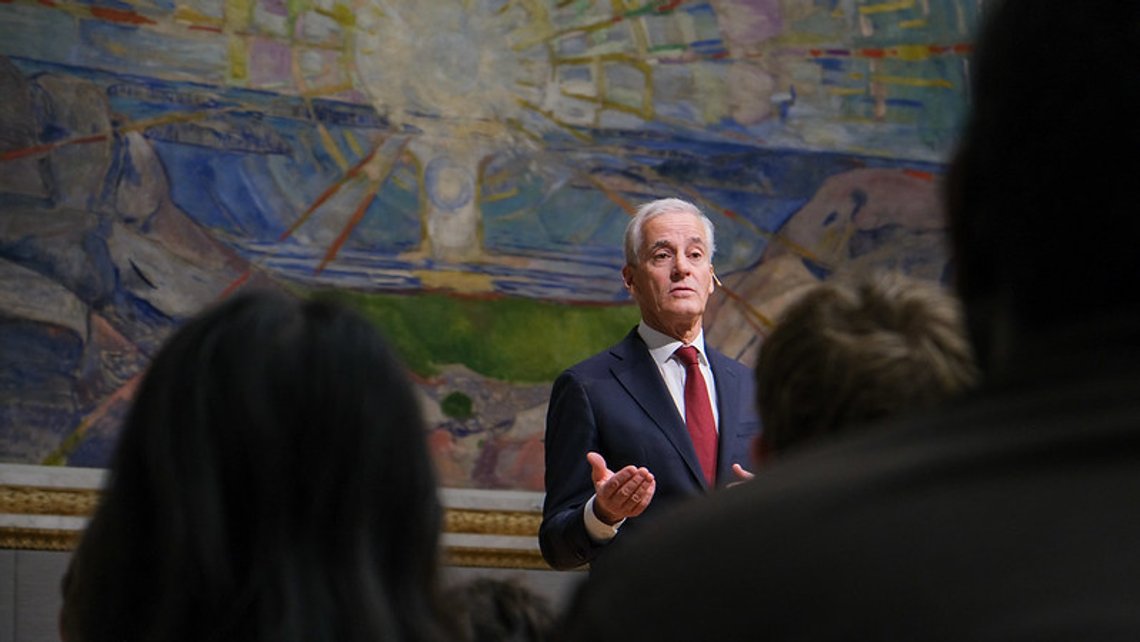


Jonas Gahr Støre travelled to the climate summit in Turkey with his wallet open.
Norway, the UK and Canada are to provide 10 billion dollars for climate action in developing countries by 2030, with Norway’s share alone amounting to 4.2 billion dollars. That is around 40 billion kroner, reports Dagsavisen.
“I am pleased to announce that the climate finance institutions in Canada, the UK and Norway are launching a partnership called ‘10 by 30’,” said the Prime Minister in his speech in Antalya on Wednesday.
The funds will be channelled through the Climate Investment Fund to Norfund, the government’s investment fund for developing countries, and used for renewable energy, electricity grids, energy storage and the decarbonisation of industry. The sum includes private capital, but the proportion coming from taxpayers’ money has not been specified.
This is far from the first pledge the Prime Minister has made regarding funding for climate action. At last year’s climate summit in Brazil, Støre pledged up to 3 billion dollars – around 30 billion kroner – in loans over ten years to a new fund for tropical rainforests.
What could 40 billion kroner have achieved here at home?
A year in a care home costs local authorities an average of 1.9 million kroner per resident. 40 billion would therefore cover a full year’s care for over 20,000 care home residents.
Next year, the government will spend four billion kroner on helping local authorities to build and renovate around 1,750 round-the-clock care places. The climate pledge from Antalya is ten times larger.
A nurse earned an average of around 699,000 kroner last year. With 40 billion, one could pay the salaries of over 57,000 nurses for a whole year.
And whilst Støre promises money for electricity grids in developing countries, patients here at home wait an average of 171 days for scheduled hospital treatment. The government’s own target is 60 days.
In October, however, the government set a new target for climate funding. Norway is to spend 30 billion kroner a year on climate finance by 2035, more than double the previous target of 14 billion. Not all of this will be allocated via the national budget, the government emphasises, but next year it will increase the allocation to Norfund by 2.4 billion kroner, to 5.6 billion. That is an increase of 75 per cent, and the funds are development aid.
A little curiosity to finish with: last autumn, this same government wanted to change the free ferry scheme, just a few weeks after Støre had promised free ferries during the election campaign.


