
Category
Editorials
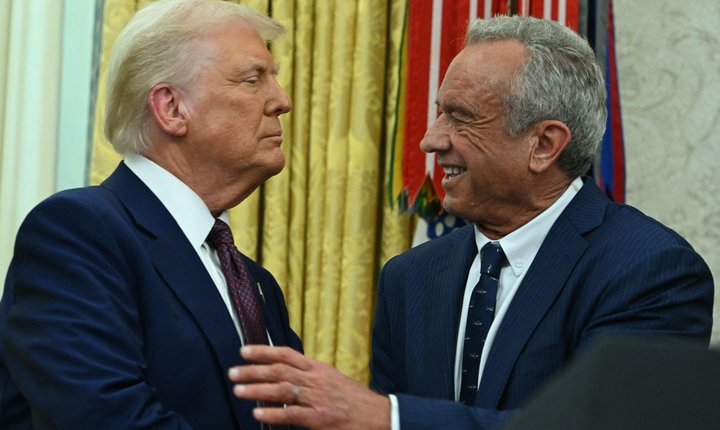
The old image of conservatism is being replaced by an entirely different aesthetic: discipline, strength and bodily self-control. Trump himself does not drink alcohol,…
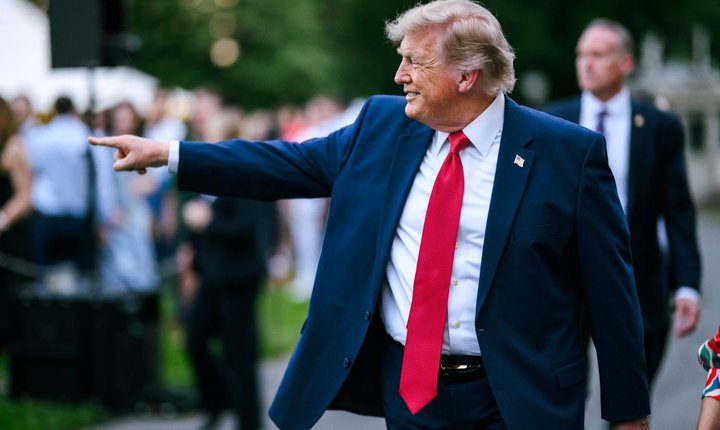
The mainstream media have turned alternative media into a threat, but common sense tells us that it is they themselves who live in an…

Even Vinsjevik Ervik was found dead and completely naked on a motorway near Puerto Banús in 2021. He was last seen just 70 metres…
The claim that Labour, together with Conservative Party globalists, has betrayed Norway in favour of globalism and other countries is not ‘far-right’, but a…
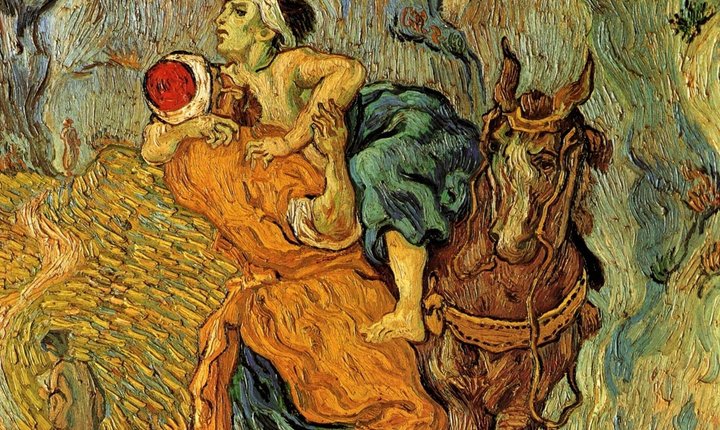
The culture of goodness judges policies by intentions rather than consequences. It rewards moral self-image while shifting costs onto others, suppressing criticism through moral…

We are getting steadily less welfare in return for the services we believe our taxes are paying for. Elderly care, healthcare, policing, schools, infrastructure—everything…
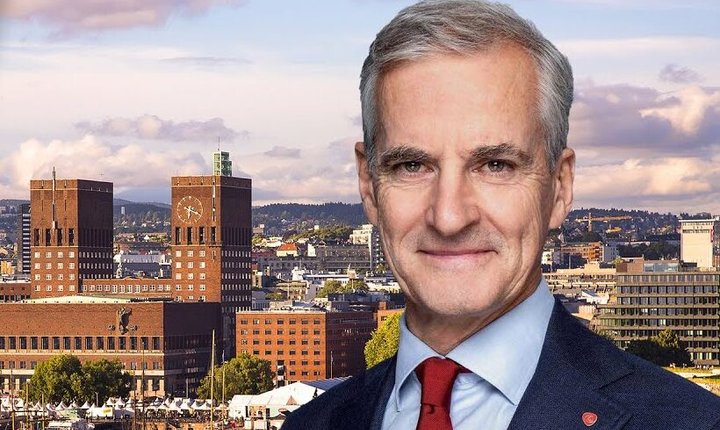
The Labour Party (Ap) has long been in government, built institutions and staffed much of public Norway. This historical power is treated as proof…
The moment the accused begins to argue that he does not belong to the “far right”, he has already conceded the accuser’s right to…
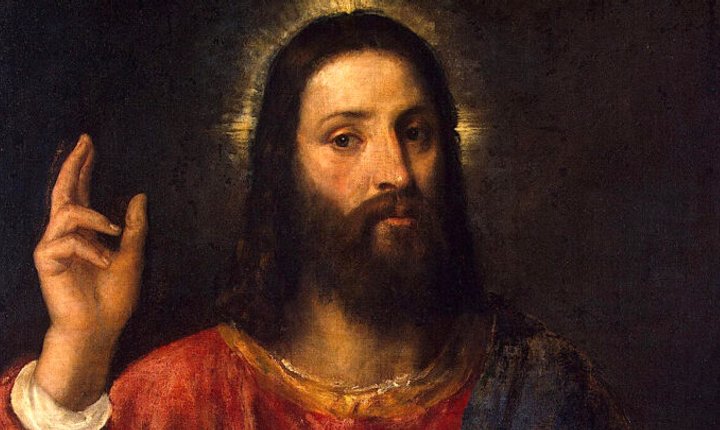
Truth is one, because God is the source of truth. Therefore, there can never be any real contradiction between true faith and right reason.…
“Everyone” is expected to see Christopher Nolan’s films. But “The Odyssey” is no “Oppenheimer”. Nolan does not know his own limitations. He casts a…

Artificial intelligence (AI) reinforces a dangerous trend in the West towards moralistic consensus, in which dissenting voices are cancelled on important issues. Yet when…
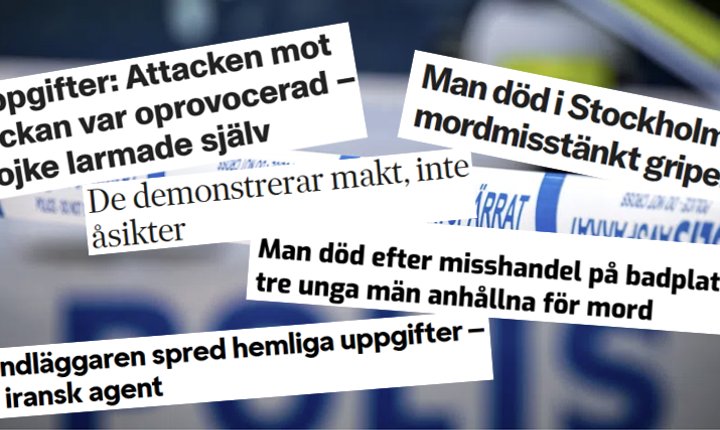
It is a strange time. Not because there is a lack of topics to write about, but because there have become so many that…

One of the police’s witnesses spoke with Nikoline Piwoni Høie (17) and another girl a short distance from the Funky Buddha nightclub. It was…
Outwardly, the EEA Agreement was presented as a harmless gateway to the market, characterised by technical standards and the dismantling of Norway’s state telecom…
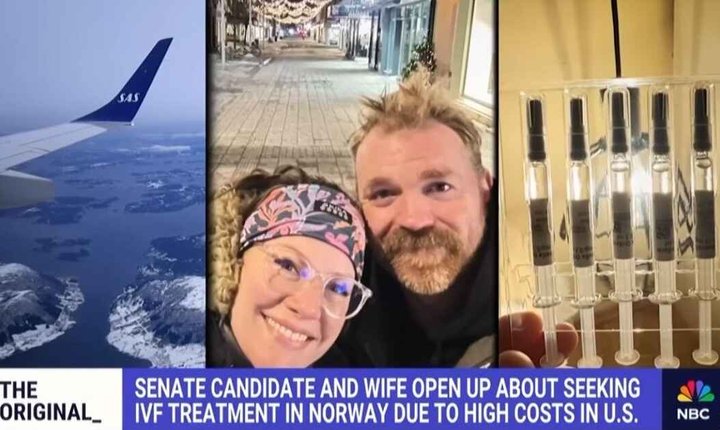
Norwegian media have gone to great lengths to protect the scandal-plagued Democratic candidate from Maine. At the same time, they manufactured a fake scandal…

In the summer of 1982, a fifteen-year-old boy stood on a ladder outside his grandmother’s house. A paint tin hung beside him, a scraper…