

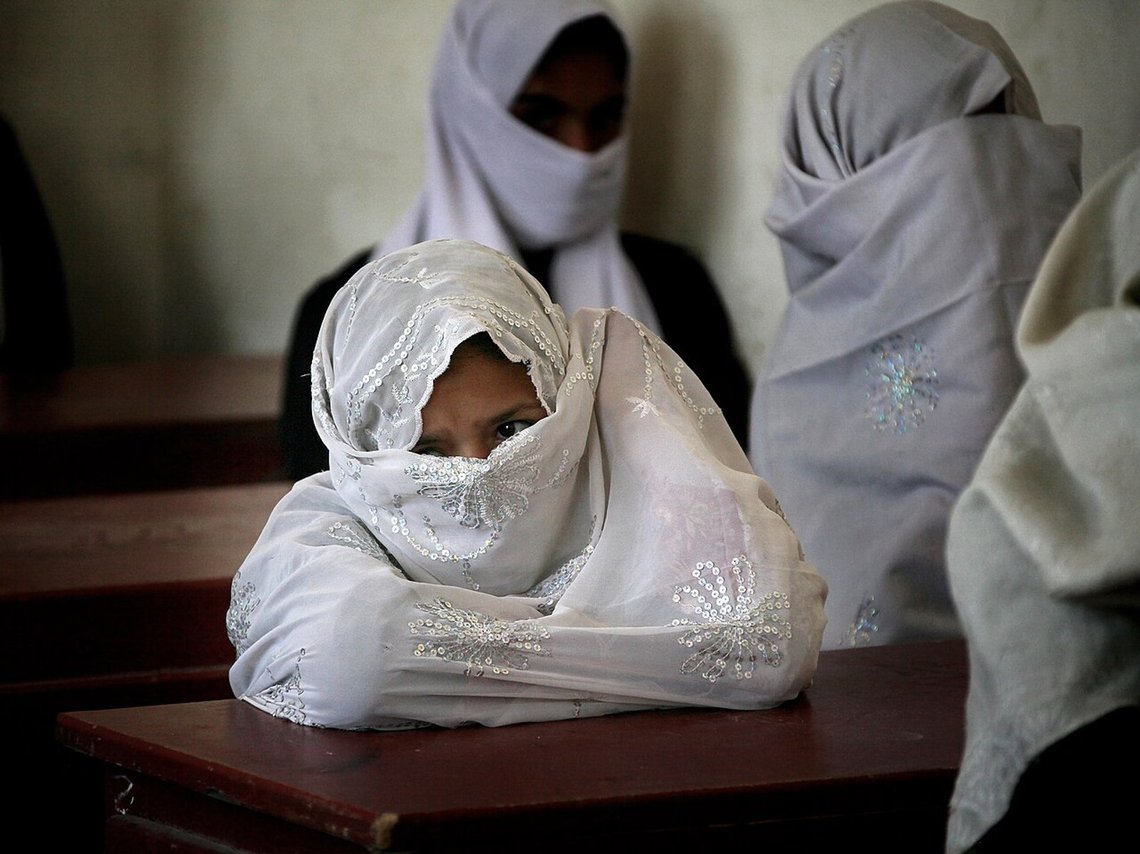


Child marriage is widespread in several Muslim countries. The Taliban have now abolished the minimum age for girls in Afghanistan.
The decree was announced on 14 May, according to UN Women. It sets no minimum age for marriage.
Fathers and grandfathers can marry off minors, according to Amnesty. The girl can ask the court to annul the marriage, but only after she has reached puberty. If a girl remains a virgin after puberty, this is considered consent.
The UN Committee on the Rights of the Child criticised the decree in early June. It believes that, in practice, it legitimises child marriage and is calling for it to be repealed.
Even before the decree, the figure was already high. 28.7 per cent of women aged between 20 and 24 were married before they turned 18, according to UNICEF’s 2022–23 survey. In some parts of the country, this applies to one in two girls, writes UNICEF.
The Guardian has, in a report from Badghis province in north-western Afghanistan, met families who marry off their daughters to pay off debts and secure food. In one village, two sisters aged two and five have been promised in marriage. The bride price is paid in instalments. Once everything has been paid, the in-laws can collect the girl.
Darellah (15) is pregnant. Her husband is 30.
“I’m still a child,” she says.
Afghanistan is not alone. Every year, around 12 million girls get married before they turn 18, according to the United Nations Population Fund UNFPA. UNICEF measures the proportion of women aged between 20 and 24 who were married as children. The figures vary from country to country.
In Niger, the proportion was 76 per cent. These are the most recent figures available from UNICEF, and they date from 2012.
In Bangladesh, the figure is 47 per cent. It stood at 51 per cent in 2019, according to a new survey from last November. In Yemen, the figure is 30 per cent.
In September, the UN General Assembly resolved to establish an International Day Against Child Marriage. The date was set for 27 November.


