

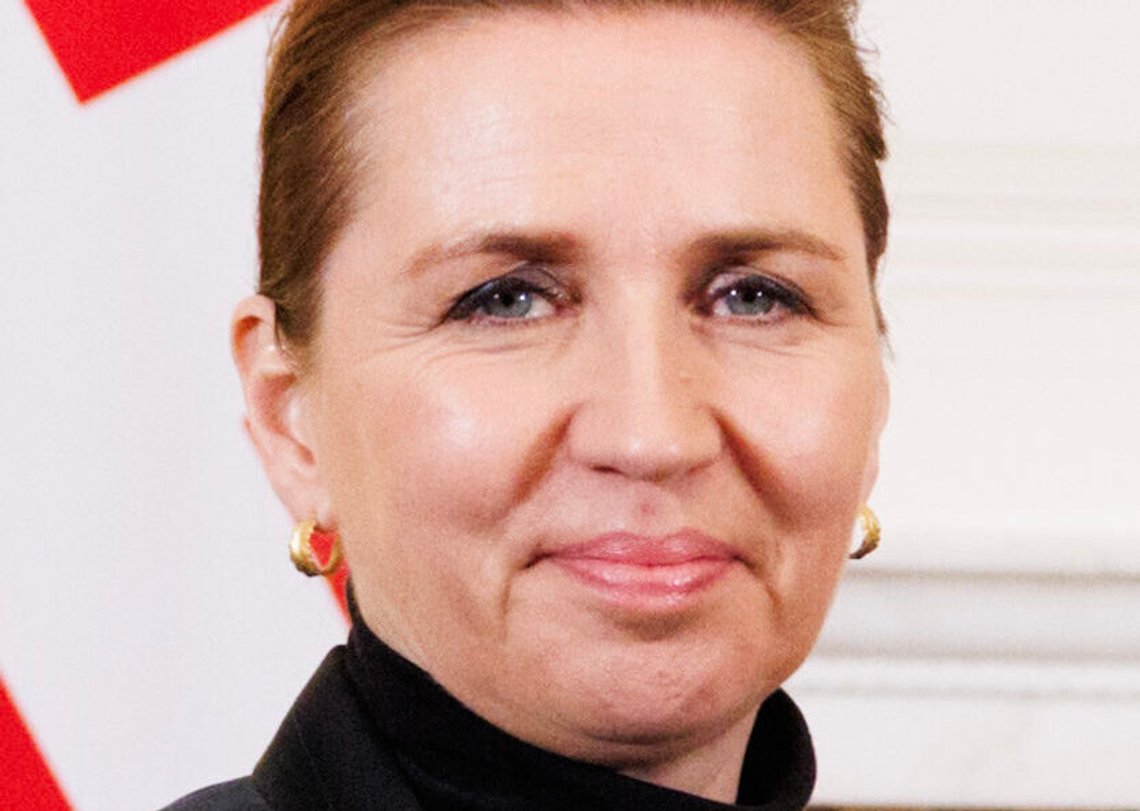


Denmark’s Prime Minister Mette Frederiksen has strongly criticised the Council of Europe. She believes they lack an understanding of the immigration problems in Europe. Sweden and France are among the countries she cites as cautionary examples.
– “Just look at countries like France or Sweden. These are countries that have been partly ruined because of foreigners,” says Frederiksen in an interview with Berlingske on Thursday 8 October.
The statement came when the Prime Minister was confronted with criticism from leading representatives of the Council of Europe. The dispute centres on Denmark’s desire to make it easier to deport foreign criminals.
The Council of Europe’s Commissioner for Human Rights, Michael O’Flaherty, has previously criticised parts of the Danish immigration debate for lacking a sufficient factual basis. He has also warned against linking immigration and crime without solid evidence.
Frederiksen reacted strongly to the criticism.
– Too many people have come to Denmark. Too many people have come to Europe who do not understand how to behave and who commit crimes,” said the Prime Minister.
The comments have also been shared on X, such as here:
The full clip – remember to follow @EmilieJger2
https://t.co/Zk59AcrSmV— Anders Kolling (@AndersKolling) 13 October 2026
Dispute over human rights
Underlying the conflict is the so-called Chișinău Declaration, which the Council of Europe’s 46 member states adopted in May. It stipulates that states have the right to control their own borders and protect their populations. At the same time, the Convention on Human Rights and the independence of the Court are upheld.
The declaration opens the way for a new debate on how human rights should be interpreted in cases concerning migration and deportation.
O’Flaherty has warned that such changes could undermine the protection of fundamental rights. Frederiksen, for her part, believes that European authorities must be given greater scope to deal with foreign criminals.
Denmark has already tightened its policies
Frederiksen has not shied away from the immigration debate since she became Prime Minister in 2019. The government has tightened asylum policy and worked to make it easier to deport criminal foreign nationals. Denmark has also been a driving force behind reception and return centres outside the EU. In the Social Democrats’ own review of immigration policy from 2026, the party states that four out of five proposals from the major immigration policy initiative in 2018 have been fully or partially implemented.
However, the tightening of the policy has not eliminated all the problems. The Danish authorities continue to highlight gang crime, parallel societies and negative social control. In her speech at the opening of the Folketing on 6 October, she did not mince her words:
– Too many people have come to Denmark and Europe who are unable to behave properly and who commit crimes. We will no longer tolerate this, the Prime Minister stated.
Frederiksen’s remarks show that criticism of immigration policy is no longer confined to the right wing. Social-democratic leaders, too, acknowledge problems linked to immigration and integration. That Denmark’s Prime Minister describes Sweden and France as ‘partly ruined’ is nonetheless remarkable. The question is to what extent European countries can actually change their policies within the current human rights framework.


