



During the wage negotiations, Jens Stoltenberg said that the figures showed that people’s purchasing power had increased. However, their actual experience may differ. Now, four in ten households, as measured by the so-called Poverty Barometer, say they are finding it harder to make ends meet.
The Salvation Army is responsible for the survey, in collaboration with Opinion.
Compared with the same period last year, this represents an increase of 9 per cent.
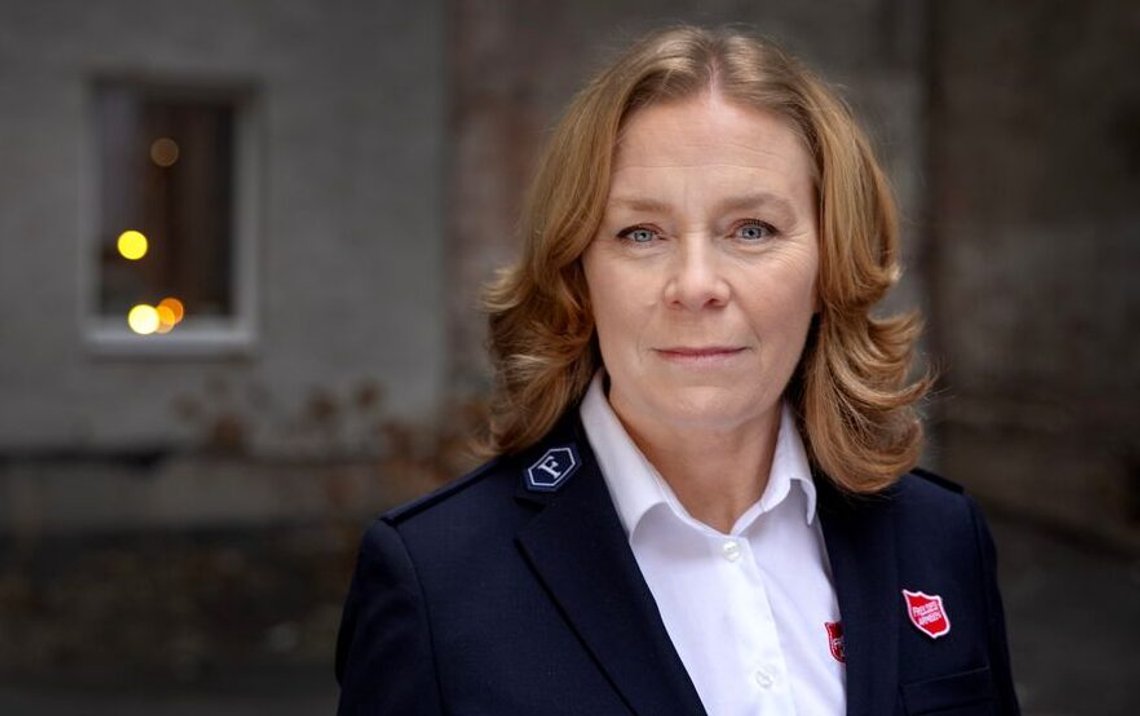
– This is both a disappointing and worrying development. We know that the vast majority of people in Norway are in a secure financial position, despite high interest rates, electricity bills and food costs. But it is clear that, unfortunately, this does not apply to everyone,” says Elin Herikstad, Assistant Head of Social Services at the Salvation Army, in a press release.
One in three households (33 per cent) expects their financial situation to deteriorate over the next six months as well. This is 10 percentage points higher than a year ago.
64 per cent of those whose financial situation has deteriorated over the last six months expect their financial situation to worsen further in the future.
It is incredible that Assistant Social Services Manager Herikstad says that “the vast majority are in a secure financial position”. A large number are living on the edge; in other words, they cannot cope with an unexpected bill, such as a dentist’s bill, a car repair bill or a demand for payment from public authorities, of which there are now many.
– The previous quarter’s Poverty Barometer showed faint signs of improvement. We had hoped this trend would continue, but unfortunately we are now seeing the opposite, says Herikstad.
The Poverty Barometer also shows that one in five workers is often worried about losing their job. Among those in a challenging financial situation, the proportion is 36 per cent.
The Poverty Barometer is surveyed four times a year by the Salvation Army in collaboration with Opinion.
The responses indicate growing insecurity; it is therefore strange that the Salvation Army’s deputy social services manager chooses to use the word ‘security’ to describe the majority’s experience.


