

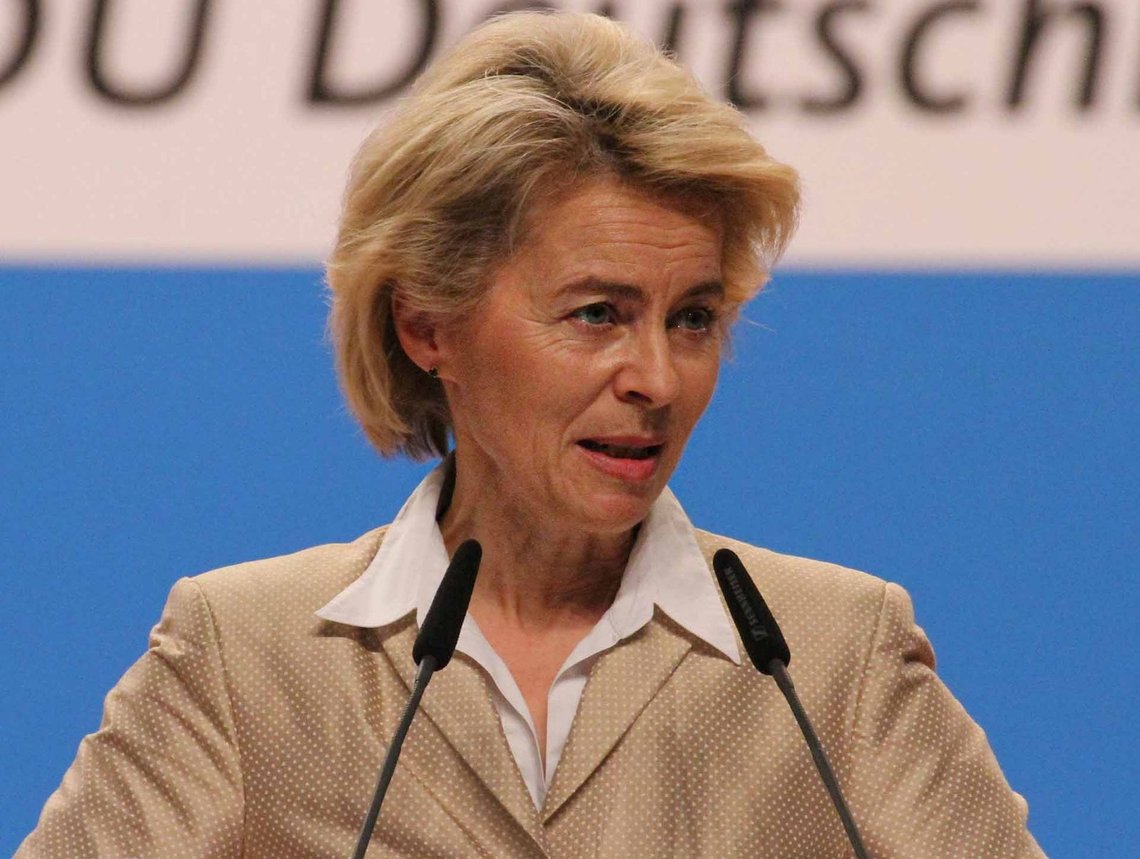


The European Commission has decided to withdraw its proposal to include ‘hate speech’ and hate crime on the list of serious EU offences. The decision follows concerns amongst member states that broad definitions of ‘hate speech’ could be misused to curtail freedom of expression.
The idea was put forward by Ursula von der Leyen in her 2020 State of the Union address, and the formal proposal was presented in December 2021. The aim was to expand the list of ‘EU offences’ under Article 83(1) of the Treaty on the Functioning of the European Union (TFEU). This list includes, amongst other things, terrorism, human trafficking, drug trafficking and money laundering.
The European Commission with an ace up its sleeve
Such an extension would have enabled the EU to establish common definitions and minimum penalties in this area. Such an extension requires, in addition to the approval of the European Parliament, unanimity amongst all 27 Member States. This requirement was never met. Several countries expressed concern that the proposal was too intrusive in terms of freedom of expression.
In the annex to the Commission’s work programme for 2027, adopted on 4 November, the proposal is listed amongst the matters the Commission intends to withdraw within six months. The Commission notes that work in the Council has been suspended.
The Commission is considering an alternative in the form of a directive to combat ‘incitement to violence and hatred’ online. Such a directive can be adopted by a qualified majority. Freedom of expression organisations, including Alliance Defending Freedom International, have welcomed the withdrawal, but have warned against the alternative proposal. They believe it could be used to restrict lawful speech under the guise of combating hate.
— ADF International (@ADFIntl) 10 November 2026
The withdrawal does not alter the EU’s existing framework from 2008, which requires Member States to criminalise certain forms of racist and xenophobic hate speech. Most countries also have their own national rules.


