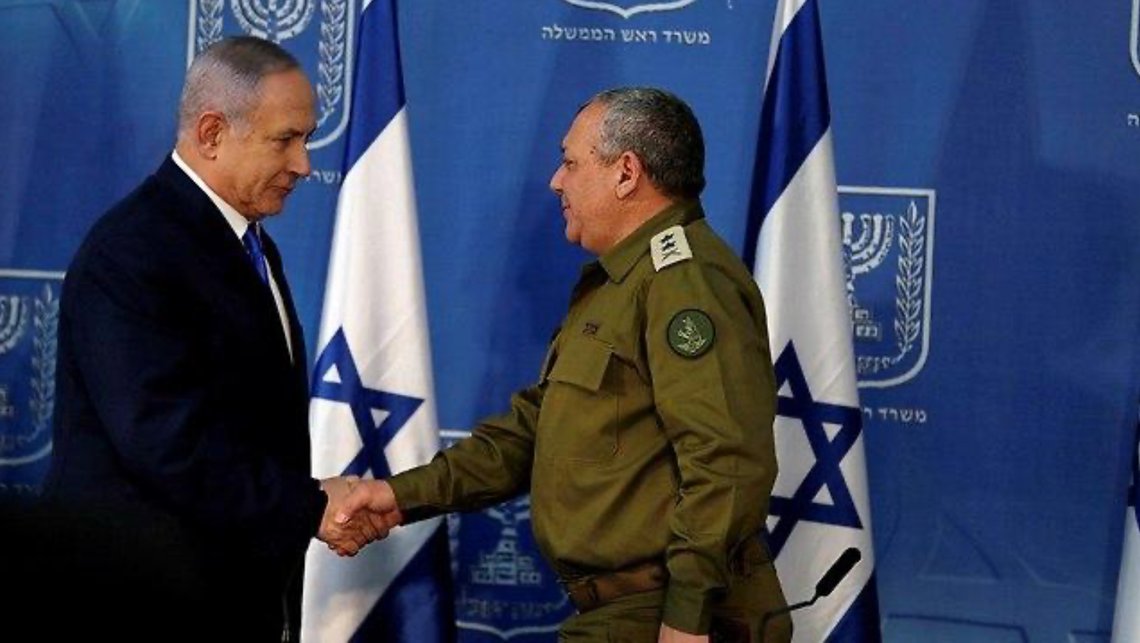


The election in Israel has captured the public’s attention, and voter turnout is at a record high. Initial polls suggest a neck-and-neck race.
Whilst the overall turnout across the country stood at 74.3 per cent at 8.00 pm, some towns have recorded far higher figures, according to data from the Central Elections Committee.
Topping the list is the coastal town of Bat Hen in the central region, where as many as 97.9 per cent of eligible voters have cast their ballots. A total of 423 votes were cast in Bat Hen, reports The Times of Israel in its live blog.
Among the larger towns, Rosh Haayin stands out with a turnout of 79 per cent, the Bedouin town of Rahat with 79.8 per cent and Modiin Illit with 77.3 per cent. In the capital, Tel Aviv, voter turnout stood at 63.6 per cent.
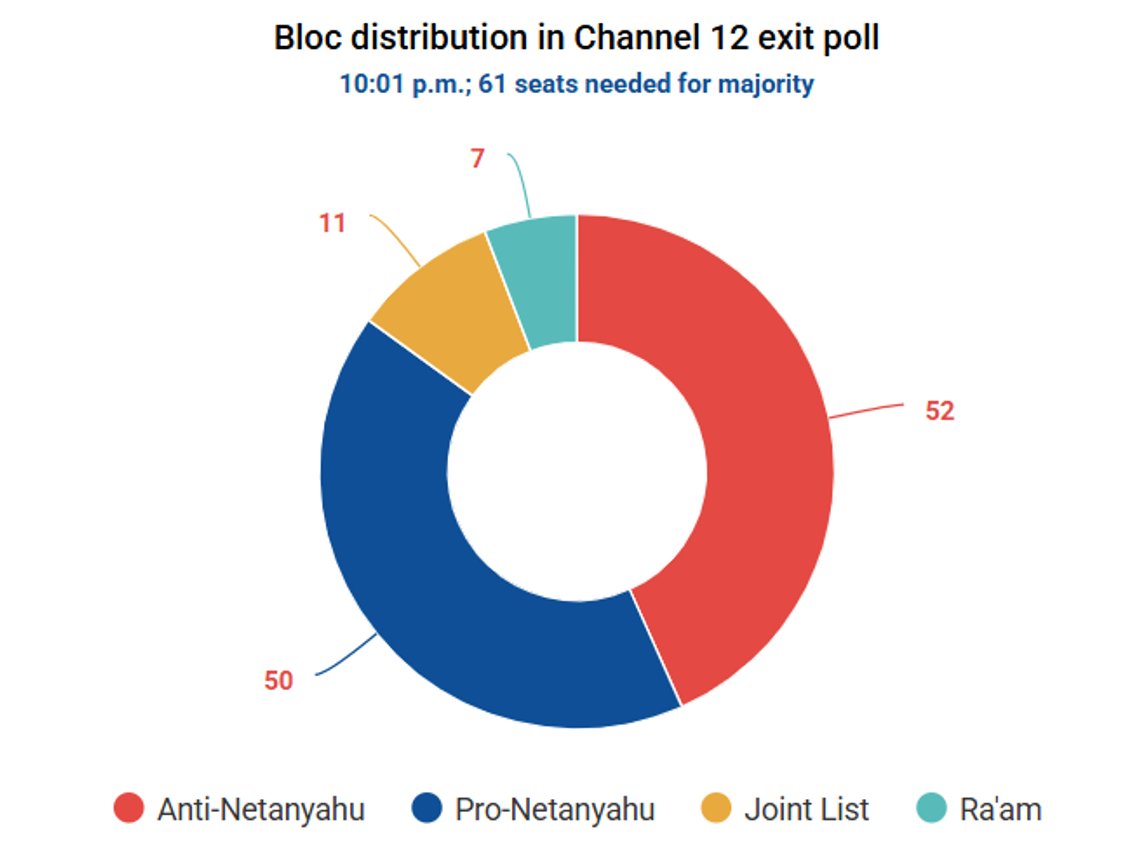
The first exit poll from Channel 12 shows that Prime Minister Benjamin Netanyahu’s Likud party has won the most votes in Tuesday’s election, but neither of Israel’s two political camps has a clear path to forming a government.
The bloc of Jewish-led parties opposed to Netanyahu constitutes the largest bloc and is expected to win a total of 52 seats, compared with 50 seats for the parties supporting the Prime Minister. Neither is anywhere near a majority of 61 seats in the Knesset, which has 120 seats.
Arab-led parties, which also oppose Netanyahu, are expected to win a total of 18 seats, a record high for this group.
But just a few minutes later, a new poll shows that the challenger Gadi Eisenkot and his supporting parties are in the lead, so the election appears to have been very close, as expected.
“The election-day polls show the Israelis’ complete lack of confidence in Netanyahu,” says Eisenkot.
Netanyahu’s party, however, is set to be the largest in the election with 25 seats in the Knesset, compared to Eisenkot’s Yashar with 23. This is a clear blow to the pollsters, who have once again demonstrated their unreliability in yet another election.
The Arab-led parties are also opposed to giving Netanyahu another term. This means there is a clear majority of 70 seats in the Knesset opposed to the Prime Minister. However, some Jewish-led opposition parties have ruled out forming a coalition with Arab parties, so if they stick to that pledge, the path to a coalition may be blocked.
Some have already speculated that a solution might be a coalition between Netanyahu and his challenger Eisenkot. Neither side is likely to be keen on such a collaboration, but this may end up being the only solution.
Document is following the results as the evening progresses; this article will be updated.