

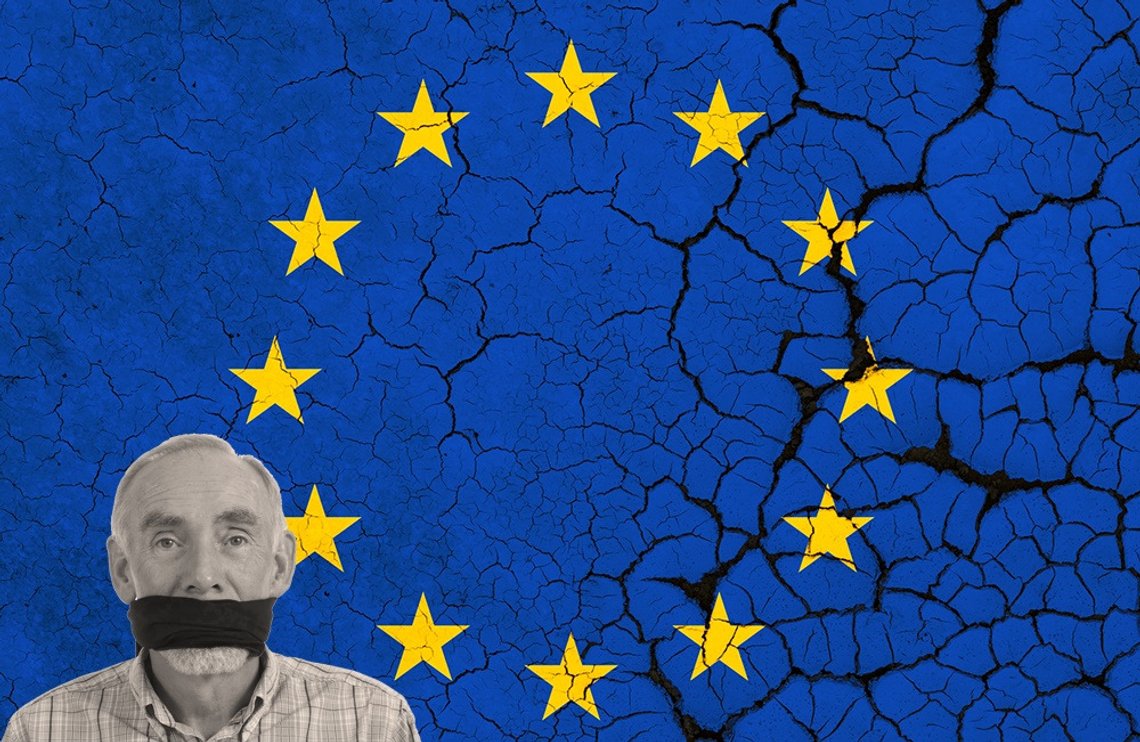
The EU itself says that it is facing an energy crisis and is asking member states to limit consumption. The EU blames the Iran war, but has itself taken several steps that are contributing to the crisis, such as phasing out all Russian gas from 2027. Norway already supplies 30 per cent, but cannot replace the entire shortfall.
On top of all this, there are rumours that the EU will extend the moratorium on oil and gas exploration and production in the High North, something at which the Norwegian government shakes its head.
The EU has refused to help the United States with transport through the Strait of Hormuz and has thereby lost goodwill in Washington. The Trump administration now sees no reason not to prioritise its own needs, so the Americans are reducing diesel exports. Trump wants to win the midterm elections, and the price at the pump is important. The United States is the world’s largest exporter of diesel.
But the EU has not taken that into account in its policies.
The United States thinks globally. It is in the process of concluding a major agreement to buy potash from Belarus, which is much cheaper than potash from Canada. The United States has already secured transit rights from Lithuania and Poland.
At the same time, plans are under way to build a large American base in Poland, with 10,000 troops. That gives Washington leverage.
The EU has no such strategy, but contents itself with a handful of decisions pointing in all directions. Even Terje Aasland wonders what they are doing.
Instead, the EU prioritises the construction of facilities for transporting CO2 and pumping it into reservoirs beneath the seabed, just as Norway does with Northern Lights. The first facility opened in Esbjerg on 18 September. Yara opened a similar facility in the Netherlands a short time ago.
These facilities swallow enormous sums of money. That does not leave much money for the development of oil and gas, which it has been decided to phase out.
The EU is facing an energy crisis as a result of the impact of the Iran war on oil and gas prices. The Union is urging its members to limit gas consumption.
This emerges from a letter seen by Reuters and sent to the member states by the EU Energy Commissioner on Friday. The EU is highly dependent on imported oil and gas. 80 per cent of the Union’s needs are met by purchases from outside the EU.
The EU’s gas storage facilities are around 70 per cent full, 12 percentage points lower than at the same time last year, according to figures from Gas Infrastructure Europe.
Norway supplies around 30 per cent of gas consumption and 14 per cent of oil consumption in the EU and the United Kingdom.
Last week, it emerged that, according to sources, the European Commission intends to maintain the EU’s demand for a temporary halt to oil and gas extraction in the Arctic – in direct opposition to Norway’s wishes.
Energy Minister Terje Aasland (Labour Party) rejected on Tuesday the idea that the EU should determine Norwegian petroleum policy.
– Norway decides over Norwegian resources, not the EU. Norway has more than 40 years of experience with safe oil and gas production in the High North, and what we produce here is exported to the EU and the United Kingdom, Aasland said.
– It is complete madness to halt exploration for oil and gas in the Barents Sea. The Norwegian Offshore Directorate has pointed out that it is in the Barents Sea that we have the largest undiscovered resources, Progress Party (FrP) MP Kristoffer Sivertsen wrote to NTB.


