The European Broadcasting Union (EBU) and European Athletics have drawn up new guidelines on how female athletes should be filmed during competitions. The aim is to reduce what they describe as the “sexualisation” of women.
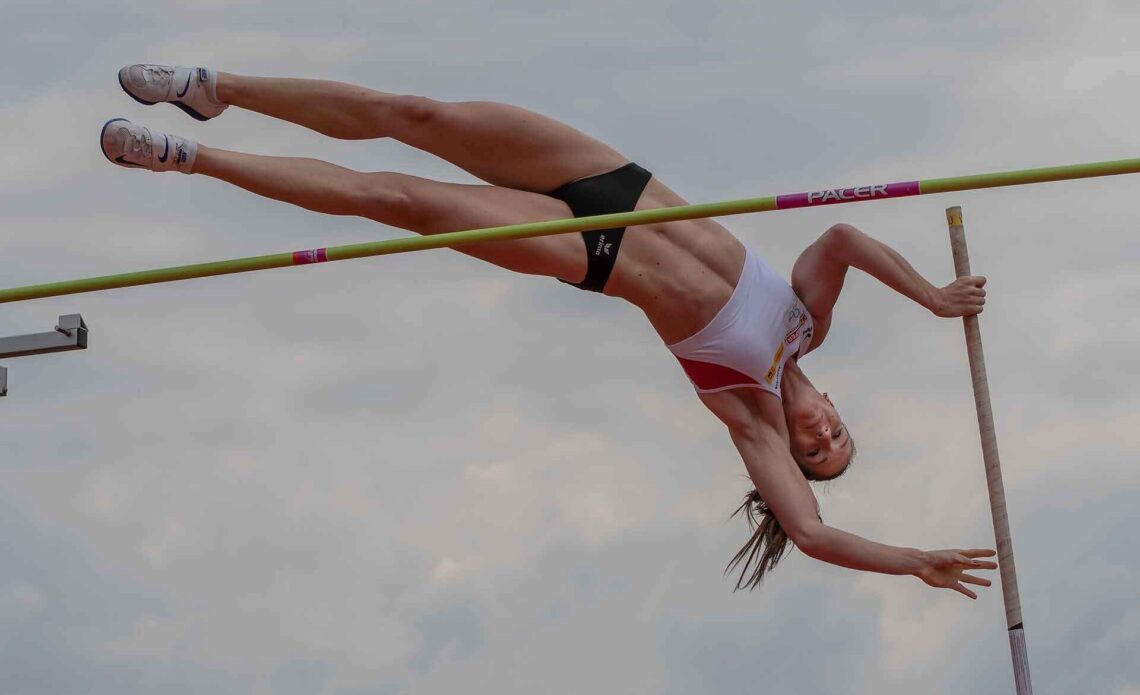
The new guidelines, Raising the Standard: Guidelines for Respectful Media Coverage in Women’s Athletics, ask camera operators and producers to focus on faces, facial expressions, technique and athletic performance. Low camera angles and camera angles that emphasise specific body parts such as buttocks, thighs, breasts, etc., should be avoided, together with shots that may be perceived as objectifying or that focus on appearance rather than athletic performance. Slow-motion replays that highlight the body’s movements rather than technique and performance should not be overused.
Feminists react
The initiative comes in the wake of criticism from feminist organisations and parts of the sporting community, which argue that traditional sports coverage contributes to reducing female athletes to bodies. Several athletes are said to have reported that certain television footage has led to unwanted attention online. Supporters of the changes maintain that the guidelines are necessary to promote equality and respect.
There are also those who have reacted negatively, linking the guidelines to a feminist agenda aimed at desexualising women. Several female athletes have personally expressed pride in the bodies they have trained and argue that they do not regard such attention as problematic—on the contrary, they see it as a natural part of the aesthetics of sport.
Libtards want to ban moments of sportsmanship like this https://t.co/rj225Zgcos pic.twitter.com/DwkIIMQoHx
— Flappr (@flapprdotnet) July 14, 2026
Female athletes often choose functional but relatively revealing competition outfits in sports such as beach volleyball, athletics, gymnastics, pole vault and swimming. A double standard has also been highlighted: while restrictions are imposed on the filming of women, male athletes continue to be shown in slow motion with a focus on musculature, sweat and physique without giving rise to comparable restrictions.
The guidelines are directed at broadcasters covering European athletics competitions. They have already entered into force for events organised under the auspices of the EBU and European Athletics.