

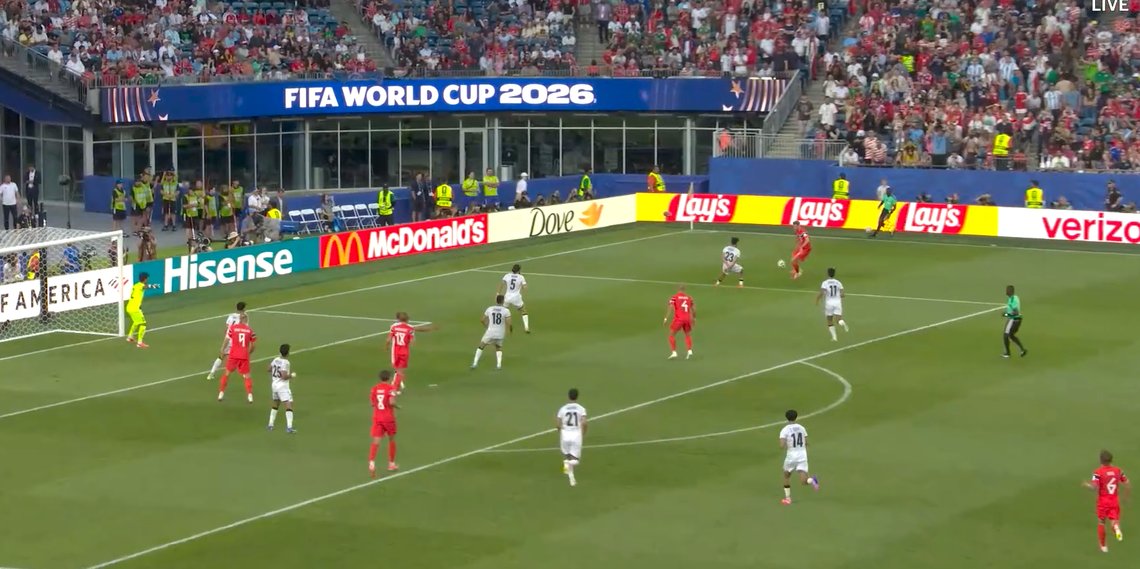
Senegal do not need to take the ball from Norway for ninety minutes. They need a handful of good steals in the right places.
That is the uncomfortable part of this match for Ståle Solbakken. Norway’s 4–1 win over Iraq showed the attacking power everyone already knew was there. Erling Haaland scored twice, Martin Ødegaard controlled enough of the rhythm.
Senegal will be a different examination. Reuters reported that Solbakken has warned specifically about Senegal’s counterattacks, their wingers and Sadio Mané. Senegal coach Pape Thiaw has also said his side are preparing for Norway as a team, not only for Haaland.
The danger for Norway is not that Senegal will dominate the ball. They do not need to. Their route into the game is the loose Norwegian pass, the fullback caught too high, the midfielder who takes one touch too many with pressure coming from the blind side. That is where a controlled Norway attack can become a Senegal break before Kristoffer Ajer or Torbjørn Heggem have properly turned.
Antonio Nusa’s job starts before he touches the ball.
If Senegal keep Krépin Diatta at right-back, as they did against France, Nusa has to make him defend the outside wing. Diatta cannot be allowed to tuck in early beside Kalidou Koulibaly and Moussa Niakhaté while Senegal close the middle around Ødegaard. That is the small, ugly tactical battle. Nusa does not have to beat Diatta every time. He has to keep him occupied enough that Senegal cannot defend Norway in a narrow block with no consequence.
This is where the match can become more awkward than it looks on paper. Nusa is dangerous when he receives wide and faces the defender, but Norway do not need a winger hunting for touches just to feel involved. If he drifts inside too soon, Senegal get the picture they want: Ødegaard receiving with pressure already on his back, Haaland boxed in by Koulibaly and Niakhaté, and Norway playing sideways in front of a set defense.
The better version is less spectacular. Nusa holds his lane, waits for the pass, and forces Diatta to make the first uncomfortable decision. Step out too aggressively and Nusa can attack the space behind him. Stay too deep and Norway can move up the pitch without forcing the ball through traffic. The point is not that every attack must end on Nusa’s side. The point is that Senegal have to keep accounting for him while Norway build elsewhere.
That half-second matters. Ødegaard’s best passes usually arrive when he receives with one shoulder free, not when he is wrestling for the ball in a crowd. Haaland is more dangerous when the centre-backs have been shifted, even slightly, before the cross or through ball comes.
When Nusa finally beats his man that is only half the story. Does he release before Pape Gueye or Idrissa Gueye slides across? Does he win territory rather than just applause? Does he see when the fullback behind him has already gone and the safe pass is actually the correct attacking decision? Against Senegal, those choices matter because the punishment comes quickly.
Mané and Ismaïla Sarr do not need an elaborate counterattack. A loose central pass, a fullback high up the pitch, one recovery run starting half a second late — that is enough to turn Norwegian control into a chase toward their own goal. Nusa can help prevent that, but only if his work continues after the attack dies.
That is the part of his assignment that will not dominate clips, the dirty job no one sees. There are matches where a wide player’s discipline does more damage than a string of dribbles into traffic.
The obvious names may still settle the match. Haaland only needs one serious chance. Ødegaard only needs one clean passing lane. But those moments usually come after the opponent has been moved out of comfort, not while it is standing exactly where it wants to stand.
That is Nusa’s work against Senegal. Hold the width. Pick the duel. Recover when it turns.


