

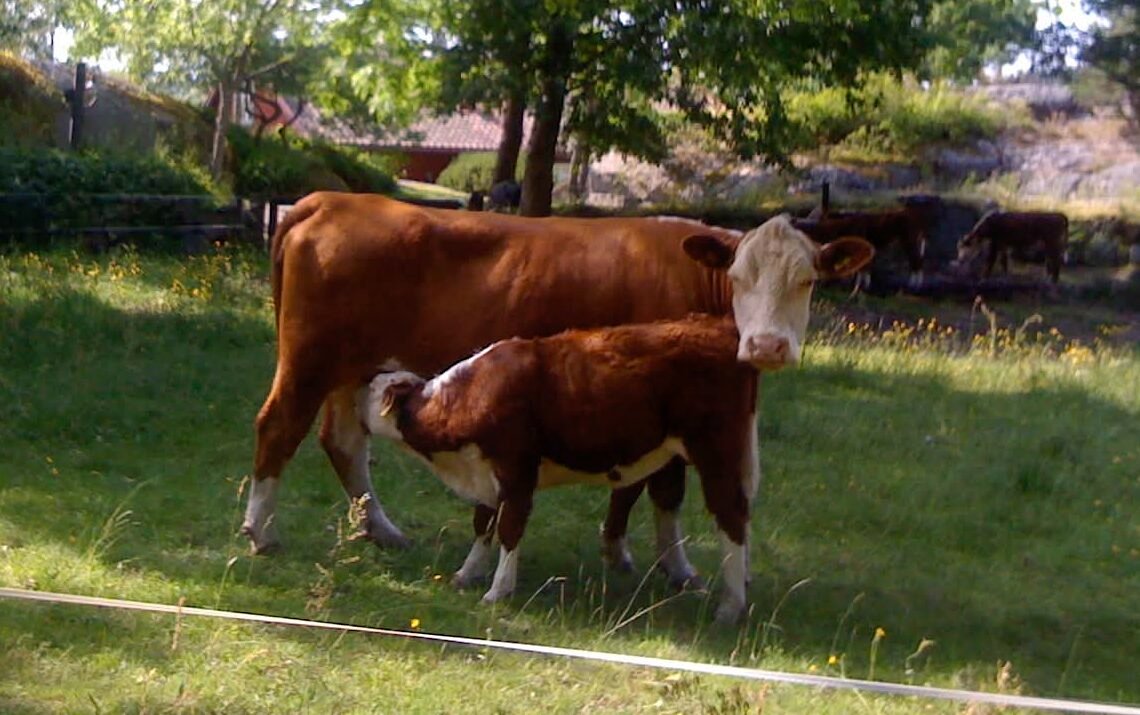


Only a few years ago, cows were a climate problem that had to be eliminated. Now the European Commission is warning that Europe may end up with too few livestock and farmers, writes Energi og Klima.
In the new livestock strategy presented on 7 July, the Commission presents cattle, sheep, pigs and poultry as necessary for food security, regional policy and European self-sufficiency.
The number of animals is no longer to be reduced. Instead, farmers are to receive support to cut emissions through better feed, breeding and technology.
– To achieve this, we must move beyond polarising debates and work on practical solutions. We want EU farmers to make money and be prepared for forthcoming risks, says Agriculture Commissioner Christophe Hansen.
Bodhild Fjelltveit, First Deputy Chair of the Norwegian Farmers’ Union, believes Norway should take inspiration from the change of course.
– Grazing livestock are part of food preparedness, because they make use of resources that we humans cannot eat ourselves, she says.
In the EU, the cattle population stood at 72 million animals in 2025, down from the previous year. The number of sheep, goats and pigs also fell. The Commission sees this as a threat to food production and vulnerable rural communities.
Criticism from the environmental side is correspondingly harsh. Unsurprisingly, Greenpeace believes that the strategy ignores ‘the urgent need’ to cut emissions from the livestock sector. It is claimed, after all, that agriculture accounts for approximately 12 per cent of the EU’s total emissions, and methane from cows makes up nearly half of this, according to those who believe they know this.
Norway’s Ministry of Agriculture and Food says that Norwegian agricultural policy is already based on the same premise that the EU has now adopted.
The Norwegian Farmers’ Union nevertheless believes that Norway must strengthen operating subsidies, livestock subsidies and grazing subsidies in order to secure production throughout the country.


