

Becoming bribed with e-cigarettes and alcohol by staff in corner shops is something one “often” hears about, two schoolgirls tell the BBC on Hexthorpe Road in Doncaster in South Yorkshire, England.
They say they are afraid to walk through the area, and report that they have heard stories on social media about local girls being subjected to abuse.
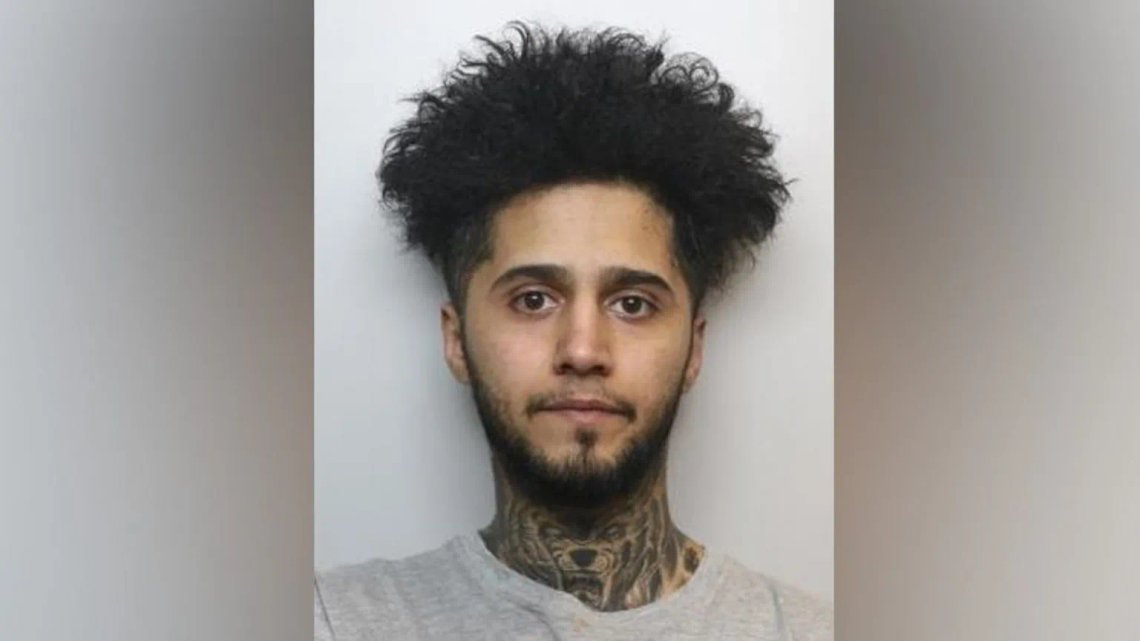
On Thursday an employee at a local minimarket was sentenced to 29 years in prison for raping six children in 2024.
Bawan Harwe, a 28-year-old Iraqi citizen, lured underage girls to his flat – also on Hexthorpe Road – with the promise of free e-cigarettes and money.
Sheffield Crown Court heard that Harwe selected the victims because of their age, gave them alcohol and drugs, and raped or abused them. The youngest victim was 12 years old.
The BBC writes that Harwe is seeking asylum, but the Home Office says that for legal reasons it cannot confirm his status in the United Kingdom.
A colleague, Sharam Muhamadi, originally from Iran, has also been convicted of facilitating travel for exploitation. A manhunt is now underway to find him after he fled from the trial.
The case has once again focused attention on crime and illegal activity linked to corner shops in the United Kingdom.
BBC investigations over the past 18 months have uncovered the sale of cocaine and cannabis over the counter in corner shops, as well as the sexual exploitation of children, money laundering and immigration crime.
Local residents living near Hexthorpe Mini Market, where Harwe and Muhamadi worked, told us that they were not surprised by the two men’s crimes.
The street is full of such shops. Residents say that the crime in the area was driven by the sale of illegal cigarettes and e-cigarettes.
It is a situation that is mirrored in many other shopping streets across the United Kingdom.
Rupert Lowe dokumenterer den grufulle brutaliteten til muslimske voldtektsgjenger i Storbritannia
England: Muslimsk gjeng som voldtok unge britiske jenter dømt til 277 års fengsel
A local woman, who did not wish to be named, told us that she believed the area had become “lawless”.
She recalled that she had confronted Harwe about the sale of illegal cigarettes in his shop, and threatened to report it to the police.
She said he replied: “Do you think we are afraid of the police?”
Without the minimarkets, she believed, the abuses would never have happened.
A local business owner, who also wished to remain anonymous, told us that he was “horrified” when he heard about the girls who were drugged and raped.
He said that he had reported the sale of illegal tobacco and e-cigarettes, sales to minors and antisocial behaviour to Doncaster council.
There had been several raids on the shop, he said, but added that it did not appear to affect business. One hour after Trading Standards had left, they started selling again “straight away”, he said.
He was angry and frustrated that the police did not close the shops.
South Yorkshire Police confirmed that they were aware that enforcement actions were being carried out inside Hexthorpe Mini Market. Doncaster Borough Council stated that it would not comment on ongoing investigations.
During the trial the jury heard that a man known as “Karzan” had arranged the jobs for Harwe and Muhamadi, as well as their accommodation in a neighbouring flat.
The same name was mentioned repeatedly by local residents, including shop staff, but it is not mentioned in any official documents for the premises.
Karzan Hussein is listed on two other businesses on Hexthorpe Road and was granted an alcohol licence by Doncaster council in May.
In investigations across the United Kingdom the BBC has reported other cases where staff in corner shops and e-cigarette shops have abused children.
In March they described how an employee in local government had repeatedly sent reports to the authorities in the West Midlands about children as young as 11 being subjected to sexual abuse in shopping streets.
Extracts from intelligence reports from 2019 to 2024 also claim that children may have been exposed to the risk of sexual abuse after being offered drugs, alcohol and cigarettes in corner shops.
“Shops have been a worrying blind spot for the police and the council’s consumer protection departments,” says David Greenwood, a lawyer who represents survivors of grooming and sexual abuse.
He believes that the government’s independent inquiry into rape gangs should have a focus on shops on high streets.
Following the BBC investigations the government has announced a change in the law to make it easier to close shops that sell illegal goods.
The measure has been well received by trading standards teams, but in areas such as Hexthorpe Road, where some have spent decades building up their businesses, there is little belief that criminal gangs can be driven out of the streets.
Several local residents said that a minimarket on the street is now selling prescription medicines, including antidepressants, pregabalin and the weight-loss drug Mounjaro.
“So many good customers we used to have have moved away because of this plague in Hexthorpe right now,” a business owner said. “This community was destroyed a long time ago.”


