

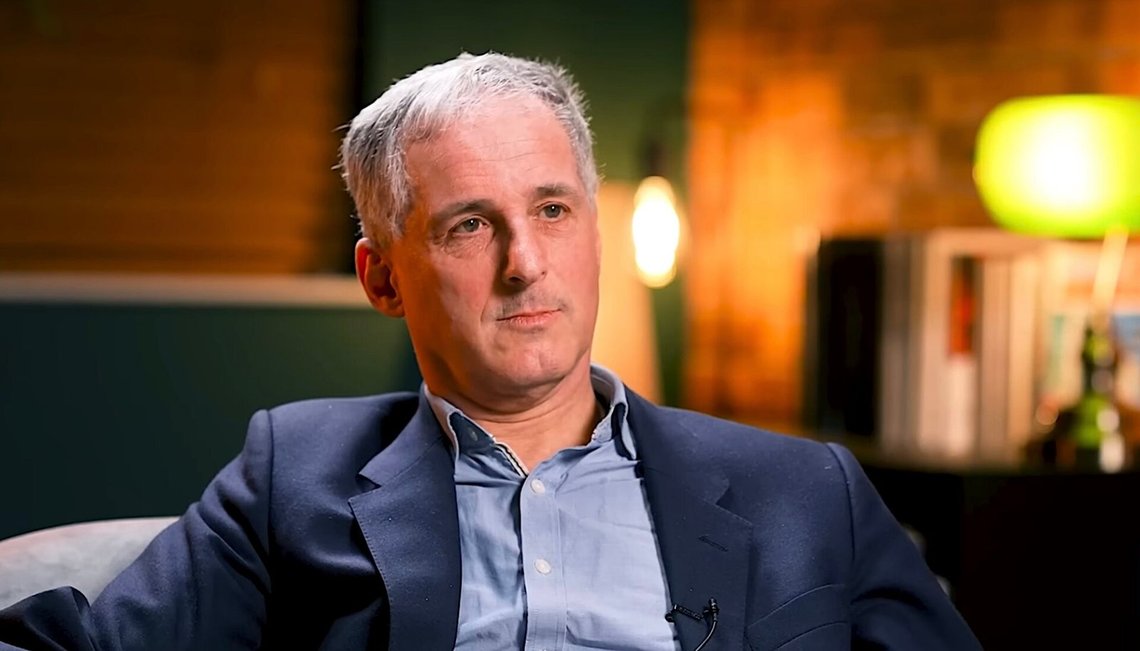


“The economic and social consequences of low birth rates will be brutal,” says the British demographer Paul Morland: “There will be no welfare state, inflation will be unstoppable, and the economy as we know it will cease to exist,” he warns in an interview with The Telegraph.
Speaking to the British newspaper, Morland says that white Britons risk becoming a minority in 40 years’ time, but that mass migration offers no escape from the consequences of low fertility.
Together with the economist Philip Pilkington, Paul Morland has recently published a new book Bust (ruined, in tatters), in which the authors also warn against intergenerational conflict:
“We can only hope… that the elderly population are not starved – or worse, that they are euthanised to free up resources.”
Morland tells The Telegraph about developments in South Korea, where the fertility rate is as low as 0.8:
The effects of population implosion would not be evenly distributed. “First, it’s coming for [the] villages,” he explains. Shops close, roads fall into disrepair, and those who can move into larger towns. “But then it will come for those towns,” he continues, which leaves increasingly concentrated populations in large cities.
“Countries will turn in on themselves,” he comments, referring also to Europe. Soon they will feel the consequences of past irresponsibility:
Governments will be unable to honour the debts and promises that were accumulated when populations were younger and growing. No cavalry will come to our aid because the demographic problem is occurring across much of the world simultaneously.
In countries with few young people, there will also be little renewal:
Morland explains the economic consequences through what he calls the “four greys”: grey labour, grey capital, grey consumers and grey government finances. A shrinking and ageing workforce means fewer workers and, he argues, less entrepreneurial energy. Older investors tend to favour safer assets, depriving new businesses of risk capital, whilst older consumers are less inclined to experiment with unfamiliar products and services.
Meanwhile, the state must support an expanding elderly population with a diminishing tax base. Raising the retirement age may help, but Morland doubts that “persuading granny to do two mornings in B&Q” will be enough to compensate.
– “Does the Chancellor of the Exchequer ever think about this?” asks Morland.
Does [he] ever think about this? Does he ask why it is that the debt is so high in peacetime? It’s a constant, unrelenting drag, so profoundly to do with demography that it will just go on and on until we muster the courage to try and address it.”
Paul Morland speaks frankly about demographics to the public, as he does here on the popular British podcast Triggernometry:


