

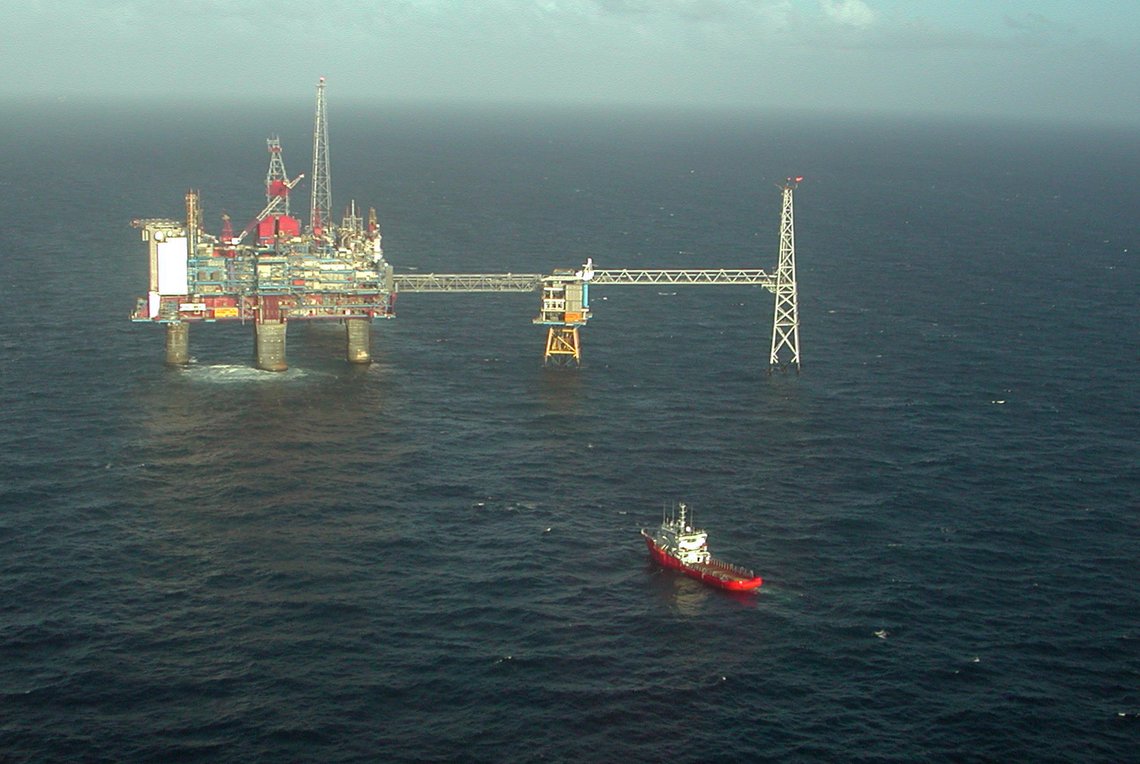


The fall in oil prices following the US congressional elections has sent the Oslo Stock Exchange tumbling. However, those who fear the consequences for the Norwegian economy can breathe a sigh of relief. The 2027 national budget is based on significantly lower oil and gas prices.
Last Friday, Brent crude was trading at $115 a barrel. Following the Democrats’ overwhelming victory in the US mid-term elections, the price of oil has plummeted by $20. With oil production at around 1.9 million barrels per day, the difference for Norway amounts to just under 35–40 million dollars a day, or approximately 130 billion kroner on an annual basis.
The 2027 national budget presents revenue from the state’s petroleum activities amounting to 603.4 billion kroner.
The attached table shows key figures from the national budget, as presented in October. Revenue from petroleum activities is highlighted in yellow.
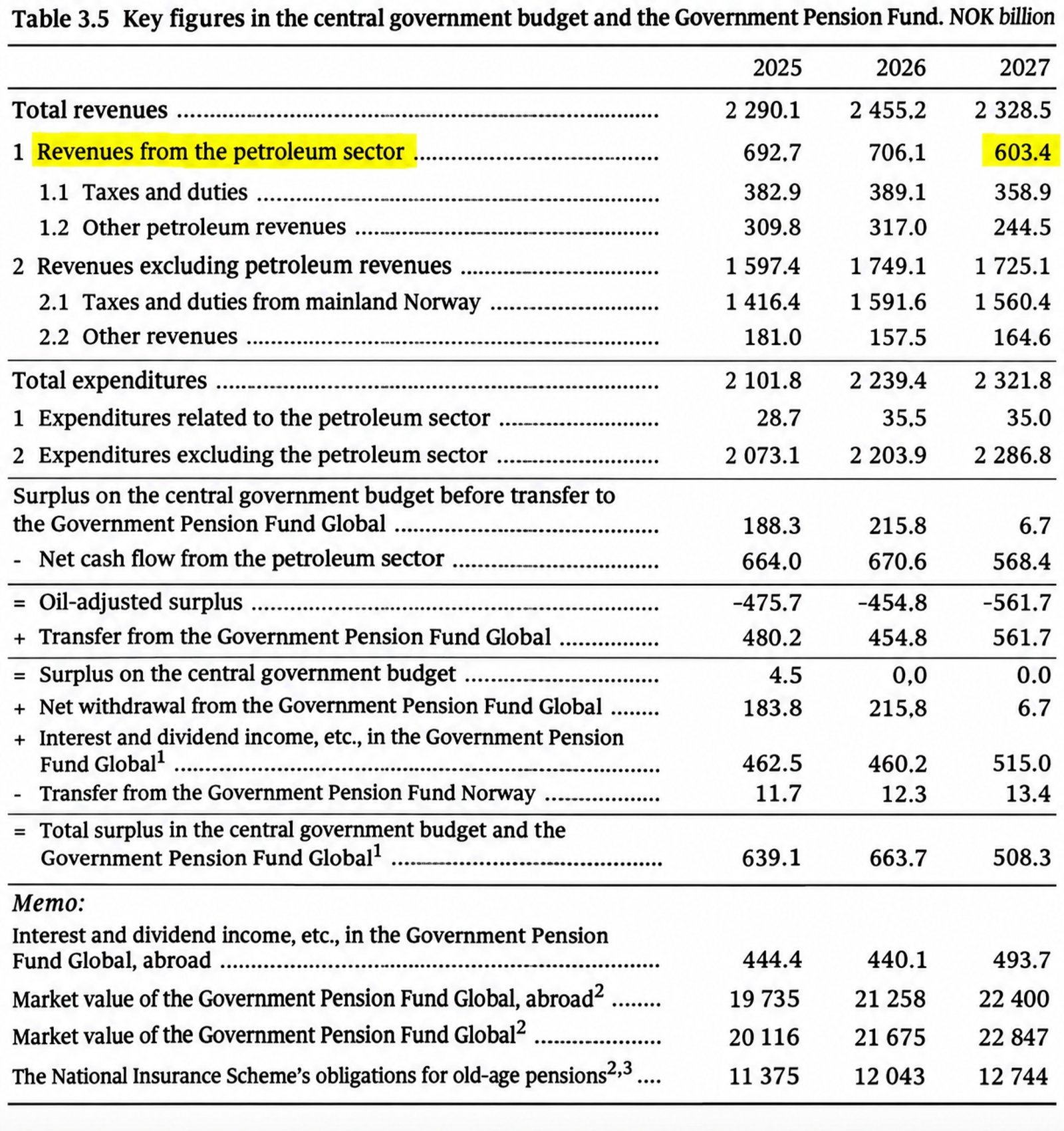
The government’s petroleum revenues consist of two items: 1) taxes and duties, which are taxes and duties paid by oil companies such as Equinor, AkerBP, Vår Energi, Shell, ConocoPhillips, Total, etc.; and 2) «Other petroleum revenues», which are the government’s revenues from direct ownership through the wholly state-owned Petoro.
Note that all other tax revenue from the oil industry, such as personal income tax from all those working in the sector and tax revenue from the supply industry, is included under Mainland Norway.
Expecting only 75 dollars
This estimate is based on the Ministry of Finance’s assumption of an oil price of 75 dollars per barrel and a gas price of 4.1 kroner per standard cubic metre, as shown in the following table taken from the National Budget.
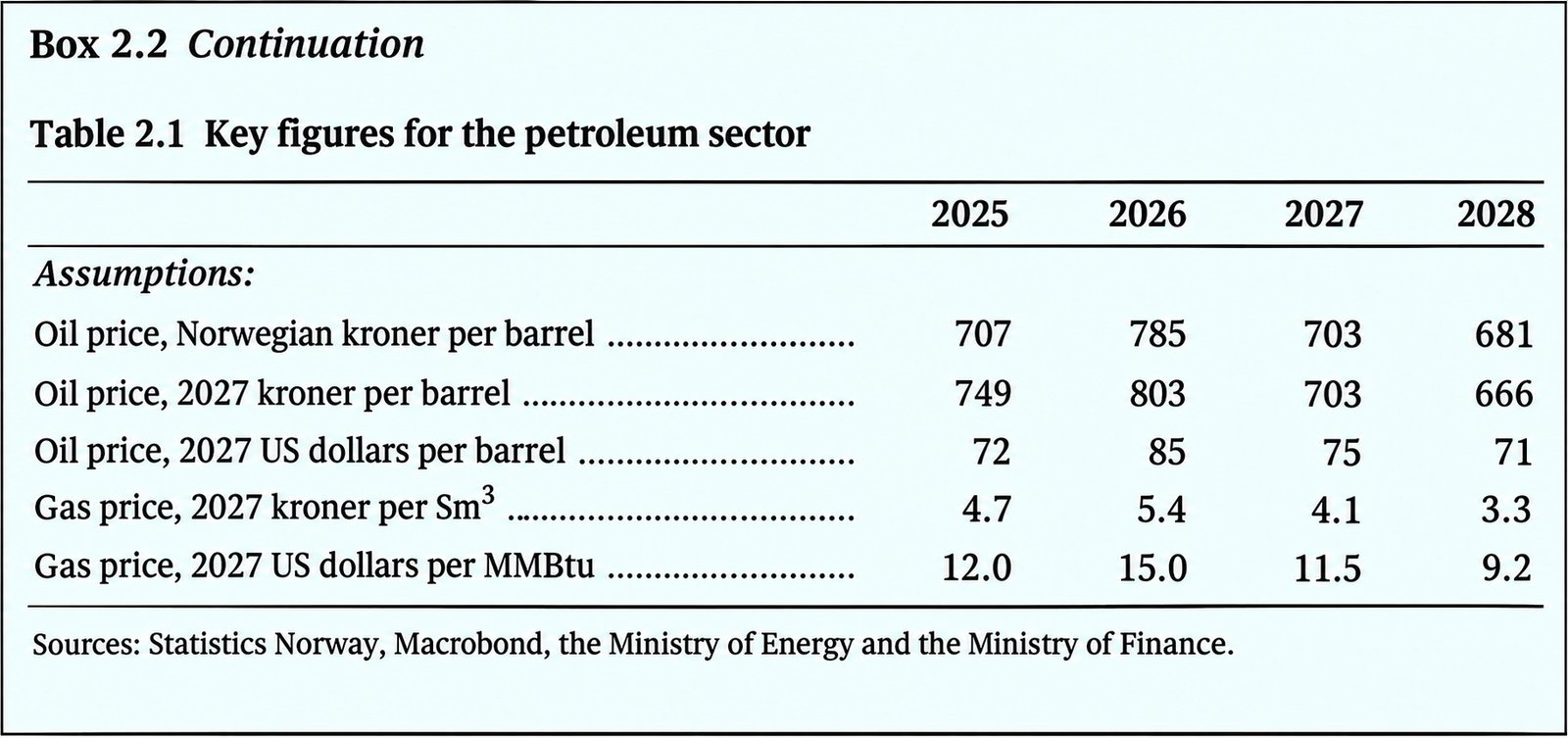
However, the current oil price is 97 dollars, whilst the gas price in the EU is 89 euros/MWh, which corresponds to 9.9 kroner per standard cubic metre at today’s euro exchange rate.
Consequently, the Ministry of Finance is basing its calculations on an oil price that is 22 per cent lower than the current price, and implicitly a dollar exchange rate of 9.37 kroner, compared with the current rate of 9.3, and a gas price that is less than half the current market price.
More than a thousand billion
The split between oil and gas in Norwegian petroleum production, calculated in oil equivalents, is approximately 50/50.
With an oil price 28 per cent higher than the Ministry of Finance’s estimate and a gas price 141 per cent higher, the government’s petroleum revenues, at current prices, could reach 1,115 billion kroner. That is 85 per cent higher than current estimates.
Consequently, there will likely be another substantial net injection into the Petroleum Fund after NOK 561.7 billion (‘oil money’) have been used to cover the estimated oil-adjusted budget deficit by a corresponding amount.


