

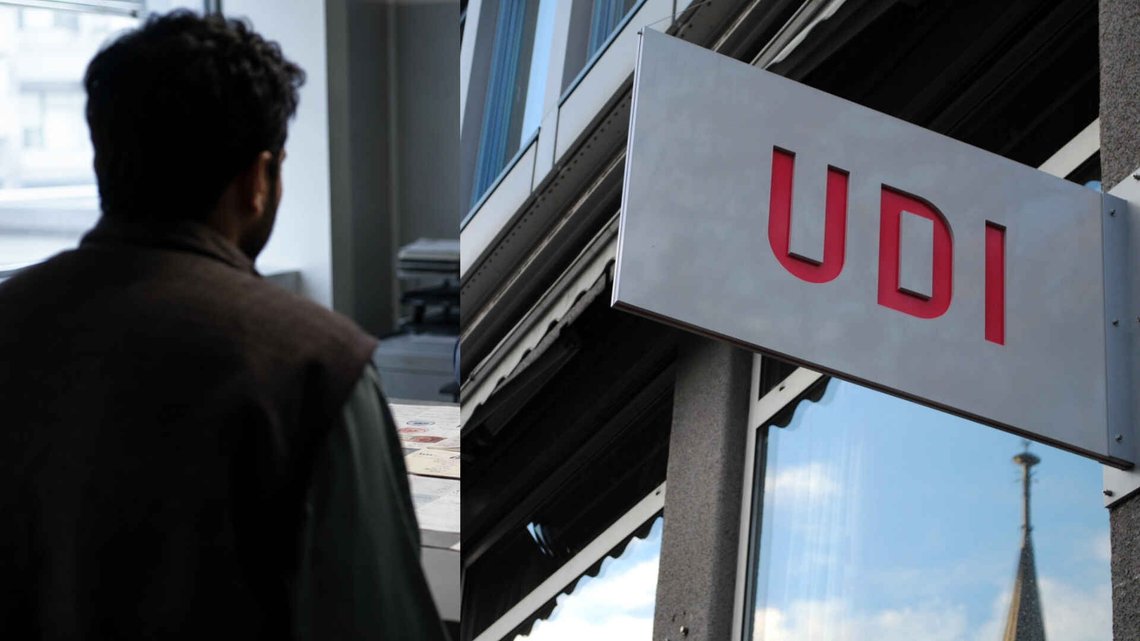
The Norwegian Directorate of Immigration (UDI) has uncovered four large family networks that have systematically obtained residence permits and Norwegian citizenship on false grounds. The first network came to the country around the year 2000.
The Norwegian Directorate of Immigration and the police have in recent years uncovered several networks in which family members have provided false names and places of birth, and subsequently brought in new relatives on permits based on the lie. NRK reports.
One network was discovered during ordinary case processing. Another emerged by chance, when evidence in a criminal case concerning honour-based violence linked one of the defendants to an entirely different nationality from the one under which he had applied for asylum.
Most of the cases originate in Pakistan, Afghanistan and Somalia.
The networks are not lacking in resources. UDI describes clans with extensive business activities and highly educated members, in which the leading figures are publicly known individuals in their countries of origin.
\
– Some of the leading figures in the countries of origin have also had their own militias, and there are links to extremist organisations and movements, says Camilla Torgersen, head of section at UDI.\
The Directorate will not answer further questions on that point.
The networks have branches in other European countries, and the police have uncovered large transfers of money back to the countries of origin. According to UDI, the motive is access to rights and benefits to which they would otherwise not have been entitled – money that is sent home.
The consequence is that the Norwegian authorities do not know to whom they have granted residence permits and citizenship. Torgersen calls this a security risk. A false identity also provides access to benefits from Nav to which one is not entitled.
In the first network, which comprises around 60 people, 30 have had their permits revoked. Many have been expelled. In another network, nearly 50 cases have been opened.
But the fraud does not necessarily have consequences. As a general rule, children’s citizenship cannot be revoked, since children should not suffer for their parents’ choices. As a result, the parents are often allowed to remain, with a new permit. Health considerations, long periods of residence and good integration weigh in the same direction.
\The problem is not new. The embassy in Islamabad found false or suspicious documents in 58 per cent of the family immigration cases examined, according to a 2018 report.\


