

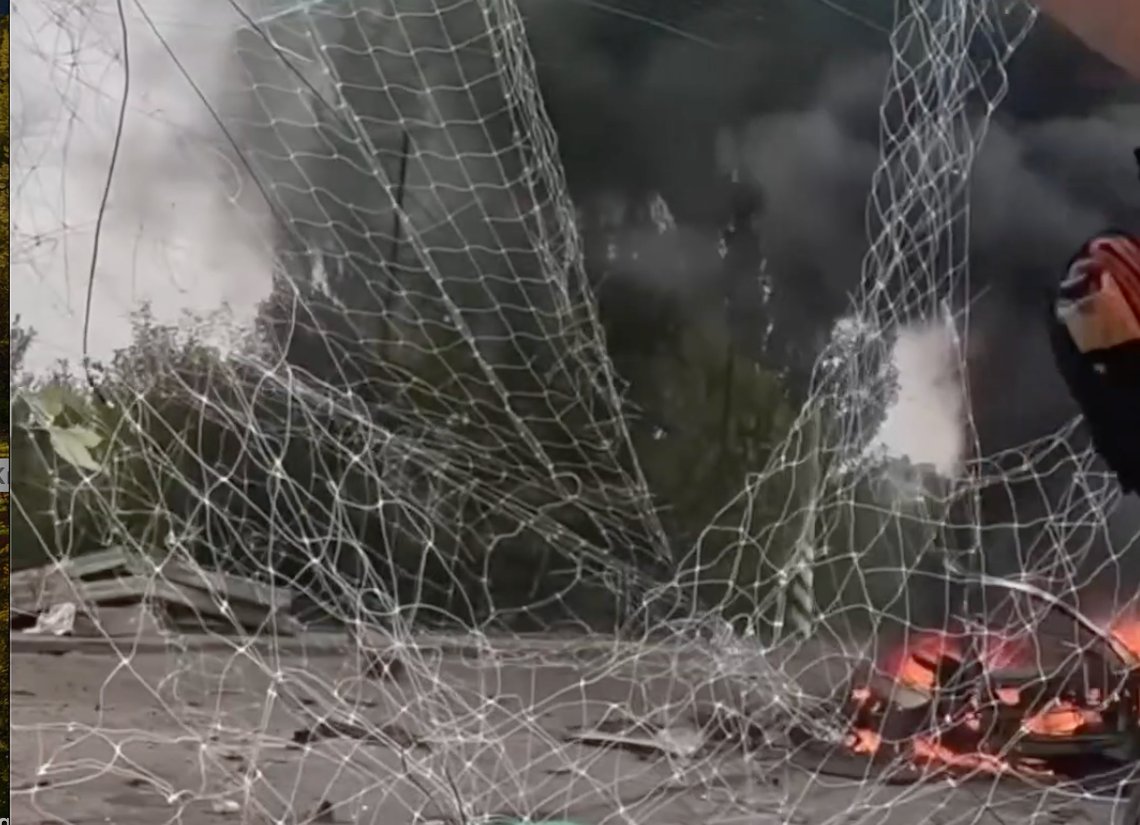


‘The Dutchman’ is a Ukrainian ‘‘helper’ who evacuates civilians – often the elderly and the sick – as well as animals trapped amidst the drone fire in the rapidly expanding ‘death zone’ in the Donbas. Here, the reader is presented with a translation of a typical post from ‘The Dutchman’s’ social media channel, from the city of Kramatorsk, which was formerly a logistical hub and recovery centre for the Ukrainian-controlled Donbas but is now being transformed by hostilities in the frontline zone.
Kramatorsk was formerly a major industrial centre in the Donbas and now serves as the temporary administrative centre for the Donetsk region. Before the Russian invasion in 2022, the city had between 150,000 and 200,000 inhabitants, depending on whether one counts only the city itself or the entire municipality. By mid-September 2026, according to the military city administration, there were around 34,000 residents remaining, of whom just over a thousand were children. By the end of the month, the population had fallen to around 30,000, and by early October estimates put the figure at around 19,000. Every day, between 150 and 300 people left the town. Factories closed, business activity declined, but municipal services, doctors and others who were still able to work continued to keep things running.
A day in the city might begin peacefully. The sun is shining; people are sitting on benches or jogging in the park in the city centre. Everything looks just like any other city. Then the attack comes. On 6 September, at around 10.30 am, several guided aerial bombs were dropped on the bridge and the adjacent park. The wounded and dead lay on the ground. Local residents and volunteers immediately came to their aid. A man with a head injury had his wound bandaged and returned to work. A woman working in a coffee kiosk managed to sit down when she heard the whistling sound of the bombs and survived. By that very evening, municipal crews had cleared away the debris from the attack. The park once again looked relatively tidy.
A week later, the same bridge was hit again. People say it will never be left in peace. Similar incidents are recurring elsewhere in the city. One day, a bomb struck the courtyard of a block of flats, destroying several flats. In another building, a woman was pulled out from the ground floor, already dead. At the market, a civilian woman was killed. She had come to visit the owner of a car repair workshop. The wounded were carried away on stretchers. One morning at around six o’clock, a bomb struck a house where a grandmother and her grandchild were still lying in their beds. Both were pulled alive from the ruins.
This is how the days go by. In the morning, an attack may strike the city, but by the afternoon people are back at work. They clear up the debris, and those who can go to work on their shifts. People help one another where needed. Some nail boards over shattered windows and stay put. Others carry on with their daily routines, despite the fresh traces of the destruction. Life does not come to a complete standstill. Goods are unloaded, people walk the streets, and public services are maintained. But the days are no longer measured primarily in hours and tasks, but in the time remaining until the next attack.
This is everyday life in Kramatorsk. Sunshine and tranquillity are replaced by bombing raids. The wounded are treated, and people return to their daily tasks. The city clears up the damage quickly and tries to maintain a sense of normality between the attacks.


