



The police uniform worn by Anders Behring Breivik during the terrorist attack of 22 July 2011 is to be put on display. The mother of the youngest victim on Utøya has reacted strongly.
“I do not understand why they are going to display the uniforms. It is completely unnecessary,” Vanessa Svebakk-Bøhn told NRK.
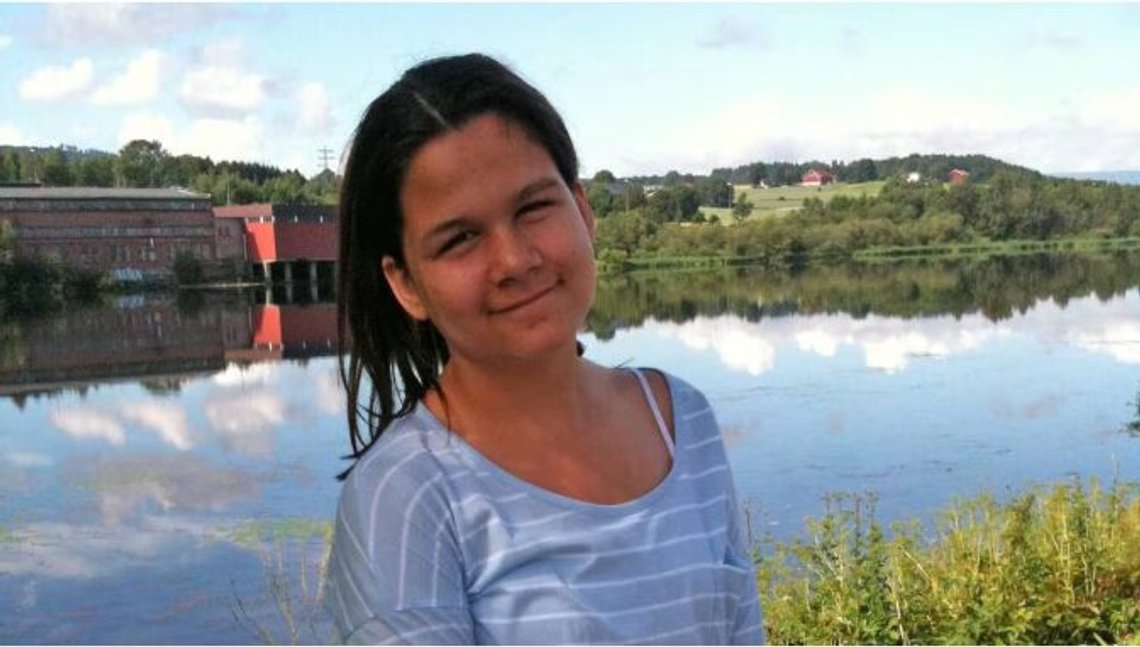
Svebakk-Bøhn was the mother of Sharidyn “Sissi” Svebakk-Bøhn, who would have turned 29 on 17 July. “Sissi” was the youngest murder victim on Utøya. She had just turned 14.
At the new 22 July Centre, which opens to the public on the 15th anniversary of by far Norway’s largest terrorist attack, bereaved families and survivors were today, Monday, shown for the first time the uniform Breivik wore on Utøya as part of the exhibition. Many appear to struggle to understand the purpose of displaying what the murderer was wearing on that tragic day.
Svebakk-Bøhn says she was not informed in advance that the uniform would form part of the exhibition. She agrees that it should be displayed, but not now.
“I would have chosen a different time, when I was ready, but these days, with 22 July only two days away, are difficult.”
She further says that her reaction came immediately, and that the first emotion she felt was anger.
“I wanted to try to understand, so I raised my hand and asked what assessments had been made.”
Merete Stamneshagen, Chair of the National Support Group after 22 July, believes the information provided about the exhibition has been good.
“What each individual needs will always vary. One must acknowledge the feelings people have, but I believe the information we received today was very good.”
The Director of the 22 July Centre, Lena Fahre, says it was important that bereaved relatives and those affected were allowed to see the exhibition first so that the centre could provide them with the necessary context.
“It is painful to see that some people have such reactions, and we want to maintain a good dialogue with the bereaved and those affected. But personally, I stand firmly behind the professional assessments we have made.”
It remains an open question whether the primary task of the 22 July Centre should be professional rather than human considerations. Should the emphasis be placed on facts rather than on the feelings of the bereaved?
Svebakk-Bøhn visited the 22 July Centre with one of her daughters on Monday. Both left the centre without viewing the exhibition.


