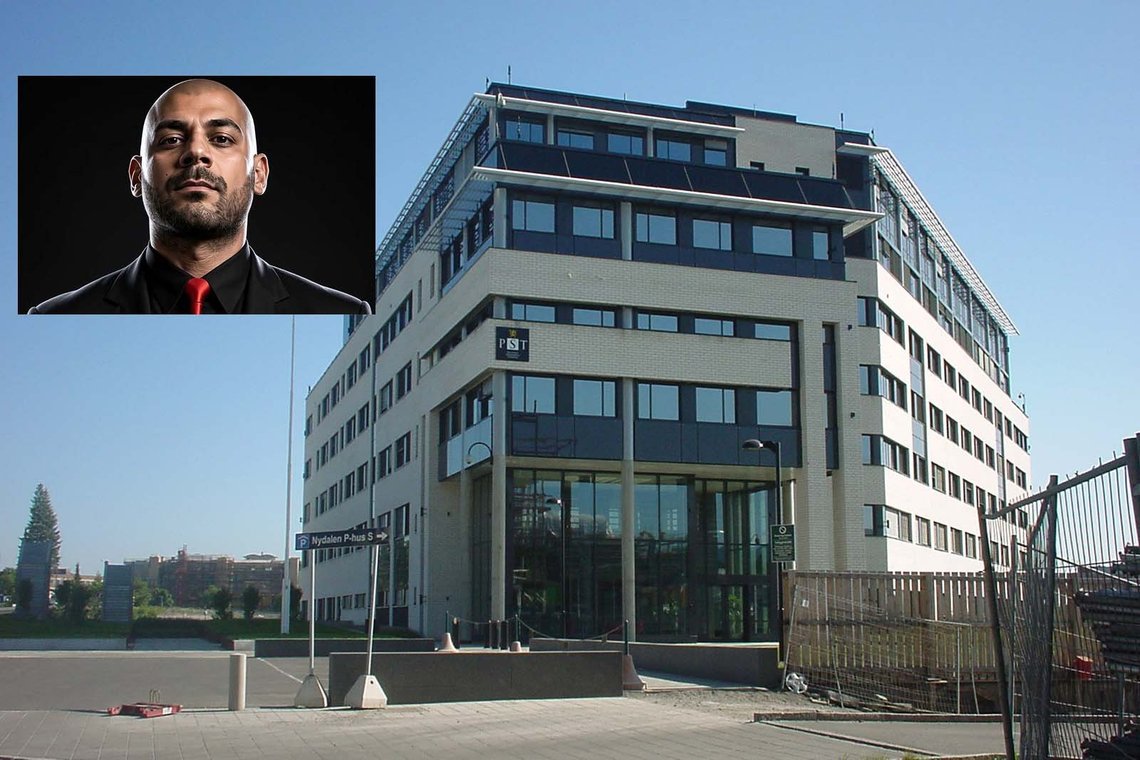


On 8 October, the Norwegian Police Security Service stated it quite plainly: Iran is a state-sponsored threat actor operating in Norway. The target is not primarily Norwegian interests; the target is dissidents and critics of the regime, as well as Jewish, American and Israeli targets.
As an Iranian in exile, I read the PST’s assessment and feel it in my bones. The Service describes the same pattern that I and many others have observed in Europe for years: surveillance, pressure – and, in the worst cases, attempts at assassination.
Foxtrot, with links to the Iranian regime, is recruiting teenagers in Norway
PST analyst Celine calls it ‘forward defence’. The regime wants to strike its enemies wherever they may be. She is particularly concerned about attacks using homemade firebombs or hand grenades. The aim is not to kill as many people as possible, but to send a message: We can get you wherever you are.
This is not speculation. It is the assessment of Norway’s own security service.
The PST now believes it is likely that Iran is using proxy actors in Norway. Young and inexperienced people can be recruited for missions without knowing who they are actually working for. This method has already been used in Europe. It lowers the threshold and makes it harder to trace who is behind it.
Take Johannes Natland, for example. Aged 19, Norwegian. Recruited through the Swedish Foxtrot network, which has links to the Iranian regime. He agreed to carry out a contract killing in the UK for 25,000 euros. He was given money and two pistols. He was arrested at a hotel in England before he could carry it out, and has now been sentenced to 20 years’ imprisonment.
Natland is no exception. Foxtrot has recruited teenagers in Norway, Sweden and the UK to carry out murders and attacks. The network has been sanctioned by both the UK and the US for violence against Jewish and Israeli targets on behalf of Iran. The method is the same everywhere: young people are lured via social media, given instructions and money. The masterminds sit safely abroad.
Diplomatic contact with a regime that carries out executions on a large scale
Geir Espen Fossum from the PST’s department for state-sponsored threat actors speaks directly to us, the Iranian exiles. The Iranian authorities and security services are mapping out individuals and organisations they regard as a threat to the regime. They want to keep track of all the activities we are involved in outside Iran. Iranian exiles in Norway are intelligence targets. In several European countries, individuals with links to the regime have already attempted to assassinate critics.
And they want more than just us. Iran is also seeking sensitive technology and information about Norwegian weapons systems in order to circumvent sanctions. This is a state that is mapping out dissidents whilst simultaneously targeting our defence technology.
The threat picture is not new. For years, the PST has placed Iran on the same list as Russia and China. What is new is that the service is stating this so clearly and publicly, and naming the analysts. And that Norway maintains diplomatic contact with the regime, whilst it carries out executions on a large scale.
Støre raised the issue of the Strait of Hormuz, but overlooked the executions and political prisoners
On 23 September, less than three weeks before the PST’s statement, Prime Minister Jonas Gahr Støre met President Masoud Pezeshkian at the UN in New York. According to the government’s own statement, he raised the issue of the Strait of Hormuz. He said that the conflict must be resolved through diplomacy. He expressed ‘deep concern’ over human rights violations in Iran.
There is no mention whatsoever of a halt to the executions. Nor is there any mention of the release of political prisoners.
‘Deep concern’ is what you say when you have no intention of making any demands. It costs nothing, it means nothing – and they know that in Tehran.
The Iranian embassy is a base
At the same time, Norway is keeping the Iranian embassy in Oslo open. For those of us who have fled the regime, it is not merely a diplomatic formality. It is a base. It provides the regime with a legal presence, visas and contacts. It gives them an observation post: who is speaking, who is organising, who is in the demonstration march.
The PST says that the regime is profiling opposition figures and may use proxies. In that case, an open embassy is not neutral. It is a channel.
Norway likes to say that we talk to everyone. That is a genuine tradition, and it has its value. But it is based on one premise: that the other side is not monitoring and threatening people who live here. That premise no longer holds. Norway’s own security service has said so.
The PST is not asking Norway to sever all contact. They are describing a threat assessment. The very least we can expect is for politicians to act on that.
The government shook hands after the massacres, talked about diplomacy – and went home
What does that mean in practice? That the Prime Minister, the Foreign Minister and everyone else who meets with representatives of the regime say one thing loud and clear: the surveillance and pressure on Iranian exiles in Norway is unacceptable, and there will be consequences. That a moratorium on the death penalty and the release of political prisoners are put on the table as demands, not as a footnote in a report. That there is a plan for what Norway will do if an Iranian in exile is attacked on Norwegian soil. And that a clear explanation is provided as to why the embassy in Oslo is still permitted to operate as before.
This is not radical. It is the bare minimum.
The government could have demanded this following the massacres of demonstrators in January and the daily executions. It did not. It shook hands, talked about diplomacy – and went home.
Many of us are vocal. That is no coincidence. Silence is exactly what the regime wants.
The PST has provided the facts. The government offered a handshake.
The safety of those in exile – our safety – comes after the handshakes.