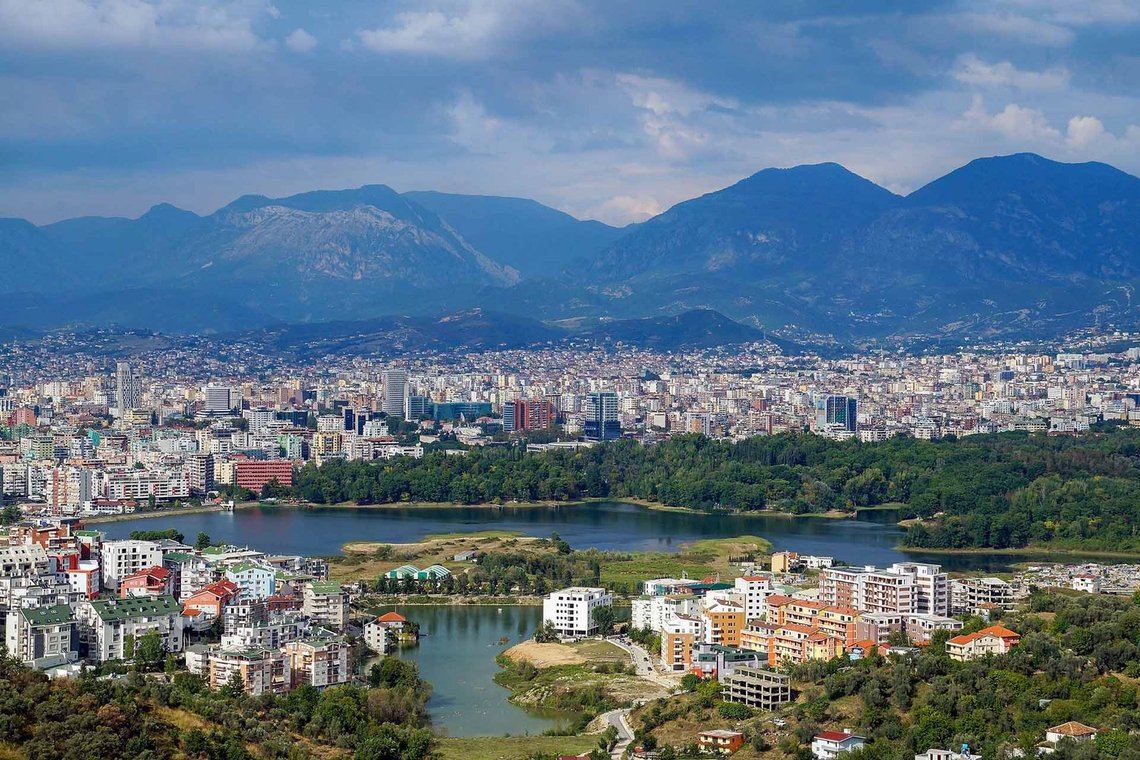


On Wednesday 14 October, Albanian police used tear gas and water cannons against demonstrators in Tirana during a second day of unrest. Sources vary, but anywhere from thousands to tens of thousands of protesters gathered outside the Ministry of Education.
The demonstrators threw stones, fireworks, petrol bombs and other objects, tore down fences and set fire to a guard post as well as parts of the ministry building. Other buildings in the area, including banks, were also damaged or set alight.
Inspired by the French symbiosis between the violent left and Islamofascism?
The police reported dozens of arrests and injuries on both sides. The authorities have condemned the violence and called for calm, whilst the president has urged all parties to act responsibly.
It began as a student protest against poor conditions at universities, high tuition fees, a lack of support schemes and poor job prospects.
Student protests in Albania turn violent as demonstrators clash with police
Government building and two banks set on fire as tens of thousands take to the streets over education costs and corruption https://t.co/KicIuLNfQD via @guardian
— Nino Brodin (@Orgetorix) 14 October 2026
However, the protests have merged with the wider ‘Flamingo Revolution’ – a wave of anti-corruption protests that have been ongoing since May, triggered by a controversial luxury resort project on the south coast.
‘EU-style’ levels of violence
Several media outlets point to a broad European wave of student unrest and influence from France – the more sarcastic commentators refer to the level of violence as ‘EU alignment’, with a dig at the fact that Albania is a candidate for EU membership – but the Albanian demonstrations have clear local roots in specific problems within the Albanian education system, combined with long-standing dissatisfaction with government corruption.
The very escalation in the level of violence in recent days may nevertheless appear to have been inspired by the destruction wrought in France by the symbiosis between the violent far-left and Islamofascism. However, the demands for the resignation of the socialist government and Prime Minister Edi Rama clearly distinguish the Albanian riots from those in France.