



For the first time in more than two decades, the Austrian government has expelled more people than it has received new asylum applications.
This comes after sustained pressure from the immigration-critical right, and is likely to inspire other right-wing parties across Europe.
Figures published this month in Vienna show that the number of asylum applications during the first half of 2026 fell by 44 per cent compared with the same period last year, with an estimated 4,900 asylum applications submitted between January and June, writes Kronen Zeitung.
By comparison, more than 7,000 expulsions and other removals of migrants were carried out during the first half of the year. This means that, for the first time in more than 20 years, the number of removals exceeded the number of new asylum applications, according to Austrian Interior Minister Gerhard Karner (ÖVP).
According to Karner, the figures include family reunification, which accounts for the majority of arrivals in countries such as Norway. Only 48 people arrived in Austria through family reunification during the first half of 2026.
According to government statistics, immigrants from Syria and Afghanistan were the most frequent applicants for asylum in Austria during the first six months of the year, with those two groups accounting for around half of all applications.
Austria has applied the brakes to asylum applications from Syria. Only around one third of applications from Syrians have been approved so far this year, compared with 67 per cent two years ago.
Other European countries like to praise Syria’s new president, Ahmed al-Sharaa, who was formerly a rebel fighter with links to al-Qaeda. Nevertheless, countries such as Norway continue to admit Syrian asylum seekers. More than 7,600 Syrians were granted Norwegian citizenship in 2025.
In June, the Austrian government launched a voluntary return programme for Syrians living in Austria, but Karner said it was too early to say how successful the scheme would prove to be.
Overall, 27 per cent of all asylum applications were rejected immediately during the first half of the year, compared with 16 per cent that were granted immediately and a further 15 per cent that received subsidiary protection at the initial stage of processing.
Iranians and Afghans were the most likely to be granted asylum protection, with approval rates of 76 and 69 per cent respectively. The Afghan invasion of Europe thus appears set to continue, even though Afghans top the crime statistics in most European countries.
https://www.document.news/news/2026/07/afghan-refugee-nawid-bayan-charged-with-murder-of-norwegian-convert-girlfriend
Austria’s government is also among the EU member states seeking to conclude an agreement with a third country to establish migrant return centres, an initiative long championed by Italian Prime Minister Giorgia Meloni’s government in Rome.
The significant shift in Vienna’s immigration policy began in earnest in the aftermath of the 2024 parliamentary election, in which the immigration-critical Freedom Party of Austria (FPÖ) achieved a surprise victory with 28.8 per cent of the vote. It was the FPÖ’s best election result ever.
Nevertheless, the FPÖ did not enter government. Instead, the so-called conservative Austrian People’s Party (ÖVP) chose to form a coalition with the left-wing Social Democratic Party (SPÖ) and the neoliberal NEOS party, in a situation reminiscent of Germany, where the CDU/CSU alliance formed a government together with the Social Democratic Party (SPD).
While Germany is chiefly preoccupied with ensuring that the country’s largest party, Alternative für Deutschland, gains no political influence, the ÖVP effectively prevented Freedom Party leader Herbert Kickl from becoming Austria’s new Chancellor.
The FPÖ’s surprise success has nevertheless placed the coalition government under enormous pressure finally to begin cracking down on mass immigration. The FPÖ has thus demonstrated that remigration is entirely possible, provided the political will exists.
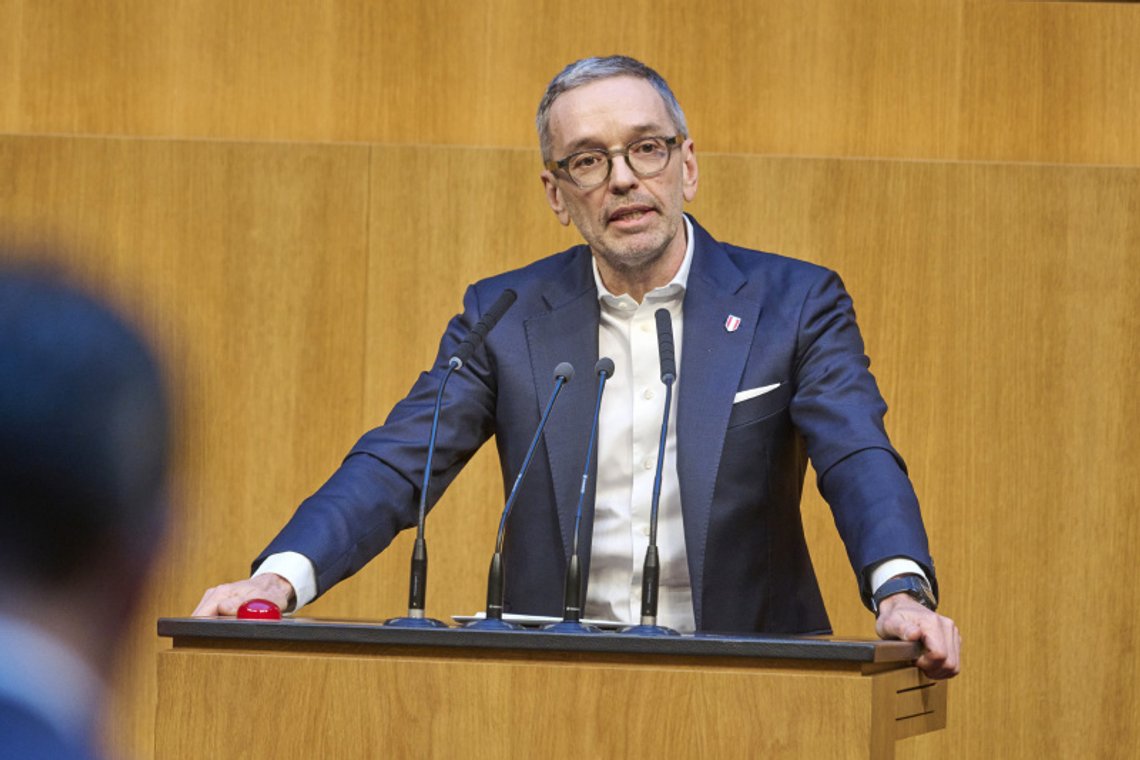
But Kickl is not yet entirely satisfied and believes the government should go even further. Following Saturday’s Islamist attack in Berlin, the Freedom Party leader said on Monday:
“Austria must draw the right lessons from these developments. The country needs effective border protection, consistent measures against illegal immigration and a determined effort to combat radical Islam. The safety of the people must be the highest priority.”
https://www.document.news/editorials/2026/07/we-have-tolerated-the-intolerant-for-long-enough


