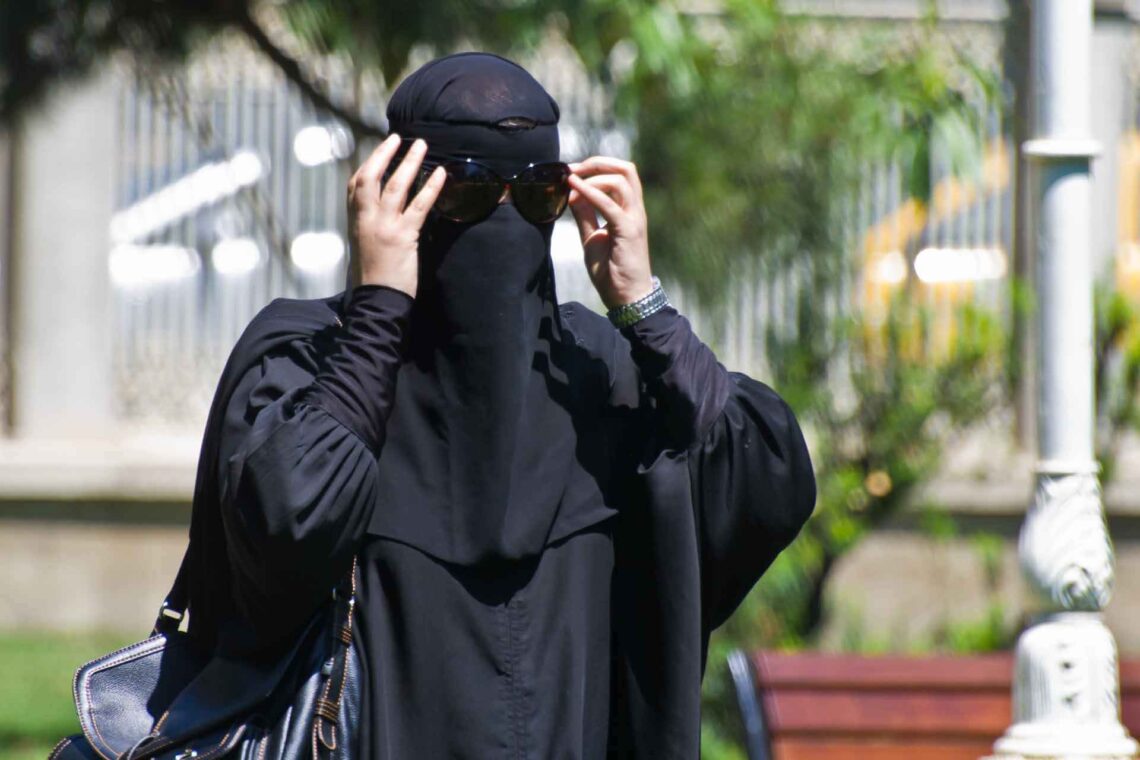
A Muslim woman who was fined 100 Swiss francs for wearing a burqa in a public place refused to accept the fine. She appealed the case, claiming that it was an expression of “Islamophobia”. But the outcome was the opposite of what she had hoped for.
The court in St. Gallen increased the penalty to 1,000 Swiss francs (approximately NOK 12,500). The judge justified the harsher sentence on the grounds that the woman had shown a lack of respect for Swiss law and had deliberately violated the ban on numerous occasions.
Swiss authorities make an example of the case
Switzerland introduced a nationwide ban on face-covering garments (burqas and niqabs) following a referendum in 2021. The ban enjoys strong public support and is intended to ensure social integration, security, and communication in the public sphere.
The case has attracted attention because it serves as an example that the Swiss authorities do not accept religious minorities placing themselves above the country’s laws. Several commentators point out that attempts to play the “Islamophobia card” in such cases often backfire.
This is not the first time such a case has resulted in a harsher penalty. In several European countries with similar bans, courts have signalled that repeated violations and an unwillingness to comply with national laws are met with stricter sanctions—even when they are challenged by activists seeking to portray them as discrimination.