In a report published by Iran International and covered in international media, the past few days have provoked strong reactions. The report contains witness statements regarding brutal abuses against Iranian healthcare personnel who assisted injured demonstrators at Rajaei Hospital in Tehran during the protests on 8 and 9 January.
Witness statements recount that staff at the hospital had been ordered not to treat demonstrators who had been shot during the protests. Despite the order, several nurses chose to do what every healthcare worker is obliged to do: to save lives.
Worse than bombs and war is the possibility that the regime survives
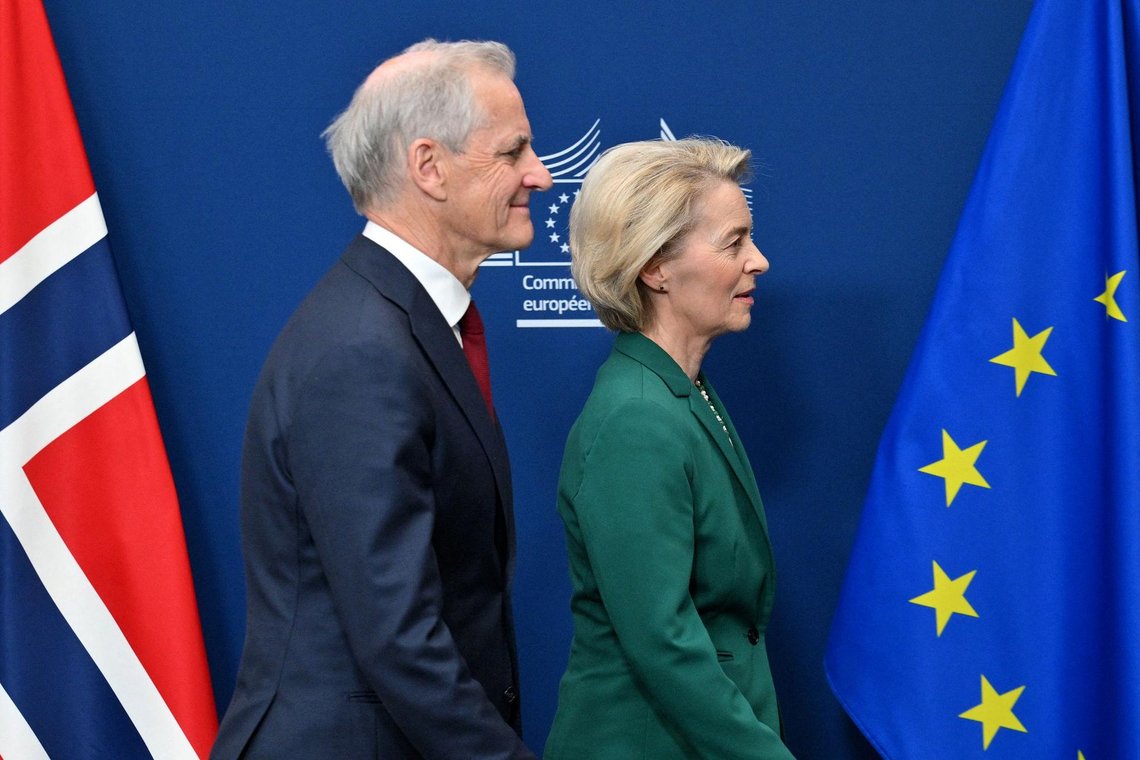
What, according to the report, happened afterwards is difficult not to react to. Security forces entered the hospital. Several nurses who had helped the injured were executed at close range; others were arrested. Two women were taken down to the hospital’s basement and brutally tortured and gang raped. One suffered such severe internal injuries that she had to undergo extensive surgery. Part of the intestine had to be removed, and she now lives with a permanent stoma bag. Before the operation, she is said in desperation to have asked the doctors to let her die. The other nurse is also reported to have sustained serious internal injuries and required surgery. Such stories leak out of Iran and confirm an image of a regime that does not respect human life. For Iranians, the stories are shocking, but not surprising. They confirm a pattern of violence against anyone who shows even the slightest solidarity with the demonstrators. At the same time, Iranians convey something that may appear paradoxical: they do not fear the sound of war and bombs. What they fear is that the conflict will end without the mullah regime being crushed. That would be the greatest tragedy: that the world turns its gaze away and that the regime survives. It is precisely here that Norway’s line appears difficult to understand. The government, with the Prime Minister at the forefront, has repeated its mantra: war is not the path to the democratisation of Iran, escalation is dangerous, Norway does not wish to be part of the conflict. In parallel with this, the Norwegian public sphere has reacted strongly to something entirely different: when the President of the Storting, Masoud Gharakhani, mentioned Pahlavi as a voice that Iranians themselves are bringing forward, this triggered strong reactions in parts of the Norwegian press. The criticism was intense—not because of the regime’s abuses, but because a name that Iranians themselves put forward was uttered in a Norwegian political context. This appears paradoxical. Norway claims to be in solidarity with the Iranian people, while references to opposition voices are met with dismay, at the same time as reports of abuses against the civilian population are downplayed and scarcely commented upon. Norway presents itself as one of the world’s most democratic countries. But democracy is not only about institutions and elections. It is also about political clarity. Is democracy a principle that Norway defends, or merely a phrase with which the country adorns itself? History tends, sooner or later, to provide answers to such questions.