

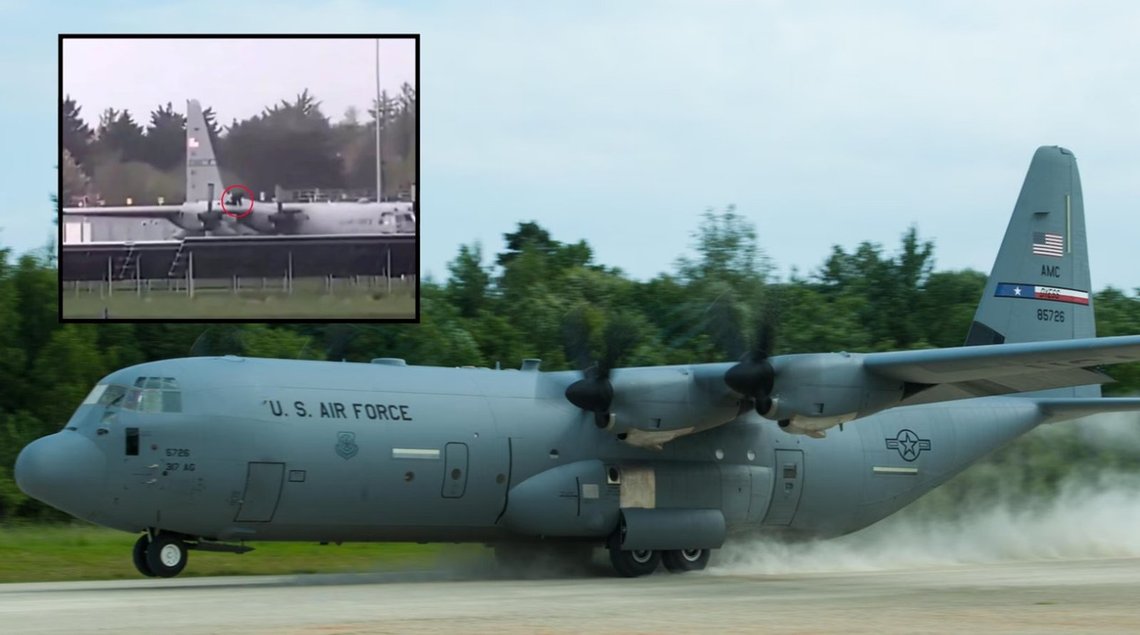


Daithi O’Corrain (48) spent several months planning the attack on a US military aircraft at Shannon Airport in Ireland. The damage was so extensive that the aircraft was declared a total write-off.
An Irish anti-Israel activist destroyed a US military aircraft worth 60 million dollars at Shannon Airport in Ireland on 11 April this year, reports the New York Post. The attack was carefully planned, federal prosecutors in New York said on Tuesday.
Shannon Airport is a key transatlantic hub for the US military. The aircraft was making a stopover when the attack took place, according to other media reports.
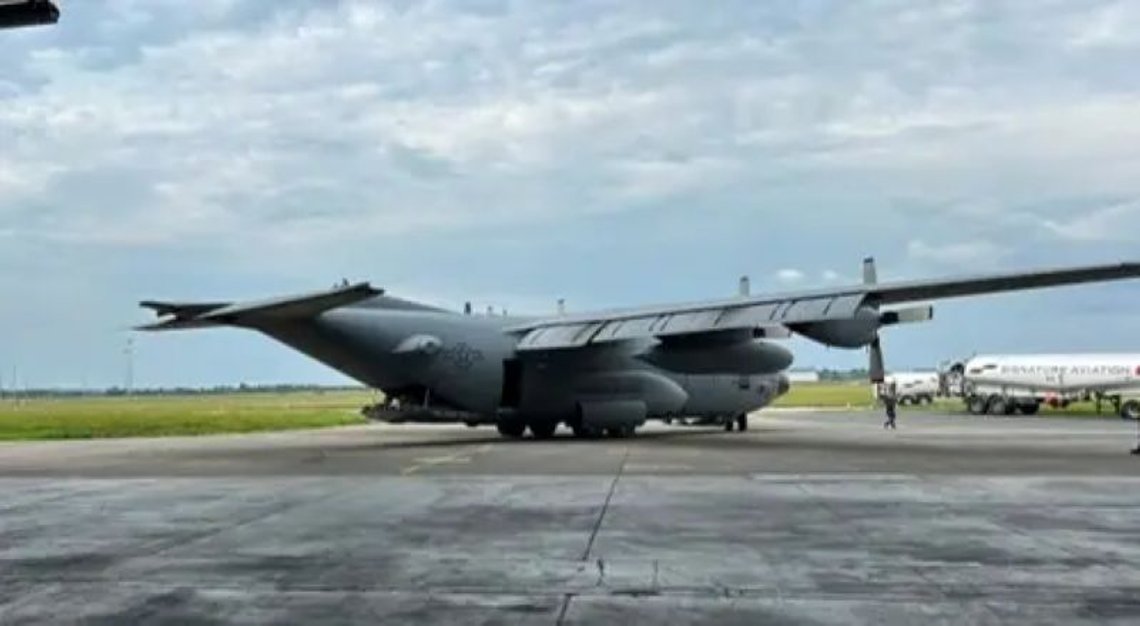
A C-130 Hercules aircraft belonging to the US National Guard, Shannon Airport. Photo: USDOJ
O’Corrain is currently in custody in Ireland and has been charged with destruction of public property. The offence carries a maximum sentence of ten years’ imprisonment, according to the New York District Attorney’s Office.
Little information is available about O’Corrain, apart from an online fundraising campaign, in which he is described as an independent peace activist, ‘independent peace activist’.
O’Corrain’s friends and ‘comrades’ describe the act of sabotage as an inspiring act of direct action in protest against what they call the US military’s unwanted presence in Ireland, the US’s illegal war and the country’s support for what they describe as Israel’s genocide.
Destroyed military aircraft worth 60 million dollars
According to the prosecution, Irish citizen Daithi O’Corrain sneaked past security guards and made his way into a parked C-130 Herculesaircraft belonging to the US National Guard. There, he vandalised the aircraft’s interior and technical systems.
O’Corrain, who also goes by the name David Curran, broke the aircraft’s locking mechanisms and barricaded himself inside using cable ties, door hinges and other equipment he had brought with him, according to court documents.
He then began to vandalise the aircraft. He cut electrical cables and hydraulic pipes, damaged fluid lines, smashed the instruments in the cockpit and punctured air ducts.
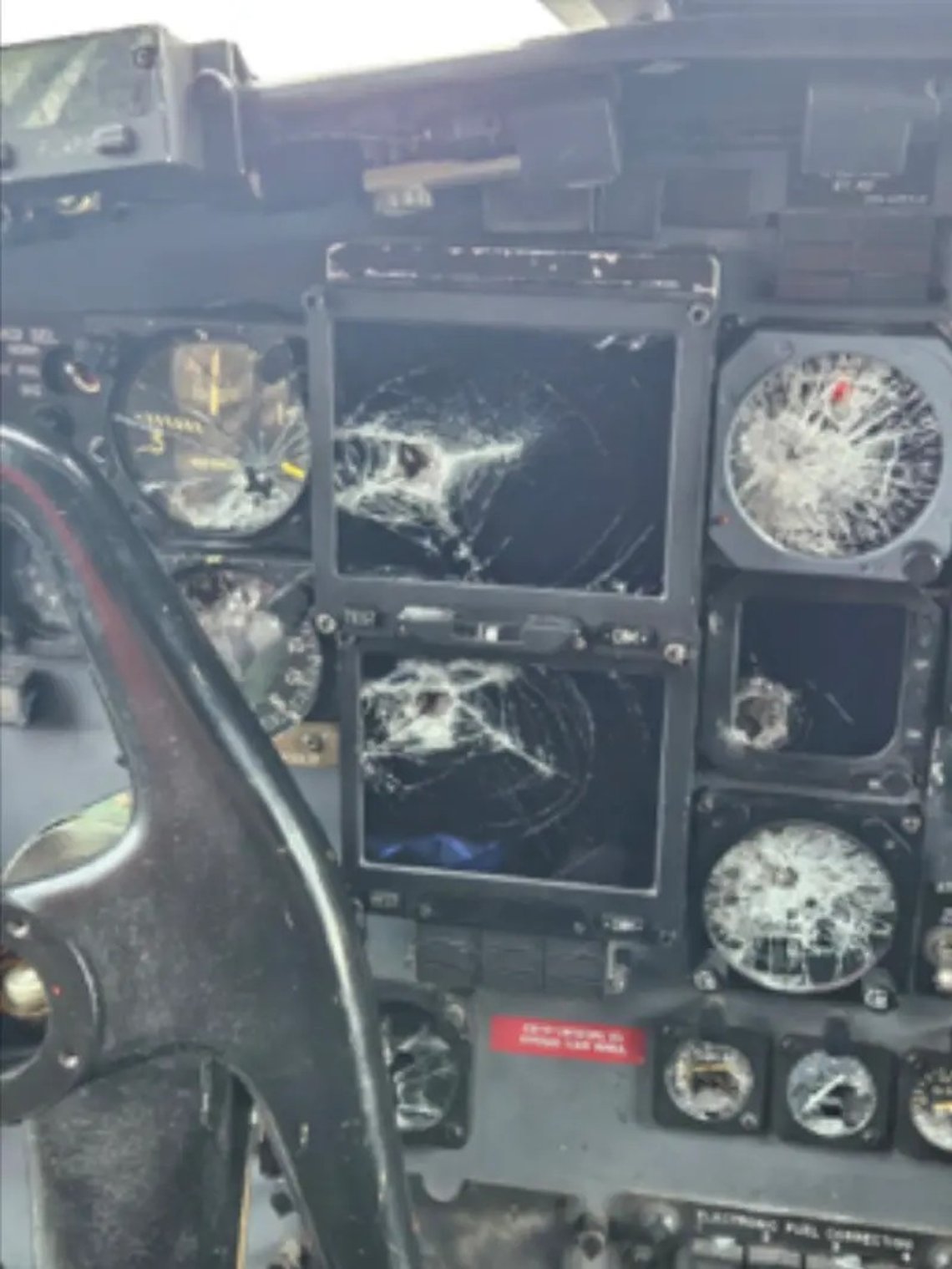
Photo: US Department of Justice
He was also carrying several capsules containing gallium, a metal that can damage aluminium by weakening its structure.
When the crew returned a few hours later to prepare the aircraft for departure, they spotted O’Corrain through a cockpit window and alerted security staff.
O’Corrain attempted to escape through a hatch in the ceiling, whilst continuing to cause damage.
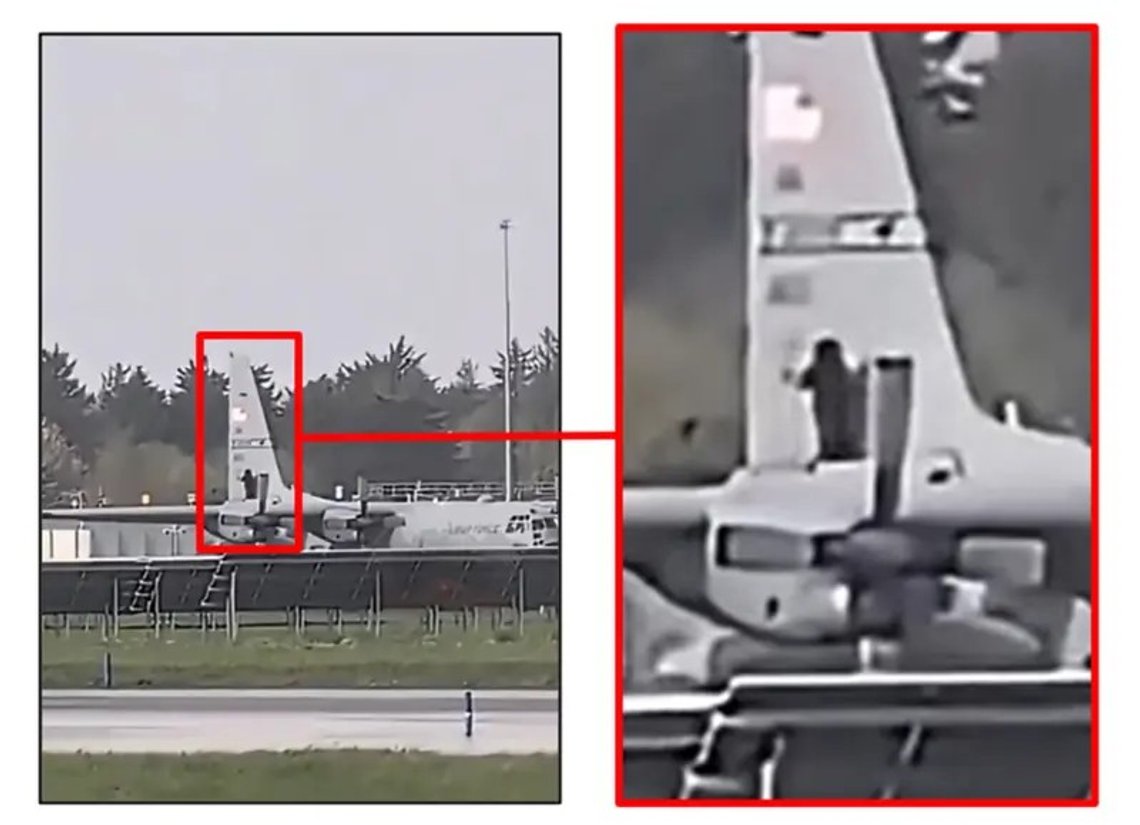
Photo: USDOJ.
He struck the exterior of the aircraft with an axe and poured unknown substances and objects, including ball bearings, into the fuel tanks, according to court documents.
The video was filmed by eyewitnesses and shows O’Corrain striking the aircraft with an axe.
Shortly afterwards, he was arrested by the Irish authorities.
The aircraft was so severely damaged that it was declared a total loss and will not return to active service.
The image shows some of the damage to the exterior of the aircraft.
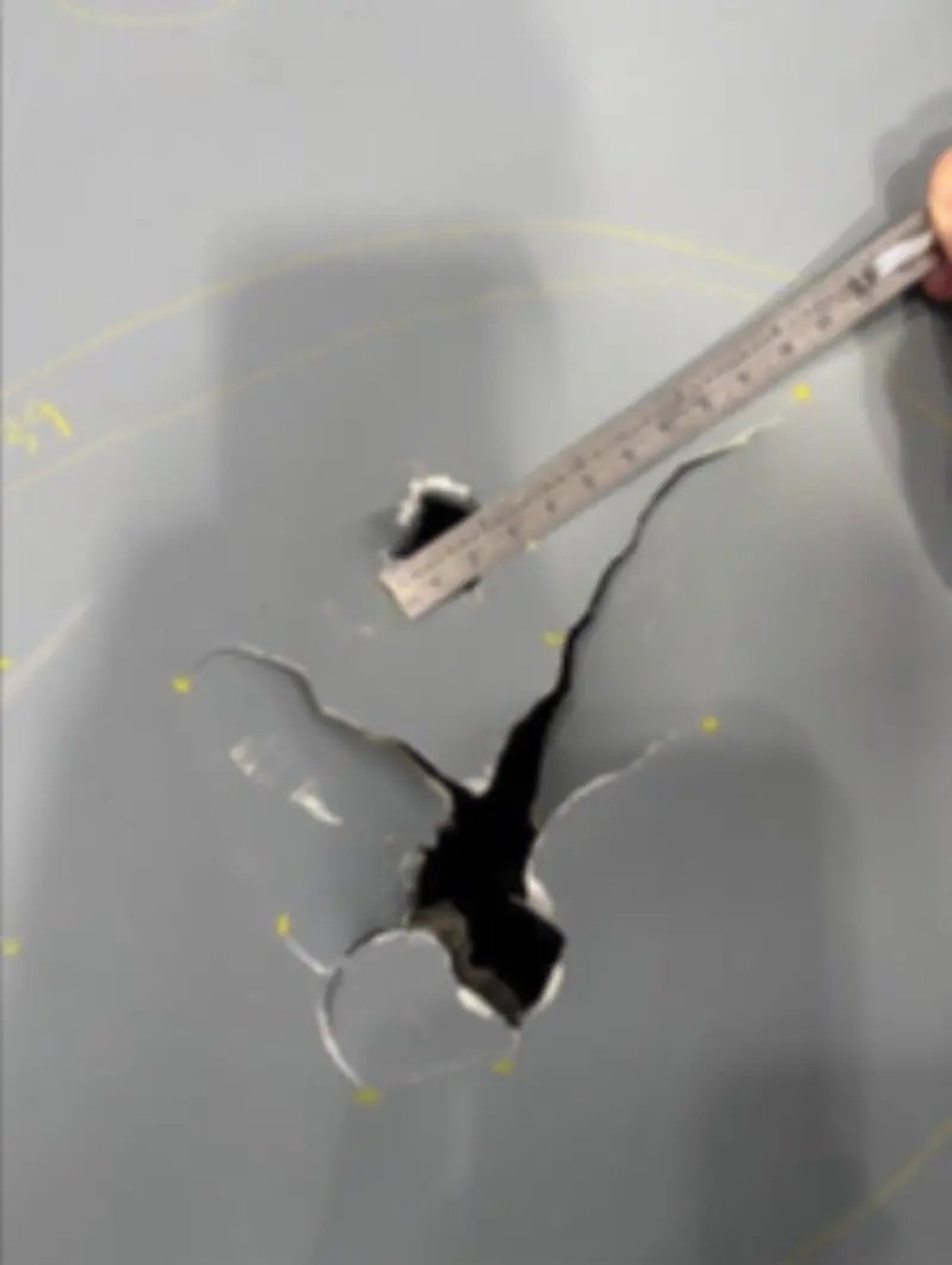
Photo: USDOJ.
Spent months planning the attack
According to the prosecution, O’Corrain had been preparing the sabotage operation for several months.
He researched the aircraft’s design, purchased gallium and looked for places where he could gain access through the security perimeter around the airport.
He also subscribed to an app that tracks air traffic, including military aircraft, and researched previous attacks on US military aircraft.
“This was no spontaneous act of vandalism. The defendant spent months researching the aircraft, acquiring equipment and planning how he could cause the greatest possible damage,” said FBI Assistant Director James C. Barnacle Jr.
Barnacle emphasised that the attack caused tens of millions of dollars’ worth of damage and jeopardised vital military operations.
– “The indictment sends a clear message that attacks on US military property and our national security will not be tolerated,” said US Attorney Jamie McDonald.
Several people have questioned how O’Corrain was able to get past security guards, break into a US military aircraft and cause extensive damage to it without being detected until several hours later.


