

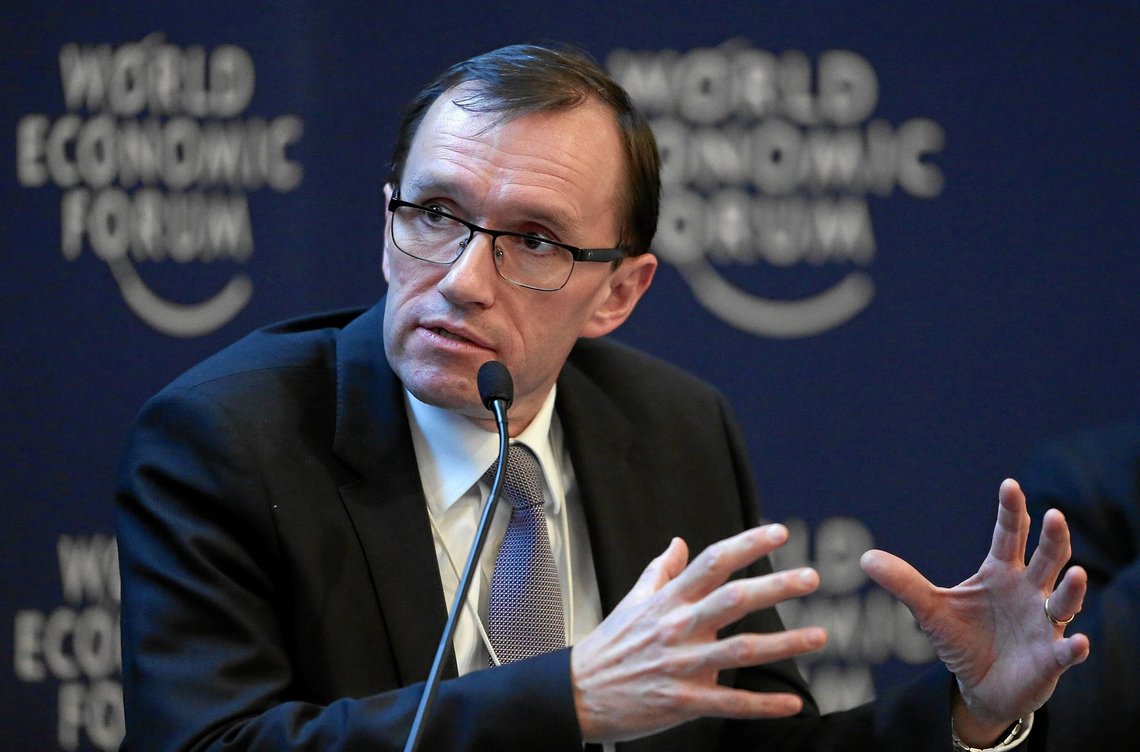
On Thursday, Espen Barth Eide appeared before the Control Committee to give evidence on the Epstein case.
He denied having had any contact with Epstein. He dismissed the suggestion that there is any kind of toxic culture within the Ministry of Foreign Affairs. He assured the committee that Norway’s reputation abroad remains as strong as ever. The problem is that almost none of this is consistent with his own actions over the past year.
“I would caution against concluding that there is a culture of misconduct within the Ministry of Foreign Affairs based on the actions of one or a few individuals. I do not perceive it to be the case,” said Barth Eide during the hearing.
This is coming from the man who, in February, personally relieved Ambassador Mona Juul of her duties whilst the Ministry of Foreign Affairs launched its own investigation into what she knew about Epstein and what contact she had had with him. You do not do this in response to a single, isolated mistake. You do this when you yourself fear that the problem runs deeper than he is now willing to admit publicly.
Barth Eide has himself served on the board of a similar foundation. From 2013, he sat on the board of the Centre for Humanitarian Dialogue; from 2016 as deputy chair; and from 2019 until he became a minister in 2021 as chair. The foundation has received between 28 and 84 million kroner annually from the Norwegian authorities in recent years, totalling over 800 million kroner since 2009. The same type of arrangement, the same type of close ties between Norwegian foreign policy and privately funded foundations, is now being investigated in the Epstein case through Terje Rød-Larsen’s International Peace Institute.
It is no secret that Barth Eide has opposed a genuinely independent investigation of the Ministry of Foreign Affairs. Instead, he has proposed an external review conducted by the Storting itself. Given that the Minister himself has sat on a board funded in the same way as the one he is now tasked with assessing, one might well ask why he is so reluctant to let anyone other than himself into the engine room.
The International Peace Institute received around 130 million kroner in Norwegian funding whilst Rød-Larsen headed the think tank. The funding peaked during Børge Brende’s time as Foreign Minister, but continued through several governments and under several ministers.
As early as November 2019, a warning emerged that young, unqualified Eastern European women were being given jobs at the think tank. The jobs are said to have been linked to money from Epstein. The Ministry of Foreign Affairs forwarded the report to the Director of Public Prosecutions, who instead allowed the US authorities to deal with it. No one in Norway actually followed up on where the money had actually gone, or who knew what.
This is not the story of a few missteps by individuals, as Barth Eide would have us believe. It is the story of a system that knew, and which chose to look the other way, year after year, regardless of which party was in power.
As early as February, when the Juul case broke, he promised the same thing.
“There is equality before the law – and then we will restore trust,” Barth Eide told NRK at the time.
Eight months later, he is effectively saying the same thing in the Storting. It is a fine phrase to repeat. It demands nothing of him. If trust is actually to be rebuilt, he must start by stopping telling Norwegians that this is largely about a few individuals who did something wrong.
He himself was part of the system that allowed it to happen.


