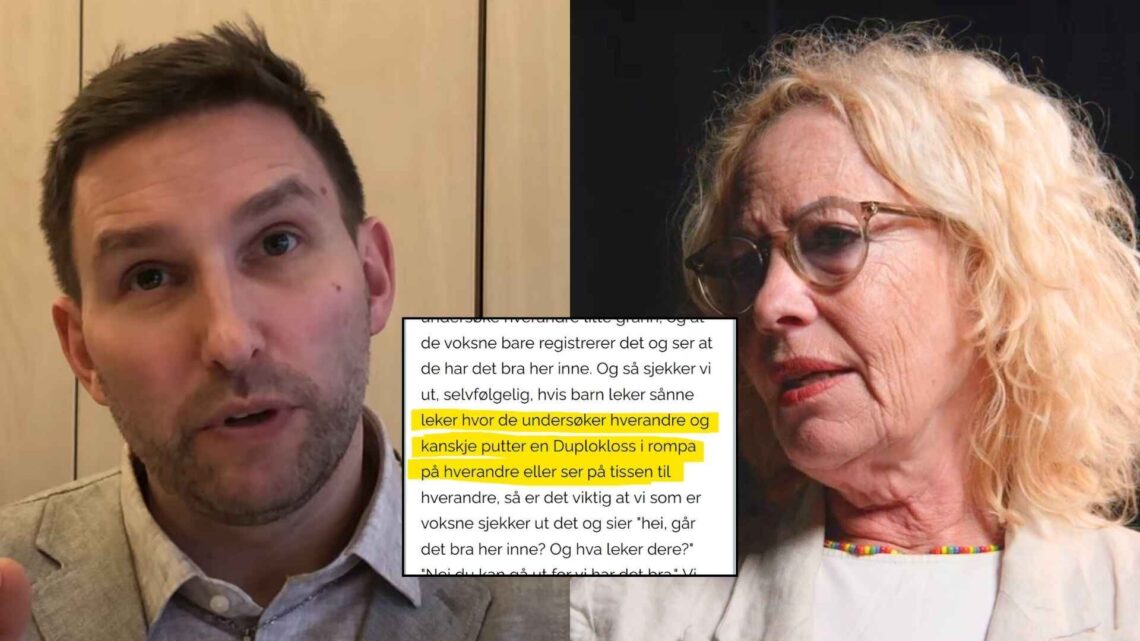
Norwegian kindergartens are filled to the brim with perverse sexuality, where adults deliberately set out to influence children at a terrifyingly early age. Vigilant parents are the only thing that can stop it.
A video by Truls Olufsen-Mehus has been viewed around one million times. In it, he tells how parents and staff have reported sexual activities in kindergartens – in what he calls a “fuck room”. Faktisk.no stepped in and “fact-checked” the claim. The conclusion? There is no such thing as a “fuck room”.
What Faktisk.no doesn’t mention is that there are often rooms that are used for “sex toys”.
To understand this, you have to read the material that Norwegian kindergarten staff are actually trained in. This opens up a world that most parents have no idea exists.
The government’s own guide
The Norwegian Resource Centre for Violence, Traumatic Stress and Suicide Prevention (RVTS) has produced its own kindergarten guide on children’s sexuality. It is actively used in the training of kindergarten staff throughout the country.
It states that children between the ages of zero and three “may show signs of sexual arousal”, that boys get erections and girls “produce moisture in the vagina” – and that this “already happens in the foetal stage”. Children in this age group “like to touch their own genitals” and “are curious about their bodies, both their own and those of others, and like to touch other people’s genitals and breasts”.
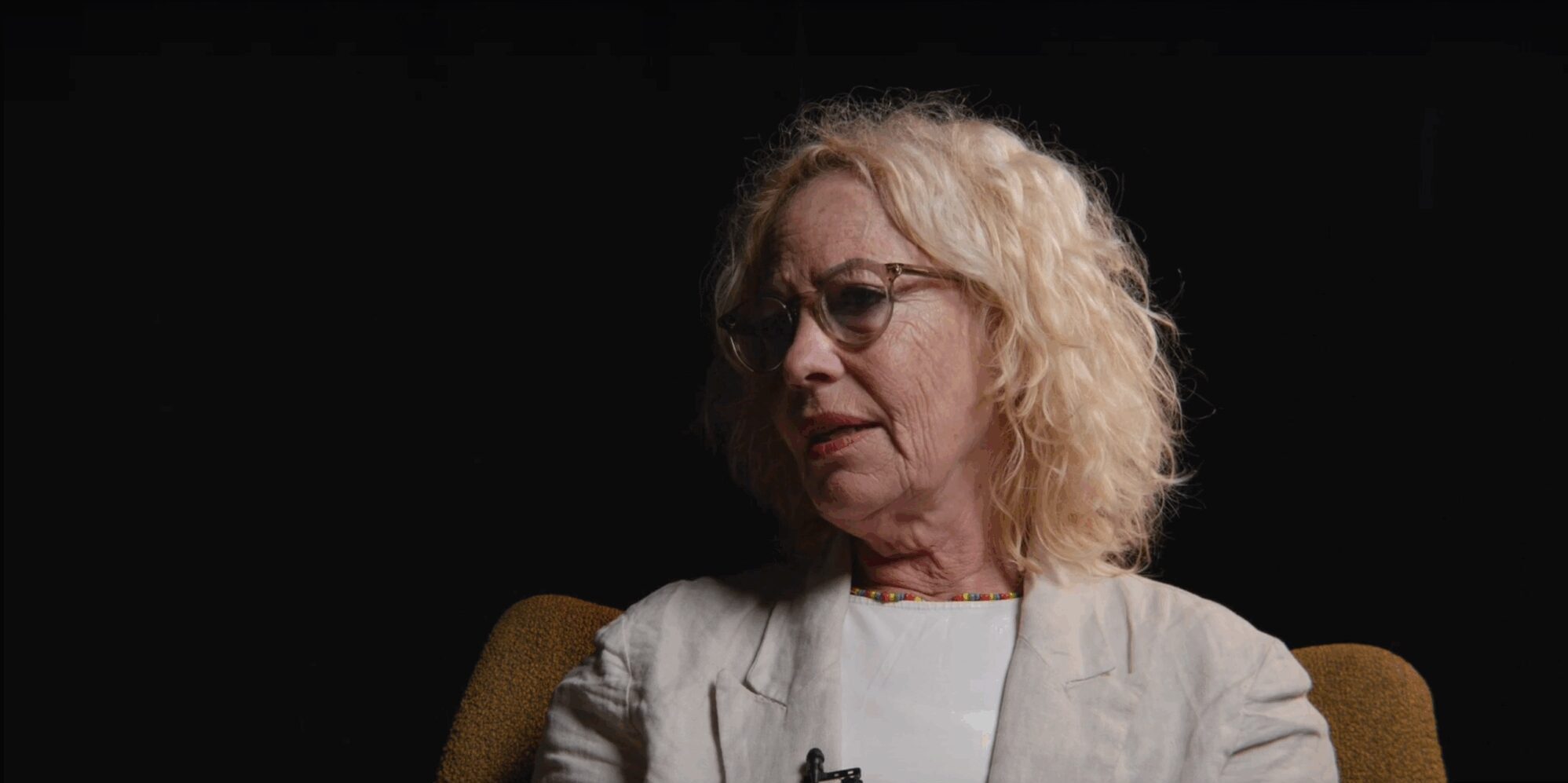
Aasland also uses herself as an example, saying that she “fucked Ellen from the age of 6” – but emphasises that there was no penetration. This is presented as something all adults have done, only they don’t dare talk about it.
The guide also recommends that kindergartens should have mirrors available so that girls can inspect their own genitals, because “boys can stand in the mirror and look, while girls may have to look a little more underneath”.
RVTS is not a marginal player. It is a state-funded centre of expertise. This guide is its curriculum. It shapes how kindergarten staff across Norway think about and deal with children’s bodies and sexuality.
Pia Friis and Kanvas: 20 years with the same message
When Faktisk.no and NRK interview retired kindergarten teacher Pia Friis, she presents herself as misunderstood. Her statements are taken “completely out of context”, she claims.
But the context is overwhelming. Over two decades, Friis has consistently gone to the media with the same message. In 2007, she told Dagbladet that children can play “doctor games, bum games, fuck games”, dance naked and masturbate, and that “this should not be stopped”. The limit? That they must not “stick things up each other.”
She repeated this to barnehage.no in 2017. To Aftenposten in 2019, she elaborated. And in the “Talk to children” tool she developed for Kanvas, with support from the Ministry of Health and Care Services, she writes in black and white that “children’s sexual play will often take place in smaller rooms or slightly more hidden arenas” and that staff should “give them freedom and space for play and exploration”.
Friis says she doesn’t use the term “sex play” because “children don’t have sex – they play sexual games”. This semantics is the only defence she has left. Children don’t put Duplo bricks up each other’s arses as part of sex – they do it as part of sexual play. The difference is clearly crucial to everyone but the parents.The guru: Thore Langfeldt
This whole mindset has an ideological ancestor in Norway: sexologist and psychologist Thore Langfeldt. He is described by the radical doctor who has lost his authorisation, Espen Esther Pirelli Benestad, in the Store norske leksikon as “a pioneer in the description and education of children’s sexuality”.
In his book “Barns seksualitet” (Children’s sexuality) from 2000, Langfeldt writes that adults should “simply” refrain from getting involved in sexual games. He describes how children should be allowed to masturbate and explore each other sexually without interruption. In the book, he tells the story of two boys who started having sex at the age of five or six and, after ten years of regular sex, “did almost everything with each other”. This is described as healthy and positive sexuality.
But Langfeldt’s background deserves far more attention than it has received. Blogger Dag Fallet has documented in a thorough timeline that in 1977 Langfeldt lectured at a conference in Swansea where several other speakers were well-known paedophilia activists, including Tom O’Carroll of the British Paedophile Information Exchange (PIE).
Langfeldt’s talk was used as a source in O’Carroll’s book. Langfeldt also participated in the conference “Amnesty for Love and Affection”, organised by the Norwegian organisation NAFP – Pedofil Arbeidsgruppe at the University of Oslo.
In an article for a pornographic magazine, Langfeldt wrote that it is “natural for adults to be turned on by sex and also by sexual behaviour or sex toys in children”. The article was illustrated with close-ups of children’s genitals.
It is this man’s ideological legacy that today forms the basis of the RVTS counsellor, Kanva’s pedagogy and the state’s view of children’s sexuality.
The ideological foundation: Alfred Kinsey
Langfeldt does not stand alone. As Dag Fallet documents, the entire “sex positivity” movement around children’s sexuality is based on the work of the American sexologist Alfred Kinsey. Kinsey argued that children are “extremely sexual” from birth, and that early sexual activity makes for safe and calm children.
What Kinsey didn’t tell the public was that his “research” on child sexuality stemmed from interviews with men who sexually abused over 300 children – 77 of them under the age of five. The abusers were fitted with stopwatches to measure how quickly the children reached “orgasm”.
When the RVTS guide states that children “can show signs of sexual arousal” from infancy, and that they “produce moisture in the vagina as early as the foetal stage”, it is the premises of this research tradition that form the basis.
Parents are left out
Truls Olufsen-Mehus tells Document that since the video went viral, he has received a number of enquiries from parents and kindergarten staff confirming similar practices.
<"I went to a four-year check-up myself with my child, where the brochure said that I should talk to the child about sexual identity and sex. At the four-year check-up," he says.
Most disturbing is what he says about the sexology conference in Oslo in 2023:
“We had an observer there. One of the sexologists said that Norwegian parents are too conservative, and that when they find out that sexologists are coming to visit the kindergarten, they keep their children at home. That’s why they tend not to speak up. I have received confirmation of this from several parents.
If this is true, it means that professionals are deliberately circumventing parents’ right to be informed – a right that is enshrined in the Norwegian Constitution through the Right of Parents.
Olufsen-Mehus also says that parents and employees who have tried to report have been threatened with being reported to the police.
“There is fear out there. People are afraid to come forward.
An unpleasant consequence
Olufsen-Mehus points to a dimension that should worry far more people than the Christian conservative movement.
If this view is rolled out widely in kindergartens – that children should be allowed to engage in sexual play behind closed doors without adult interference – it will be very easy for a paedophile to know where to apply for a job.
That’s a point that you don’t need religious conviction to understand. A system that normalises children being naked with each other in sheltered spaces without adult supervision, and where staff are instructed not to intervene, is a system designed to be exploited.
The fact checker who didn’t check anything
Back to Faktisk.no. Their article is titled “Claims that kindergartens have ‘pulerom’: – No grounding in reality”.
They contacted Kanvas, who said that they do not have a pool room. They contacted Bufdir, who said that they do not recommend separate rooms for nude activities. Case closed.
But in their own article, Faktisk.no quotes from Friis’s “Snakk med barn” tool, which states that children’s sexual play should take place “in smaller rooms or slightly more hidden arenas”. They just can’t problematise it. Because Faktisk.no is not a “fact checker”, but an ideological thought centre to speak out clearly about what is okay to say and what is not.
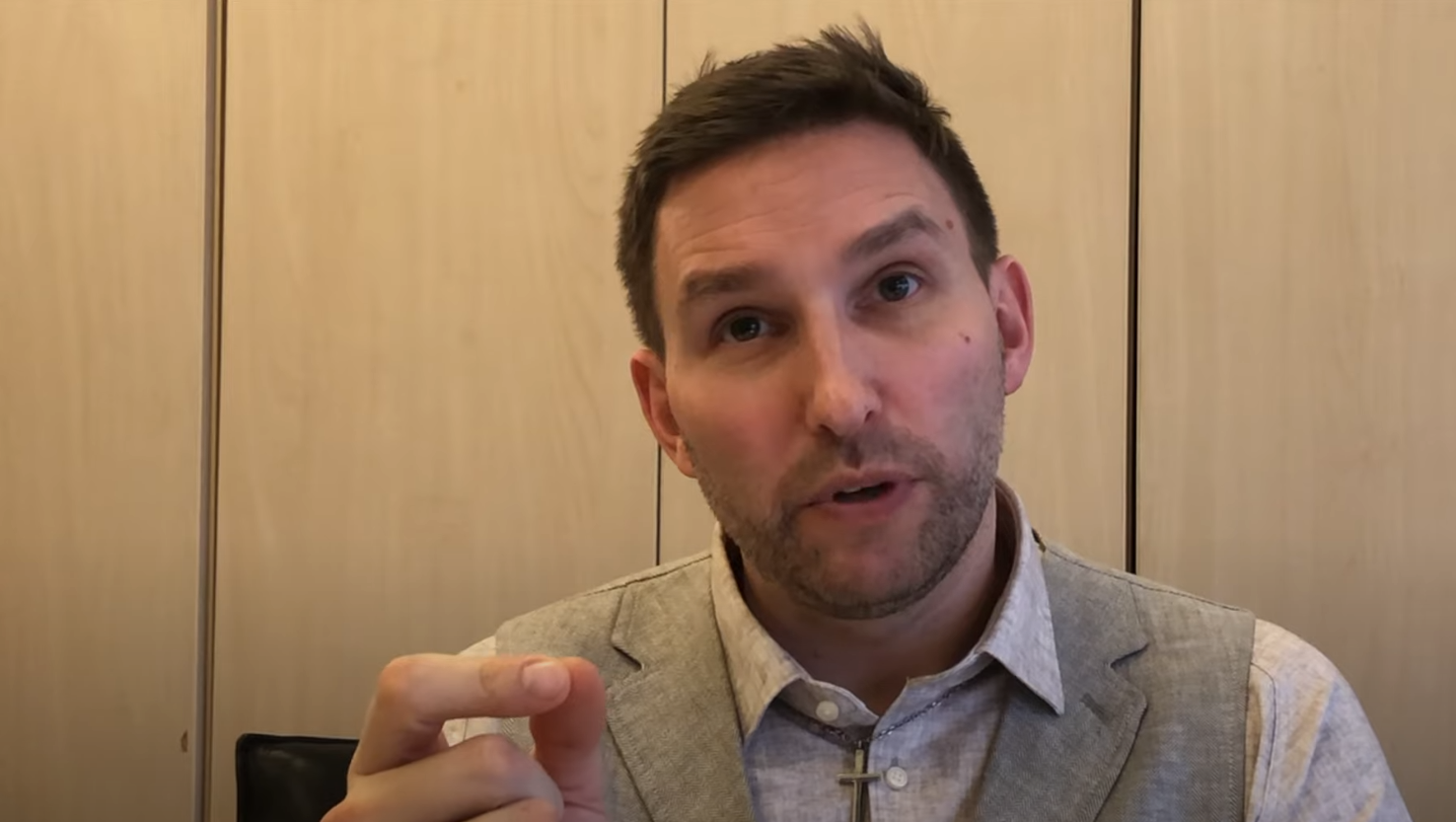
VILT: Truls Olufsen-Mehus, who is part of the Christian Resource Centre and a politician for the Conservative Party, thinks it’s absolutely crazy how this takes place in front of our eyes in kindergartens. Photo: Still from Verdinytt
Now that the fact check has been published, the clear message to all politically correct people in Norway is that this is not an acceptable debate. Everything you are now saying is just “fake news”, even though I see it with my own eyes inside the tools used in kindergartens.
They didn’t check the RVTS guide. They didn’t check Langfeldt’s background. They didn’t ask Kanvas what happens when two children close the door to a room and undress. They didn’t ask Bufdir if they share the premise that children are sexual beings from birth. They checked a word – “fuck room” – and found that it is not used officially. And that was enough.
The difference between a “fuck room” and a “small, suitable room where children can play fuck games in peace” is the difference between “untrue” and “completely unproblematic”. At least according to Faktisk.no.
Parents need to wake up
Olufsen-Mehus is right about one thing: This won’t go away on its own. The ideology is rooted in government strategies, in centres of expertise, in the professional literature and in the day-to-day practice of kindergartens. The Norwegian Directorate of Health’s strategy for sexual health states that “the foundation for good sexual health is laid in early childhood”. The government’s action plan describes “good sexual health” as a prerequisite for a good life – even for the youngest children.
What is needed is for parents to read the material that actually shapes their children’s everyday lives. The RVTS guide is openly available. The Kanvas “Talk to children” tool is also available. Langfeldt’s books can be ordered from the library. Read it. And ask yourselves: Is this the practice you want for your children?
For those who take the trouble, it’s a discouraging read. Not because it’s about children being curious about their bodies – of course they are. But because it systematically confuses children’s natural body exploration with an ideological construction of “child sexuality” that serves adult agendas far more than children’s needs.
Buy “Normløst” by Kjell Skartveit here!