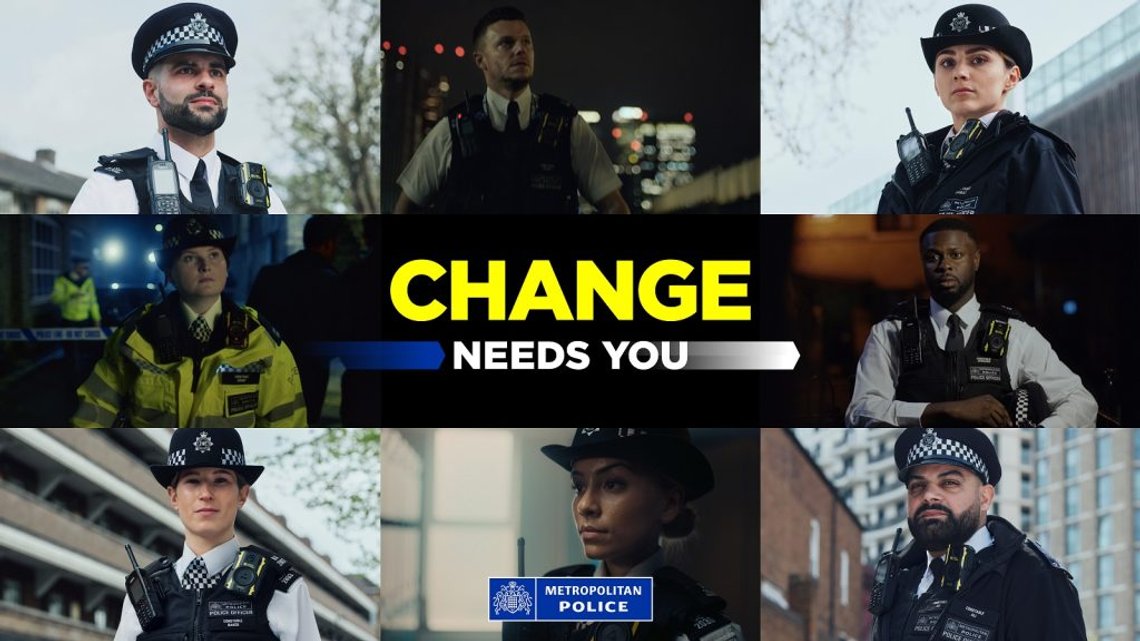


The Metropolitan Police in London have for years prioritised diversity, inclusion and equity (DEI) over public safety.
In the past week, there have been several revelations about the consequences of such prioritisations. Even rapists have been hired as police officers, writes retired police officer Paul Birch in Spiked Online.
Another grotesque example of police misconduct is police officer Wayne Couzens, who used Covid laws to kidnap, rape and murder Sarah Everard in 2021.
Couzens was accused of indecent exposure twice before the murder, without the Met Police properly investigating the cases.
For the Met, “diversity” has appeared more important than protecting citizens and preventing or investigating crime.
A secret panel, set up in 2018 and disbanded in 2023, “reconsidered” rejected applications from black and minority ethnic (BAME) communities in a bid to help the Met achieve the diversity targets set by the then head of the Met Police, Cressida Dick.
During its existence, the panel overturned the previous rejection for 114 applicants on the basis of DEI. 25 of those 114 have since been convicted of assault, drug offences and other crimes.
David Carrick, a serial rapist, applied and was granted his application to become a police officer despite numerous “red flags”. There are a number of such examples.
An investigation shows that the Met Police failed to carry out adequate background and security checks on more than 20,000 applicants between 2013 and 2023.
The Met Police proudly reported the growth in the number of BAME recruits, in a manner reminiscent of how factories reported production growth to satisfy five-year plans in the Soviet Union, Birch writes.
Police today are largely judged by their DEI strategies. So much so, in fact, that they often seem to prioritise the diversity of their workforce over preventing and solving crime.
Dick’s successor, Sir Mark Rowley, is on the same page. In an interview with the Independent in July 2024, Rowley said:
“About 25 per cent of our recruits are from African, Asian or minority ethnic backgrounds. The proportion of female recruits is now around 40 per cent, so I think our diversity is increasing. It’s not quite where we want to be, but it’s going in the right direction.”
The justification for this obsession with diversity is the desire to have a police service that “reflects the community it serves”. But if crimes are committed, do the victims really care about the colour of the skin or the sexual preferences of the police officers assisting them?
Birch says his experience says no, he didn’t experience that. The victims focus on completely different things.
They wanted me to investigate the offence and work with them in a professional and sensitive way. They certainly didn’t care about my ethnicity.
British police, and the Metropolitan Police in particular, are suffering from a woke rot, Birch believes.
Public trust in the police, already at historic lows, will be further eroded if recruits’ abilities are subordinated to DEI targets.
The evolution of British policing is a major scandal, says Birch.
Through a combination of sheer laziness and racist prejudice, the police have undermined the safety of the public. Heads should roll for this failure.
Similar developments can be seen in many other countries in Western Europe, particularly here in the Nordic countries, . But the UK media has at least begun to discuss the problems such practices can cause.
It’s also rare for diversity hysteria to be portrayed as a problem in the mainstream media here in the north.