

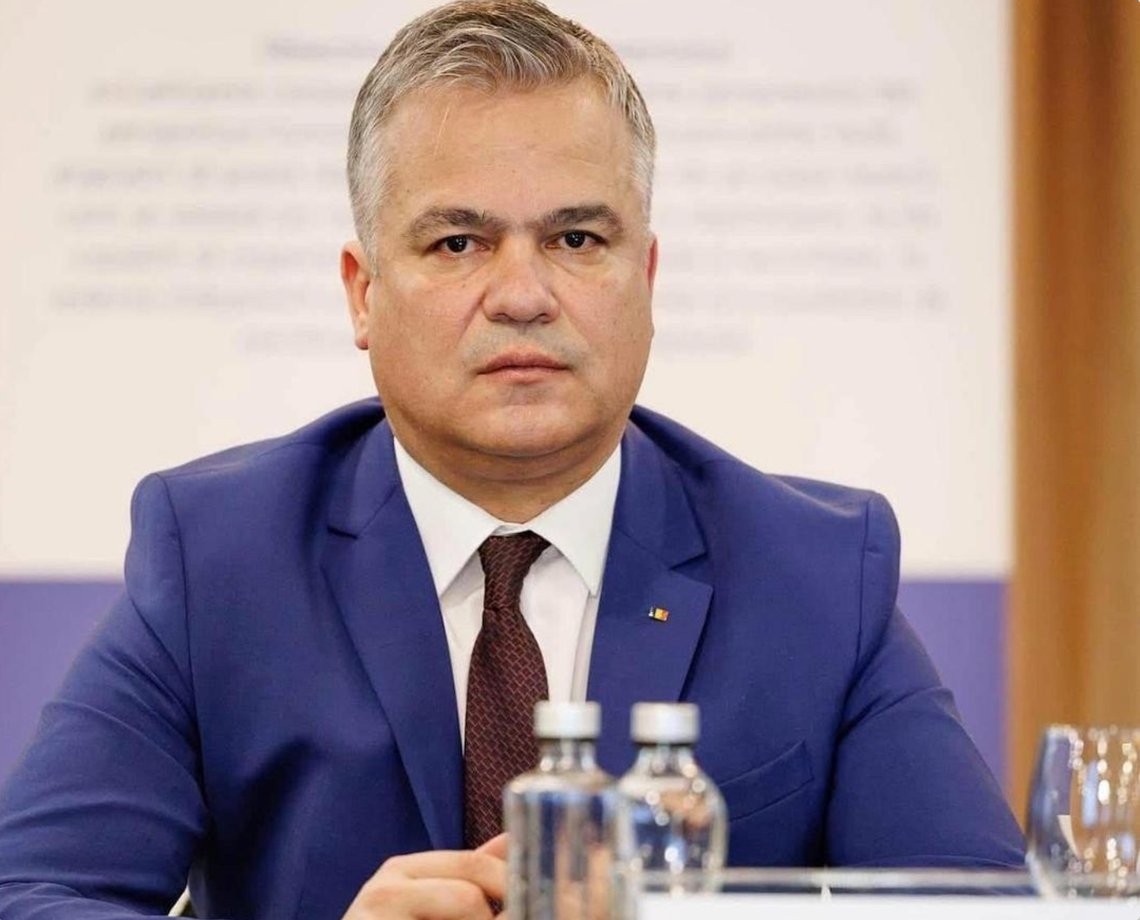
First, the National Assembly in Romania toppled the EU-friendly Prime Minister Ilie Bolojan. That was on 5 May. On Monday, half of the National Assembly responded by staying away when it was time to vote on a new prime ministerial candidate – Adrian Vestea from the centre-right-oriented National Liberal Party (PNL). Even though Vestea received 189 votes and only 23 voted against, it was of no use when the majority stayed at home.
Thus they sabotaged the nomination of Vestea.
Parliament has 465 seats, and only 212 were present. This is a massive sabotage that reflects the power struggle in Romania.
On one side a national-conservative movement, on the other an EU-friendly one.
It began with Călin Georgescu being rejected as a candidate in the second round of the 2024 presidential election, to the acclaim of the EU, which hinted that a similar setting aside of the voters could become relevant if the Germans chose AfD.
A new president, Nicosur Dan, was elected, and he is EU-friendly. But then the Supreme Court concluded that the rejection of Georgescu was unconstitutional.
Romania has gone through severe political instability in recent years and has had eleven prime ministers since 2015, on average one per year.
Romania represents the EU’s eastern flank, and the EU does not want national forces to win. The EU has begun to interfere in Romanian politics, and makes no secret of it.
Romania i politisk krise: Regjeringen felt – Georgescu tilbake på banen


