

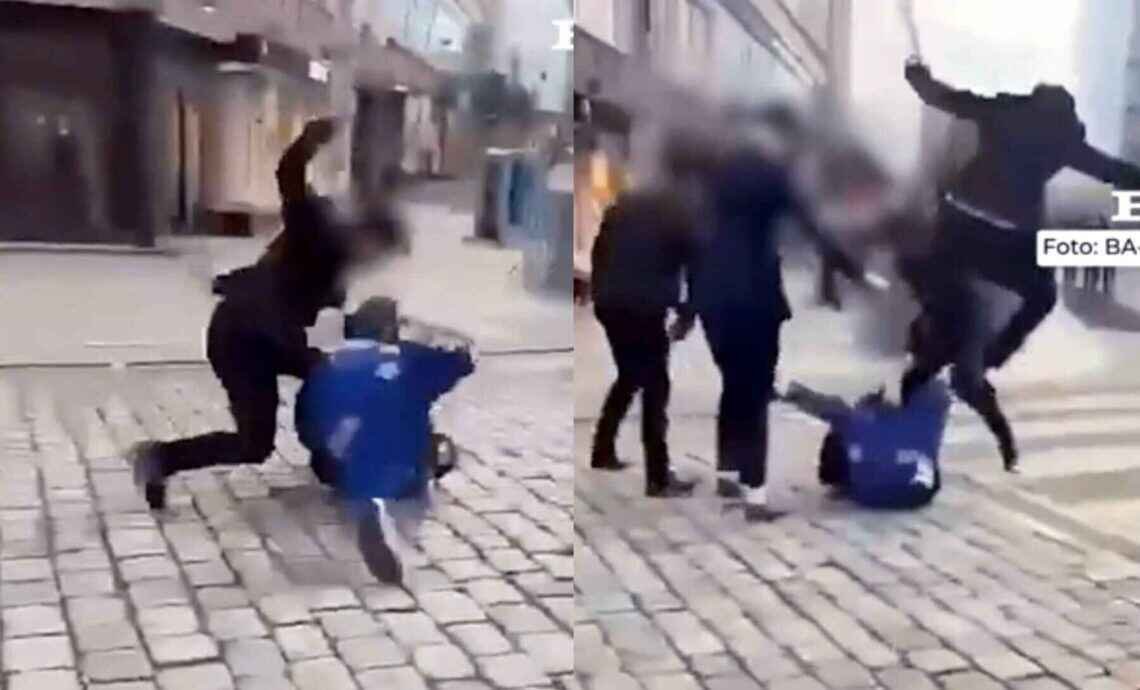


Four foreigners in suits assaulted a lone 17-year-old Norwegian in Strandgaten in Bergen, kicking, punching and jumping on him while he lay on the ground.
It happened between 20:00 and 21:00 on 17 May. The upper secondary school graduate (russ) was left bloodied, suffered injuries to his face and head, and remains on sick leave.
That is what the case is about.
But that is not what the case has been about in the mainstream press.
In the days that have followed, the Norwegian media landscape has spent its time on an entirely different story. Bergensavisen censored the video, placed the case behind a paywall and deleted the entire Facebook post when the comment section dared to mention the ethnicity of the perpetrators. The newspaper subsequently changed the word “men” to “boys or men” in its own coverage.
Klassekampen used thousands of words to describe how painful it is now for the 16-year-old that people know who he is. Lawyers have been hired, not to assist the victim, but to report those who identified the perpetrators. The chairman of the Storting’s Justice Committee, Jon Helgheim (Progress Party), has now himself been reported to the police. For having shared an image from a violence video. Of an incident half of Norway had seen.
That is where we are.
They are not children. The press in general calls them “minors”. Klassekampen calls them “children”. The police now say they are under 18 years old, not 18–20 as first reported.
Let us be precise.
Minors in the legal sense may very well be men. These four display, according to the video, a use of violence that testifies to extensive experience. They did not strike in the heat of the moment. They surrounded a boy walking alone. They knocked him down. They kicked and punched him while he was down. They jumped on him.
That is not childlike behaviour.
It is gang-like, coordinated violence against a lone Norwegian boy, carried out in broad daylight, in the middle of Constitution Day.
The protection afforded to the perpetrators is exceptionally great for one reason. And one reason only.
It is as though we have all forgotten an utterly basic observation: Norwegian minor perpetrators do not receive the same protection in public as the four in the present case receive. Norwegian boys involved in fighting, drugs or vandalism are described far more directly. The tabloids have never had scruples about writing about Norwegian youths who have “gone down the wrong path”.
When the perpetrators are foreigners, everything changes.
That is when the press begins writing “boys” instead of “men”. That is when BA deletes the Facebook post because someone in the comments pointed out the obvious. That is when the police consider reporting a member of parliament for naming a pattern.
That is when lawyers work overtime to protect the identities of the perpetrators.
That is when a politician demands that the chairman of the Justice Committee be removed — for having said what the newspapers would not say.
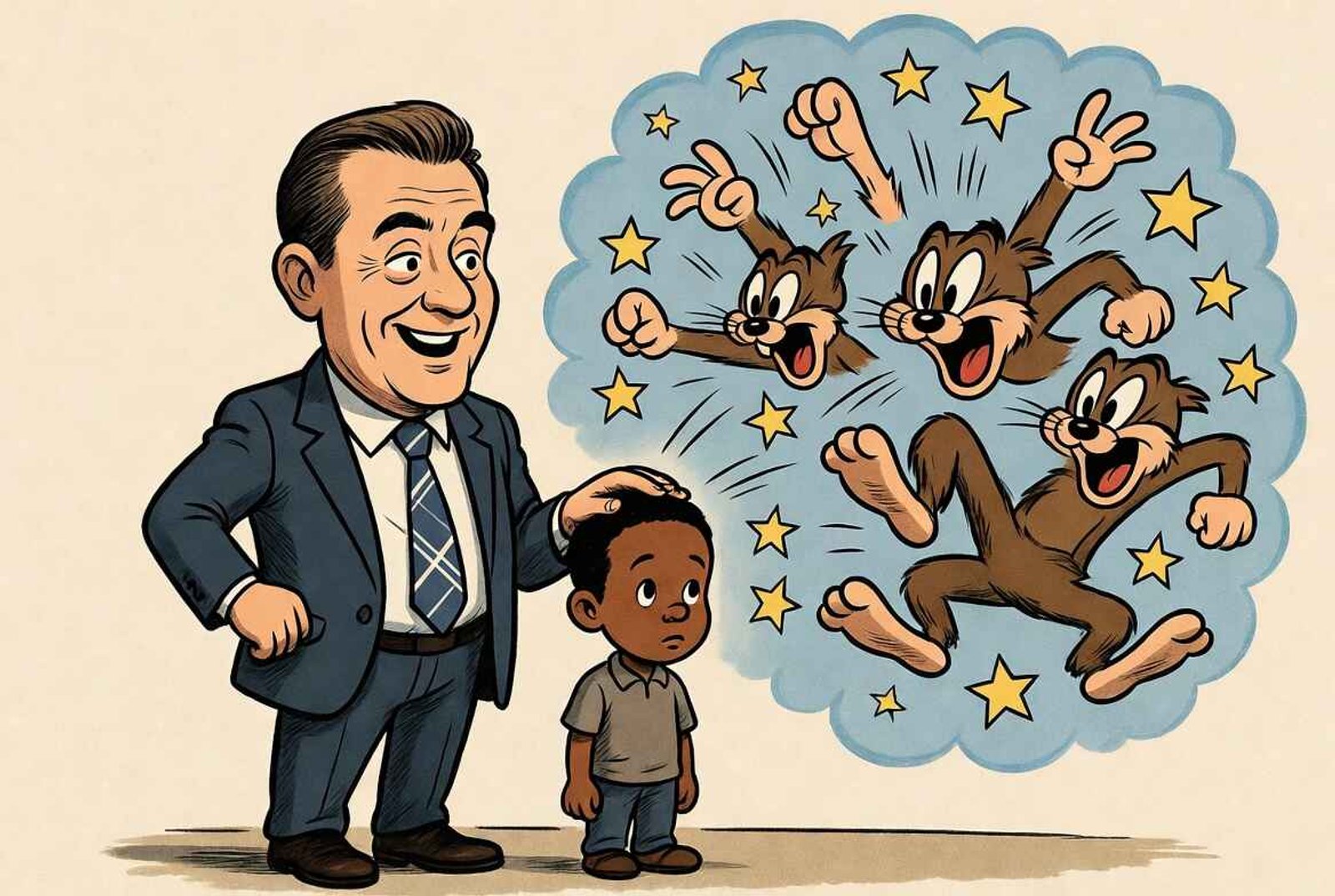
Helgheim should not suffer for this.
It is Helgheim who stated the truth plainly. In his Facebook post he called the perpetrators “despicable people” and described a “typical pattern where gangs with immigrant backgrounds attack, rob and beat up lone Norwegian boys”. That is not a conclusion he guessed at. It is an observation based on a well-established pattern over many years.
Helgheim initially shared the image uncensored and censored it afterwards. Police prosecutor Linn Søfteland believed he should have chosen different words. The Socialist Left Party’s justice spokesperson wants him removed. Conservative Party politician Mahmoud Farahmand believes he has gone too far.
– It is very strange that the Conservative Party chooses to focus on the well-being of the perpetrators in such a case, instead of discussing the content of my post, says Helgheim himself.
He has a point that neither the press nor his own colleagues on the Justice Committee are willing to address. They have reacted more harshly against Helgheim than against the perpetrators who assaulted and brutally beat a Norwegian boy in Strandgaten.
That says everything.
Whom exactly is the system protecting?
We have built a society in which pointing to a criminal pattern is considered worse than being part of it. Where the elected representative who describes violence as violence becomes the object of investigation. Where the perpetrators have lawyers defending them against consequences, and where the police spend their time on what has been said about the case — more than on the case itself.
That is the real scandal in the Bergen violence case.
Not that Helgheim shared an image. Not that someone in a comment section writes unpleasant things. But that the system, from the newspapers to the justice authorities, has made it a principal task to protect the perpetrators because they are foreigners.
For the 17-year-old who was beaten in Strandgaten, it has no practical significance that the four who attacked him are called “minors”. For him, they were four individuals who surrounded him, knocked him down and jumped on him while he lay on the ground.
For society, it would be far more just, proper and safe to punish the perpetrators rather than those who reveal who they are.
In earlier times, people were covered in tar and feathers and then publicly humiliated by being dragged through the streets on a cart. This was the people’s own punishment, something the police in present-day Norway are evidently terrified of. But since the Norwegian justice system is as weak as it is, perhaps it would not be such a bad idea to reintroduce it.
Not for these poor perpetrators from Farawayistan, of course, but for police, press and politicians who do not allow ordinary people to be left in peace.
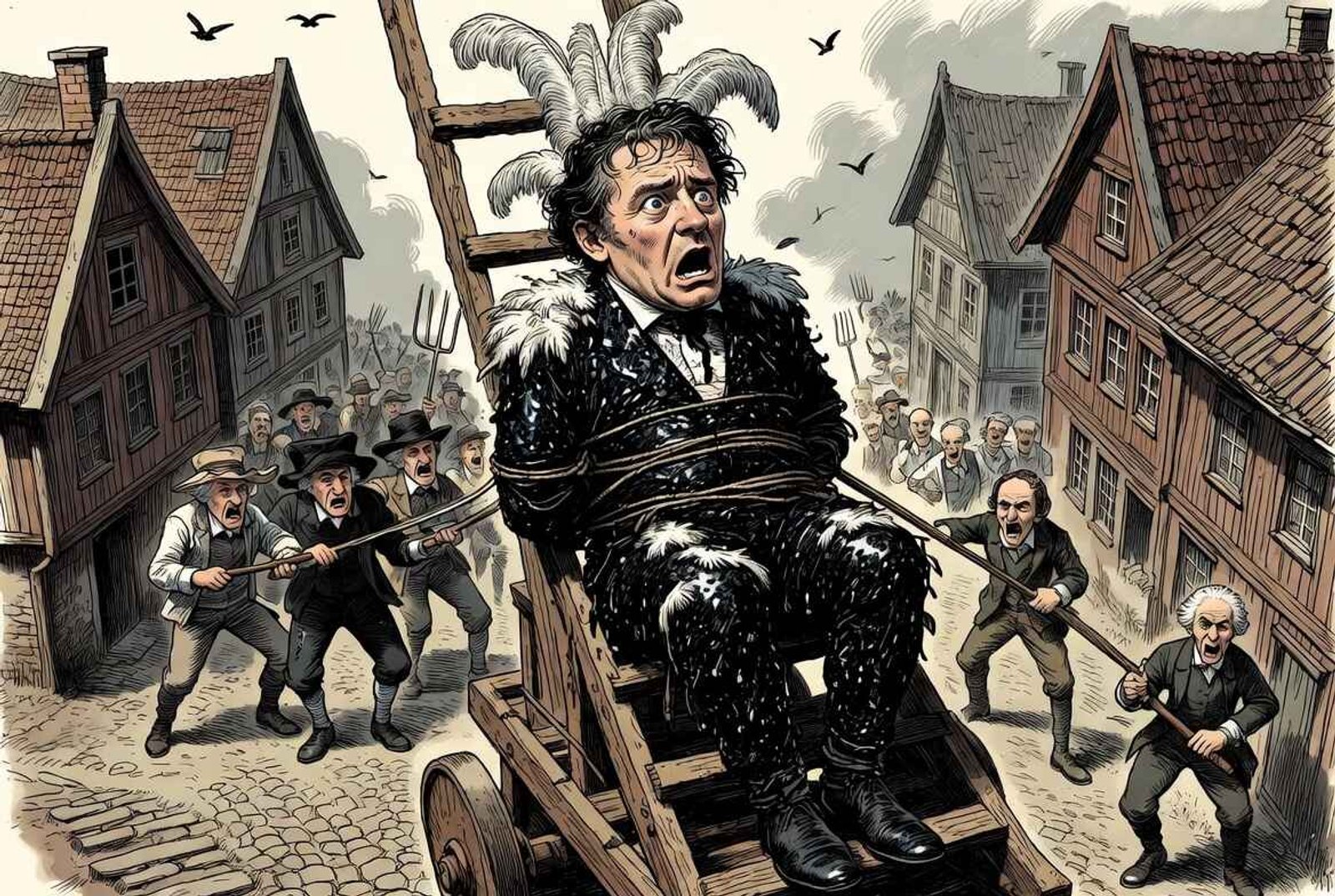 Perhaps certain Green Party (MDG) politicians and other enemies of the people ought to be covered in tar and feathers?


