

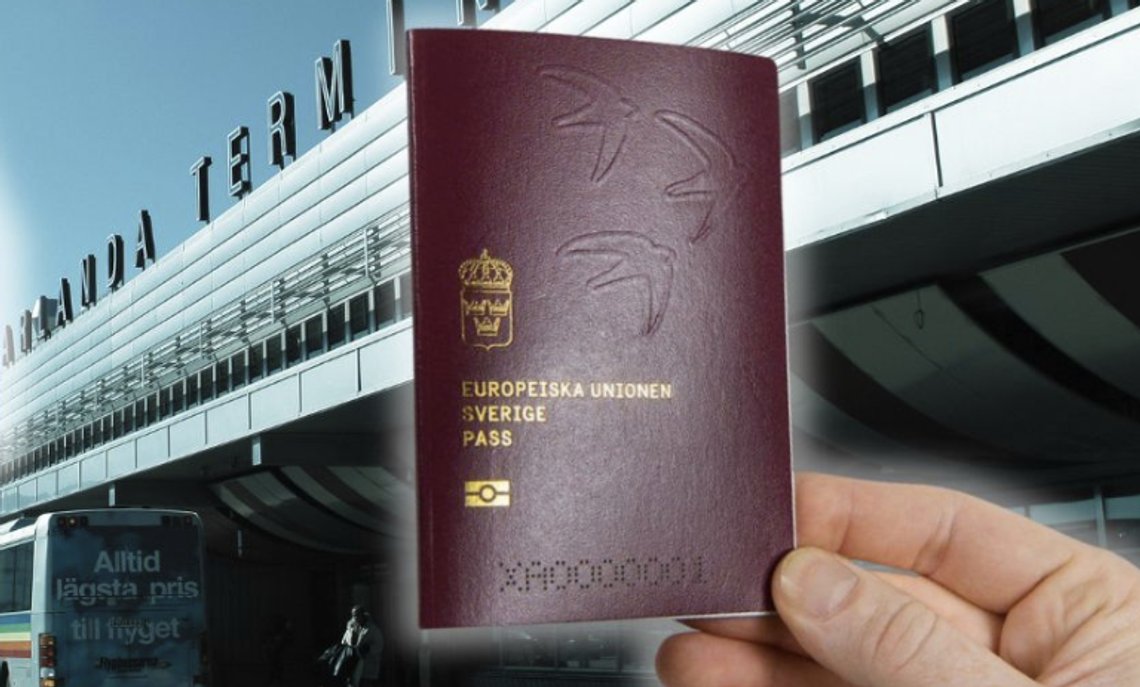


The Swedish Parliament, Riksdagen, has voted in favor of a proposal to revoke Swedish citizenship from individuals convicted of serious crimes or who obtained their citizenship through fraud.
However, for the constitutional amendment to enter into force, another parliamentary decision is required after the election — and the opposition has already announced that they intend to stop the reform if they win this autumn’s election.
On Wednesday, the Swedish Parliament voted in favor of the government’s proposal to amend the Constitution in order to make it possible to revoke Swedish citizenship. The decision means that individuals with dual citizenship could lose their Swedish citizenship if it was obtained on false grounds or if the person has been convicted of crimes “that seriously harm Sweden’s vital interests.”
Unlike many other countries, Sweden currently has no mechanism for revoking citizenship from individuals who obtained it on fraudulent grounds or who are convicted of certain serious crimes.
The government’s position is that Swedish citizenship should be regarded as a mutual bond between the individual and the state, where citizenship also presupposes loyalty to the country. However, the proposal applies only to individuals with dual citizenship, since Sweden is prohibited under international conventions from rendering people stateless.
The proposal is based on the government inquiry Återkallelse av svenskt medborgarskap (Revocation of Swedish Citizenship), which recommends that citizenship should be revocable from individuals who knowingly provided false or misleading information in order to obtain citizenship, or who have been convicted of very serious crimes. The crimes discussed include terrorism, espionage, genocide, war crimes, and other offenses considered to threaten Sweden’s national security.
– We are now carrying out a historic reform of Swedish citizenship. Because citizenship is more than just a passport. It should be reserved for those who make an effort to become a full part of Swedish society. Those who commit crimes should not be able to become Swedish citizens, and those who have already become Swedish citizens and commit serious crimes should be able to lose it, said Migration Minister Johan Forssell when the inquiry was presented in March.
Today’s vote does not, however, mean that the legal change will immediately enter into force. Since the proposal concerns a constitutional amendment, another parliamentary vote is required after the next general election before the reform can become law.
Critics argue that the proposal risks creating a situation in which people with dual citizenship enjoy weaker legal protections than other Swedish citizens. Supporters, on the other hand, argue that it is reasonable for individuals who obtained citizenship through fraud or who commit very serious crimes to be able to lose their Swedish citizenship.
The Social Democrats, the Left and the Green Party have already announced that they oppose the proposal and intend to vote against it in the next round if they gain a parliamentary majority after this autumn’s election. The reform could therefore still fail despite today’s approval in Parliament.


