

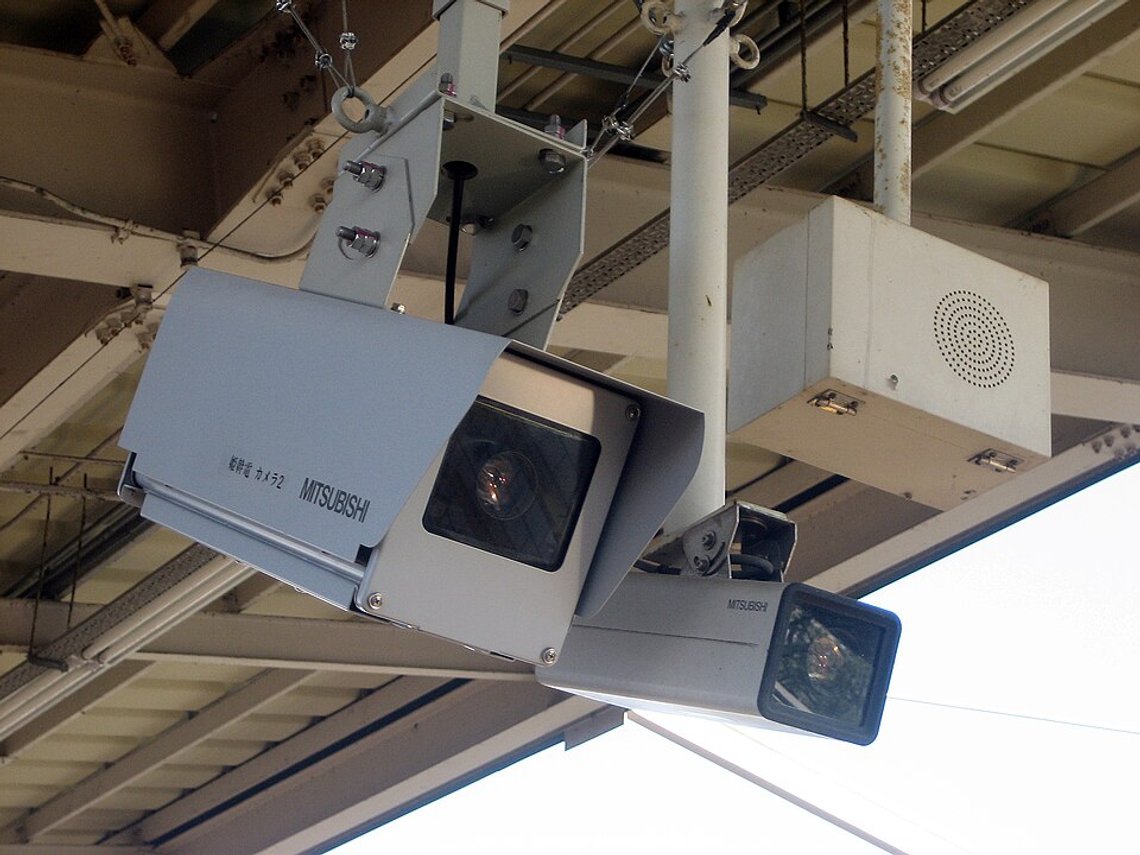


Swedish police will be given the ability to use AI-based facial recognition systems in real time. Parliament’s decision means that the technology may be used for surveillance in public spaces.
This week, the Swedish Parliament approved the government’s proposal granting police the authority to use artificial intelligence to identify or locate individuals suspected of serious crimes in real time, as well as to prevent, deter, and investigate serious offenses such as murder, human trafficking, and terrorism.
As a general rule, police must obtain authorization from a prosecutor or a court before real-time facial recognition may be used. In urgent situations, however, the technology may be deployed immediately, provided that a formal application is submitted within 24 hours.
Based on the European Union’s AI Act
The legislation is based on the European Union’s AI Act, under which real-time facial recognition is generally prohibited but permitted in specific exceptional circumstances and under strict conditions.
The Moderates (M), The Christ Democrats (KD), The Liberals (L), and Sweden Democrats (SD) supported the proposal. These parties have argued that the technology could become an important tool in the fight against organized crime. By enabling faster identification of suspects, they hope to prevent and solve serious crimes more effectively.
Enables extensive surveillance of individuals
Critics, however, have warned that the technology poses significant privacy risks, as it enables extensive surveillance of individuals in public spaces.
The Centre Party (C), the Left Party (V), and the Green Party (MP) expressed criticism of parts of the proposal during the parliamentary process and called for stricter limitations or outright rejection, citing concerns about civil liberties and privacy. During the final vote, however, only the Centre Party formally proposed rejecting the bill in its entirety.
The new law is expected to enter into force as early as July 1, 2026.


