

The well-known nuclear programme of Iran is based on enriched uranium, and the United States demands that the 440 kilograms enriched to 60 per cent purity be surrendered. But there is another path for Iran. They can use heavy water to extract plutonium from the nuclear power plant in Bushehr and the heavy water facility in Arak. Then Iran would have enough for 200 bombs. It would be possible to have live monitoring of the facilities. Obama had the opportunity to demand inspections, but did not care.
Nuclear weapons experts are sounding the alarm about the urgent need for the Trump administration, in any potential new agreement, to introduce a ban on Iran’s attempts to use plutonium from its facilities to build an atomic bomb.
The administration and non-proliferation experts have largely focused on the Islamic Republic’s nuclear weapons facilities that use uranium as material for building atomic bombs. Tehran may exploit this blind spot and secretly build a plutonium-based nuclear weapon.
Jason Brodsky, policy director at United Against Nuclear Iran (UANI), told Fox News Digital: “I believe that any proposed agreement with Iran must address the plutonium pathway to nuclear weapons. Israel attacked the heavy water reactor in Arak twice during the past year – in June 2025 and in March 2026. Intelligence indicated that Iran had repeatedly attempted to rebuild the facility even after the bombing, so any agreement with Iran should include the plutonium pathway.”
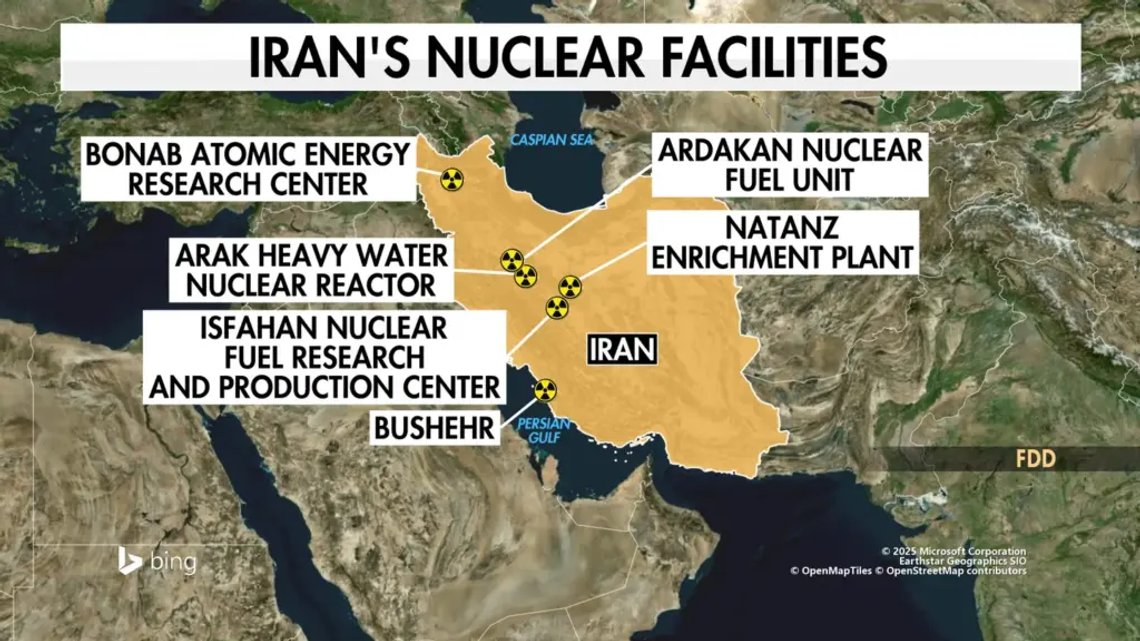
According to Henry Sokolski, executive director of the Nonproliferation Policy Education Center and former deputy for non-proliferation policy at the Department of Defense (1989–1993), the Iranian regime can use plutonium from spent fuel at the Bushehr nuclear reactor to build a nuclear weapon.
In an article last month on the website of Real Clear Defense, he noted: “Washington should ensure that Iran does not remove the spent fuel from Bushehr and extract the plutonium. This can and should be done without bombing the facility.”
Sokolski wrote that “the Pentagon should monitor whether Iran removes any of the spent fuel at Bushehr. This can be done using space-based surveillance resources or, as in 2012, with drones. Secondly, any ‘peace agreement’ President Trump enters into with Tehran should include a requirement for near real-time monitoring of the Bushehr reactor and the spent fuel pool, similar to what the IAEA had in place for Iran’s fuel enrichment activities.”
The IAEA had the right to inspect Bushehr and Arak every third month, but Obama did not give them support and Iran said no, without consequences.
In another article in the Bulletin of the Atomic Scientists in April, Sokolski claimed that Iran has enough plutonium for more than 200 atomic bombs. He said: “The last time IAEA inspectors visited Bushehr was 27 August 2025. Even when the agency’s inspectors had routine access to the facility, they visited it only every 90 days – more than enough time to divert the spent fuel and possibly reprocess it into nuclear weapons.”
He added that “President Obama did not insist on such monitoring, even though the IAEA asked Iran to allow it. Tehran said no.”
Recent reports from the IAEA have not addressed the plutonium pathway to a bomb with any specificity.
Trump has made it an uncompromising demand that Iran must halt the nuclear programme and surrender the enriched uranium it possesses. There has been surprisingly lukewarm support from the EU.
A spokesperson for the State Department stated to Fox News Digital that “Iran’s nuclear programme poses a threat to the United States and the entire world.”
The spokesperson continued: “Iran is today violating its obligations under the non-proliferation treaty by failing to cooperate fully with the IAEA. Iran’s leadership must enter into serious diplomatic negotiations with the United States to resolve the nuclear issue once and for all.”
There are scientists who disagree and believe they have seen no sign that Iran intends to use plutonium for a bomb.
But interestingly enough, of all parties the Russians insisted that the inspectors had to be allowed access again after the bombing last year.
Andrea Stricker, deputy director of the programme on non-proliferation and biological defence at The Foundation for Defense of Democracies (FDD), spoke to Fox News Digital. “The United States must in any agreement insist on a permanent and verified ban on plutonium reprocessing in Iran.”
Stricker pointed out that Moscow too had realised the danger. “To Russia’s rare credit, the country insisted that Iran allow inspectors back in to secure the Bushehr reactor after the attacks in June 2025. These inspections resumed in August last year. Plutonium produced at the reactor is not of desirable quality for nuclear weapons, and Iran has not focused on the plutonium pathway to nuclear weapons since the early 2000s, so it may be difficult for Tehran to work with. They would also have to acquire and equip a plutonium reprocessing facility illegally, as well as sophisticated equipment to handle and chemically convert the fuel. All of this creates significant obstacles to its use as fuel for nuclear weapons.”
She went on to say that “the IAEA (International Atomic Energy Agency) could reduce any proliferation risk at Bushehr by increasing the inspection frequency to monthly. Russia could also remove the spent fuel that has accumulated at the facility.”
https://www.foxnews.com/world/experts-warn-trump-administration-any-iran-deal-must-close-plutonium-pathway-nuclear-bombs


