

2026 is the year for total preparedness (totalberedskap), therefore it seems strange that Norway does not have stockpiles of aviation fuel and diesel for more than 20 days. Sweden and Finland have 90 days. That no measures were taken after the invasion of Ukraine is, according to the chief commodities analyst at SEB, Bjarne Schieldrop, strange.
– Here there are some who have not raised the index finger, who should have done so, he says to Dagens Næringsliv.
Norway has poured out money to Ukraine, but neglected preparedness at home.
The Norwegian Defence Research Establishment (Forsvarets forskningsinstitutt, FFI) delivered a report two weeks ago:
– War and crisis in Norway and our neighbouring areas can lead to serious disruptions in the supply of food and fuel, the analysis concluded.
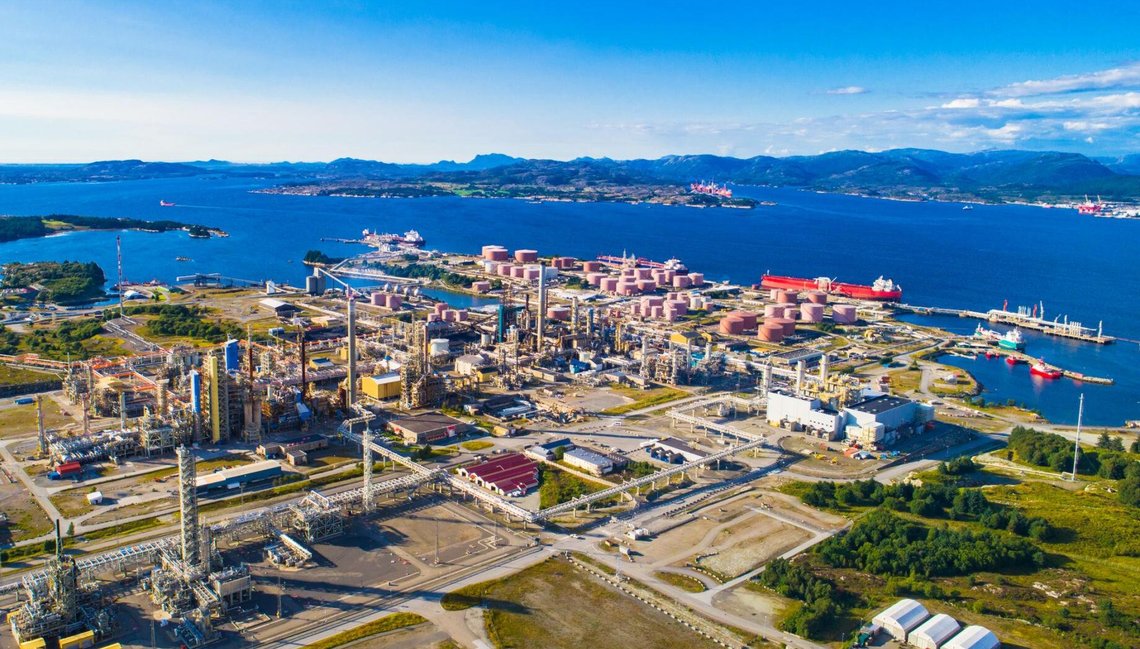
FFI pointed out that Norway is dependent on imported diesel, marine gas oil, and aviation fuel. At the same time, we have only one refinery.
– In war, the gap between available peacetime volumes and wartime needs can become large, they wrote.
One of the measures FFI proposes is preparedness stockpiles, and this is what the Centre Party (Senterpartiet) is now taking forward in a proposal to the Storting on Thursday. They also ask the Government to consider measures to secure the production of diesel and to return to the Storting with this no later than the autumn.
Esso has a refinery at Slagentangen in Vestfold. It is closed down. Why has it not been restarted in the four years the war in Ukraine has been ongoing?
The same applies to the coal mines on Svalbard. Svalbard has become entirely dependent on energy from the mainland and is extremely vulnerable in a crisis situation. It appears that the right hand does not know what the left hand is doing.
The leader of the Progress Party (Fremskrittspartiet, Frp), Sylvi Listhaug, says to NRK that the authorities must act quickly to secure larger fuel stockpiles. She believes this should be done by using existing facilities, and mentions Esso’s closed refinery at Slagentangen in Vestfold. There are now empty tanks there with storage capacity.
Is anything happening?
State Secretary Ragnhild Sjoner Syrstad (Labour Party, Ap) in the Ministry of Trade, Industry and Fisheries (Nærings- og fiskeridepartementet) responded to the newspaper that the Government shares the concern about increased vulnerability in the fuel supply.
– This is the reason why we commissioned the report from FFI. At present, the stock level is in accordance with the statutory requirement, but the report clarifies the need for increased preparedness storage, including fuel, a message the Government takes seriously, says Syrstad.
– We are now working on the follow-up of the measures in the report, but it is too early to provide details, she said (NTB)


