



Norway has entered into a new climate agreement with Jordan in which Norwegian funds are to contribute to reducing emissions from the waste sector in the Middle Eastern country. The agreement has been concluded under Article 6 of the Paris Agreement, which allows countries to cooperate on emission reductions across borders.
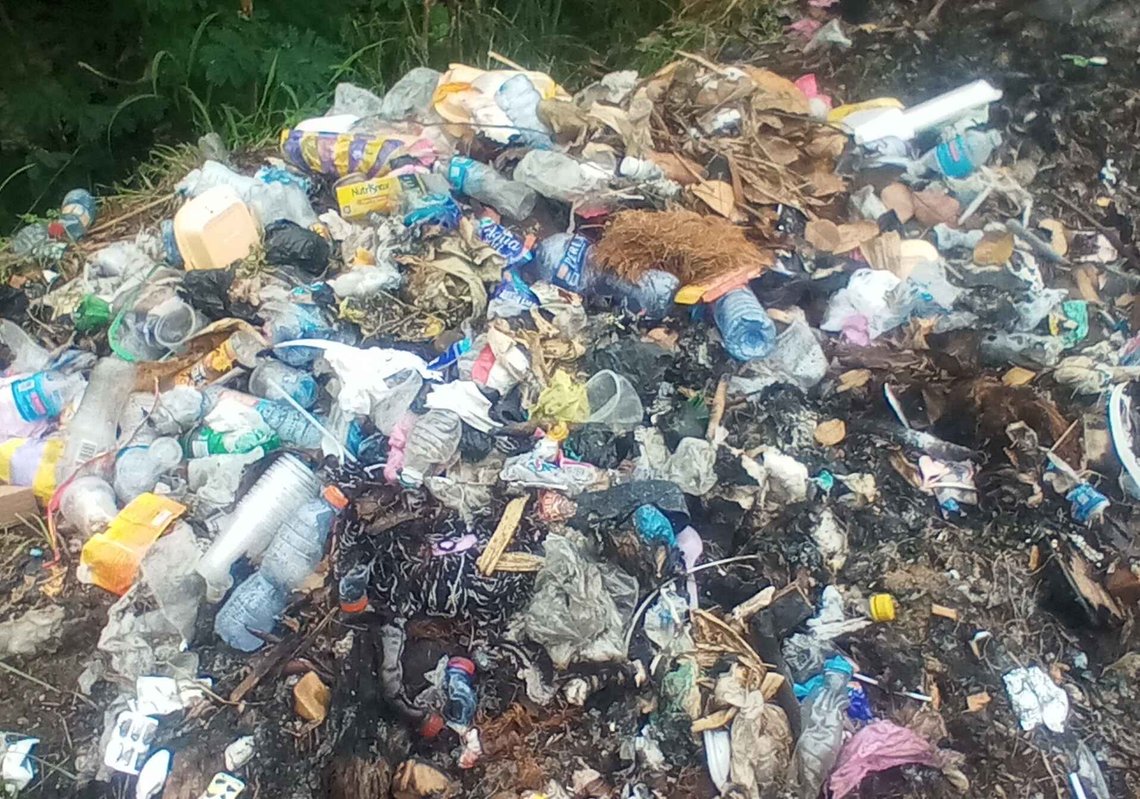
The plan is to reduce greenhouse gas emissions – particularly methane – from waste management and landfills in Jordan. Norway will finance projects that improve waste systems, and in return Norway may purchase the documented emission reductions and enter them into its own climate accounts.
Others’ waste – our targets
The Norwegian authorities believe that such agreements may contribute to Norway reaching its climate targets towards 2030, while at the same time providing investments in environmental technology in developing countries.
The arrangement is based on the mechanisms of the Paris Agreement, whereby countries may transfer emission reductions between themselves through an international carbon market.
However, such climate credits are among the most controversial elements of current climate policy. Critics maintain that the system allows wealthy countries to finance emission reductions in other countries instead of reducing their own emissions at home.
From a conservative perspective, the criticism often goes further. Sceptics claim that carbon credits may develop into a costly and opaque bureaucracy in which emission reductions exist more in spreadsheets than in the atmosphere. Several analyses have pointed to problems such as double counting, uncertain measurement of emission reductions, and projects that receive climate credits even though the reductions would likely have occurred regardless.
The lucrative carbon market
A review of carbon credits published in 2023 likewise concluded that the arrangement has “systemic problems”, and that many credits do not represent real emission reductions.
Supporters of carbon markets reject the criticism and point out that the climate does not care where emissions are reduced. One tonne of CO₂ saved in Jordan has the same effect as one tonne saved in Norway.
The question nevertheless remains whether such agreements primarily reduce emissions – or whether they primarily relocate them within the climate accounts.
In this case, waste from Jordanian landfills may end up as climate credits in the Norwegian climate accounts. In other words: “One man’s trash is another man’s treasure”.


