
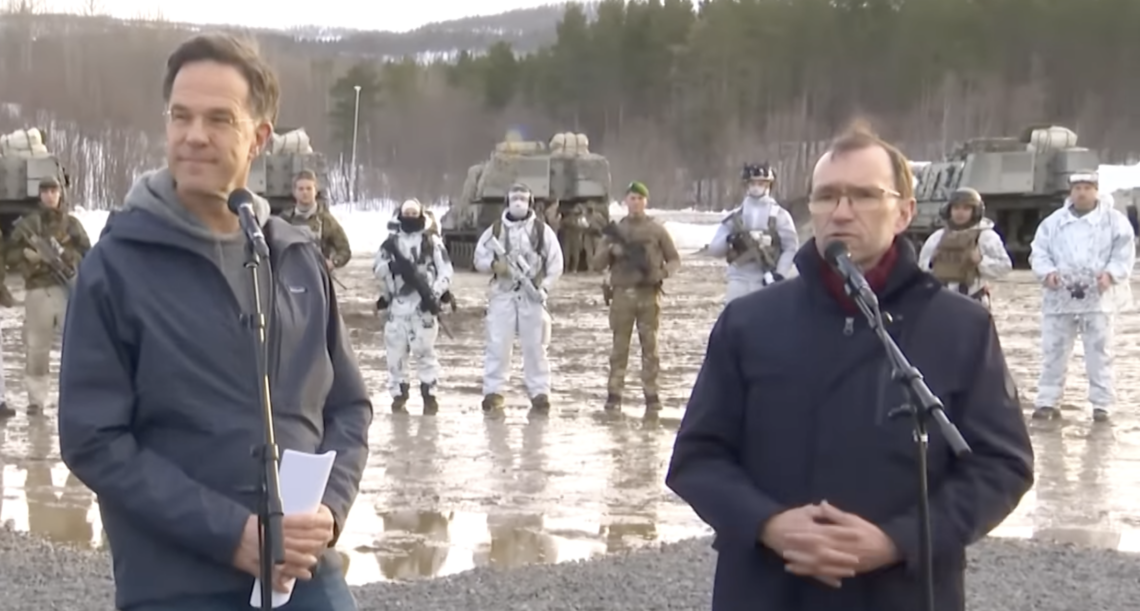
NATO Secretary General Mark Rutte is now making major headlines after having given his unreserved support to the United States’ military attack on Iran.
In an interview with the American channel Fox News on Sunday, he describes the American acts of war as both necessary and decisive for the situation in the Middle East.
Implementing Trump’s vision in the Strait of Hormuz
Rutte is clear that the defence alliance is now playing an active role in supporting the American strategy in the region. He refers to cooperation between 22 countries, most of which are members of NATO, to secure freedom of navigation through the strategically important Strait of Hormuz. According to the Secretary General, the objective of this joint effort is to implement Donald Trump’s vision and to ensure that the strait is opened as quickly as possible following the recent unrest.
A clear shift in course for the defence alliance
The statements from Rutte mark a significant change of course for NATO and the European member states. Previously, several key leaders in Europe have been reluctant to be drawn directly into the conflict between the United States and Iran. By using the NATO flag as a backdrop during the interview, Rutte sends a signal that the alliance is now giving its full support to the war. He describes the effort as a necessity in order to protect civilian shipping from Iranian attacks in the Persian Gulf, and emphasises that neither NATO nor the United States can sit still and watch the escalation.
Norway holds back for now
Although the Secretary General speaks warmly of the joint effort, the Norwegian government has been quick to clarify its own role. Minister of Foreign Affairs Espen Barth Eide states that it is not under consideration to send Norwegian warships to the Strait of Hormuz. Norway took part in a joint statement condemning the Iranian attacks before the weekend, but the Norwegian authorities wish to focus on diplomatic measures rather than military contributions.
It is clear that Rutte is now leading in a direction that requires a far more offensive stance from the member states than has been seen in recent years.