Photo: Nadja Isaksen / Facebook.
Nadja Isaksen, who last week was elected to the Folketing for Borgernes Parti in the election in Denmark, has over the past few days been subjected to a barrage of criticism after the author Mathias Hee Pedersen on Thursday highlighted a statement that Isaksen had made on X in August last year.
The now newly elected member of the Folketing had written that the Danish citizenship of Samira Nawa, who represents Radikale Venstre in the Folketing, is purely juridical and that this does not make her ethnically Danish. Isaksen reinforced the point by stating that a cat does not become a horse, even if it is born in a stable. Nawa was born in Denmark to Afghan parents.
The statement from Isaksen, who is a proponent of remigration and believes that Islam does not belong in Denmark, has triggered criticism from former ministers and several party leaders, as well as a discrimination researcher who accuses her of racism, reports B.T.
But she now receives public support from Mustafa Sayegh – author, musician and polymath, originally from Lebanon and leader of Foreningen Frafalden, which consists of former Muslims.
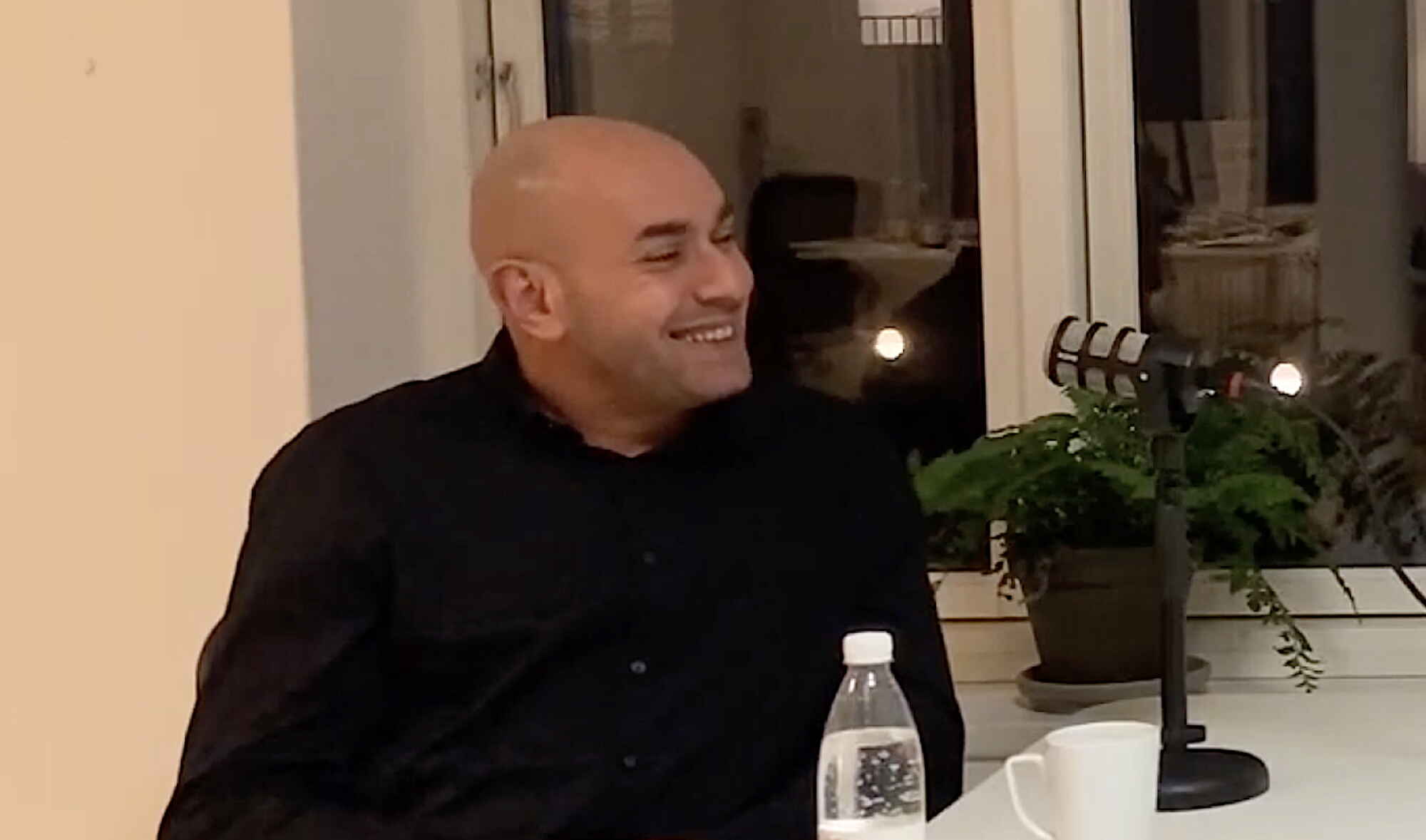
Mustafa Sayegh. Still image: Netavisen 180Grader / YouTube.
For while the discrimination researcher says that Danishness has nothing to do with ethnicity, that it is rather a social construction, and that it is a sign of radicalisation if one thinks otherwise, Sayegh rejects that claim outright and says that she is mistaken.
“It is entirely objectively correct that neither Samira Nawa, nor I, for that matter, are ethnically Danish. So the debate has become impoverished, and therefore I feel called upon to urge moderation.”
Sayegh describes the criticism as “intellectually dishonest” and believes that the entire debate about Danishness has gone off track and become “enormously destructive for the democratic conversation.”
“Ethnicity concerns which cultural heritage one is shaped by and shares,” Sayegh maintains.
“I am shaped by Muslim culture. Also Danish, but to a greater extent Lebanese and Muslim. And of course we must be able to speak about when one is actually Danish – in Denmark.”
Due to the influence of Islam, more people understand that ethnicity, culture and norms matter, concludes Sayegh, who believes that what is Danish ought to predominate in Denmark, writes B.T.