

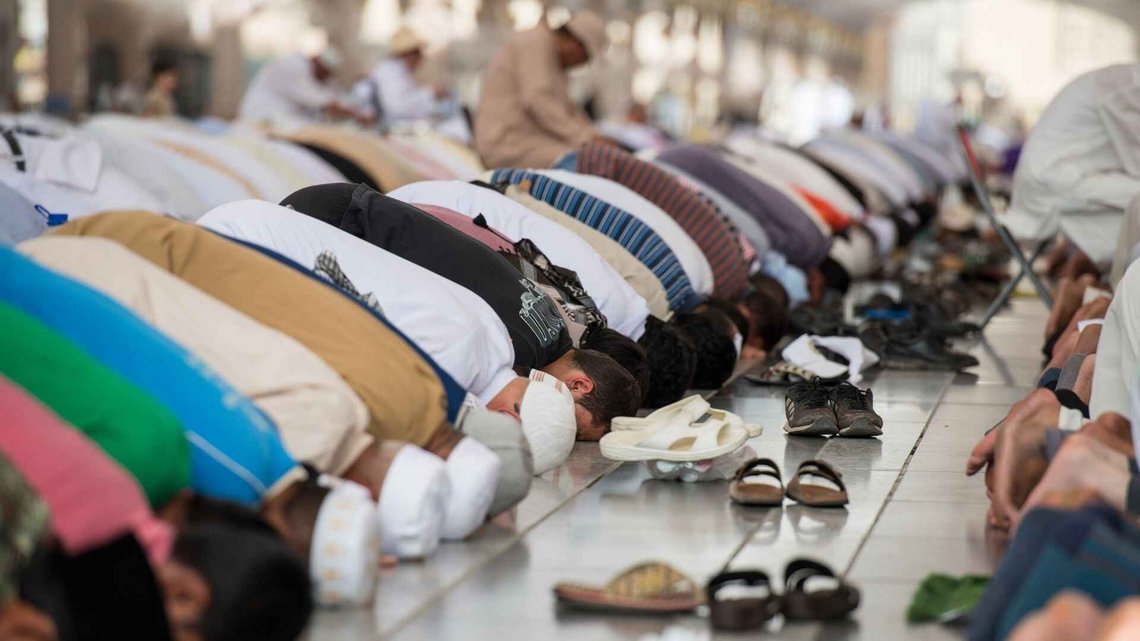


Journalist Victoria Åsne Kinsella in Utrop now argues that Norwegian society must adapt to Islamic customs to a far greater extent than at present.
She maintains, inter alia, that the Armed Forces (Forsvaret) should cease serving pork during the Islamic fasting month of Ramadan in order to demonstrate inclusion towards Muslims. This emerges in a recent article in which she also encourages Norwegian politicians to participate in solidarity fasting and to familiarise themselves with Islamic philosophy.
Argues that the Armed Forces must adapt the menu for all
Kinsella bases her intervention on conversations with her son, who was recently home on leave from the military. The son is said to have remarked that the Armed Forces appear highly ethnically Norwegian, and that he does not believe pork should be served at all while Ramadan is ongoing. Kinsella fully supports this view, and expresses disappointment that Norwegian society has not progressed further in its cultural adaptation.
In her text, she asserts that such measures are at least as important for integration as compulsory courses in the Norwegian language and social studies.
It is worth noting that the Armed Forces currently operate with guidelines stating that both halal and vegetarian alternatives shall be offered as far as possible. At the same time, it is known that the Armed Forces have for several years worked to close gaps in diversity efforts, inter alia through the development of halal-certified field rations for soldiers in service. Kinsella’s demand, however, goes further, as she proposes removing pork from the general menu during the Muslim fasting month.
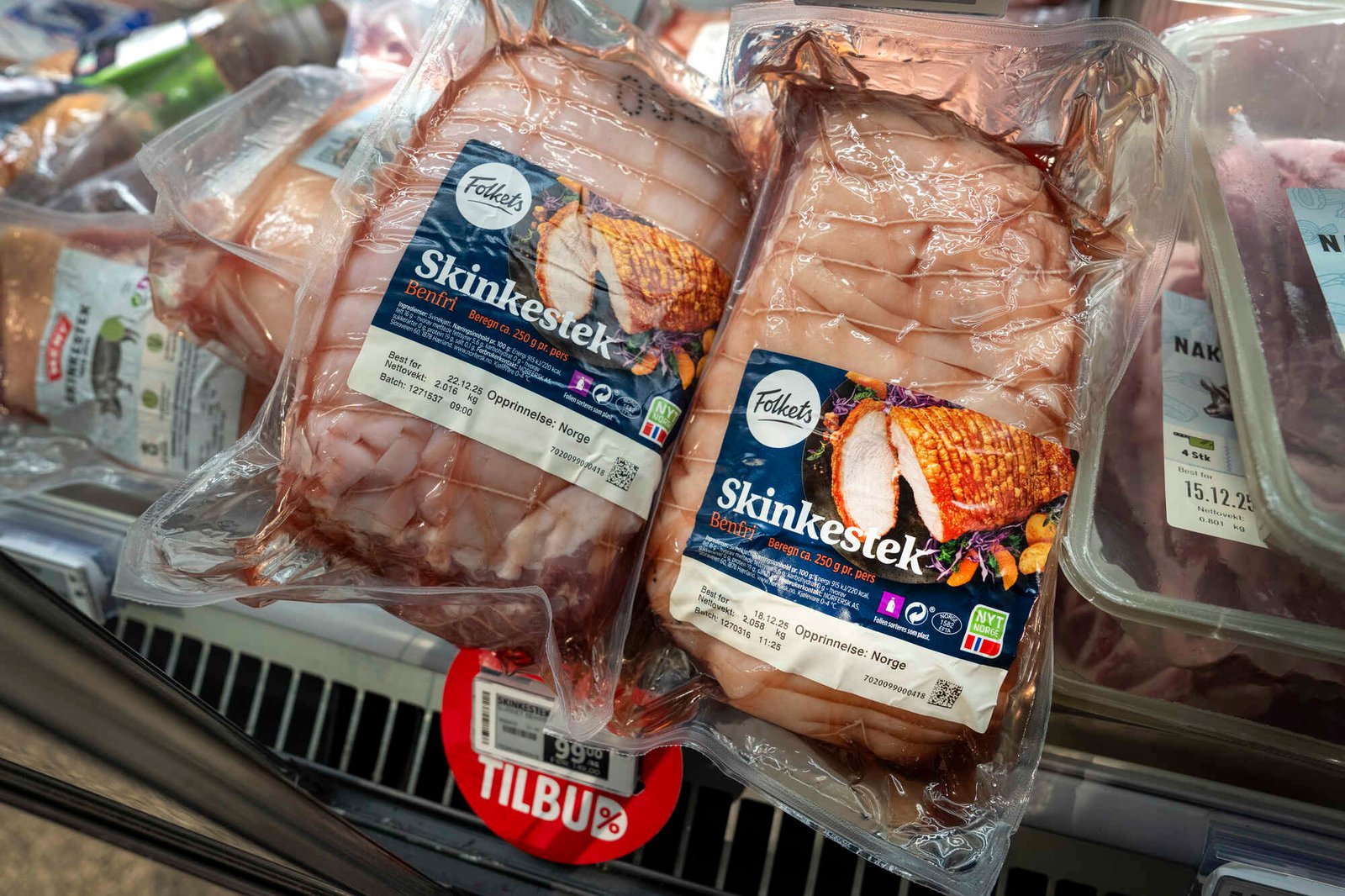 Roast pork is something Muslims will not wish to see in the Armed Forces during Ramadan.
Photo: Gorm Kallestad / NTB
Compares Christian and Muslim proselytisation in Oslo
In her description of the cityscape in Oslo, Kinsella draws a comparison between Christian preachers and Muslims distributing brochures about Islam during Ramadan. She characterises the Christians as intrusive and uncomfortable when they speak about salvation and damnation. The Muslim representatives, by contrast, receive praise for being less intrusive in their communication. She further recounts that she herself attempted to observe the fast for ten days, in order to experience the values of Ramadan such as self-discipline and solidarity with the poor.
She also highlights Oslo Municipality (Oslo kommune) as a positive example of inclusion. The City Government (Byrådet) has in 2026 arranged Ramadan lighting in Grønland, and the municipality is spending NOK 450,000 on an iftar (id-middag) dinner at Oslo City Hall for 400 guests. This measure has, however, encountered opposition from the Progress Party (Fremskrittspartiet), where Deputy Mayor Julianne Ofstad has criticised the expenditure and pointed out that other groups in the city do not receive corresponding support for their holiday celebrations.
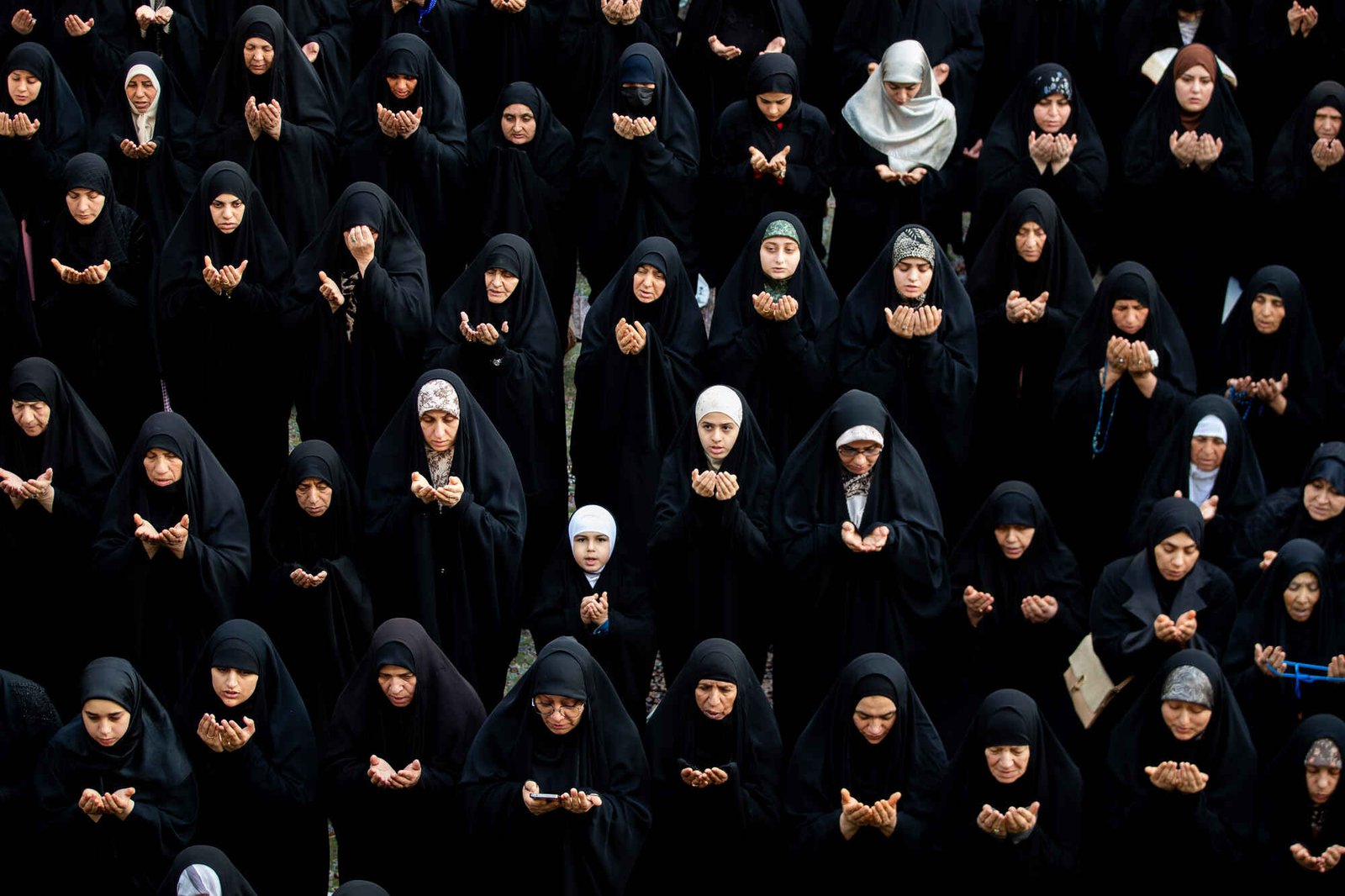 Iraqi women during Ramadan. Photo: AP/Anmar Khalil/NTB
Encouragement of solidarity fasting among Norwegian politicians
In order to illustrate what she considers to be a lack of willingness for inclusion within the majority population, she refers to a story about her own dog. The dog is said to have received a gift in connection with the id celebration from her Muslim friends, which she considers disproves claims that Muslims regard dogs as impure. She directs strong criticism at commentators such as Espen Teigen and Erlend Wiborg, and proposes that both they and other leading politicians such as Ola Svenneby should celebrate id and fast next year.
Kinsella maintains that there is much to be learned from Islamic philosophy for all those who today demand that immigrants should become “Norwegian” through integration contracts. She therefore encourages the majority population to participate actively in Islamic traditions in order to create a more accepting society.
It remains to be seen whether the Armed Forces or political authorities will comply with the demands to change food provision or to participate in solidarity fasting as outlined by Kinsella in her article.


