

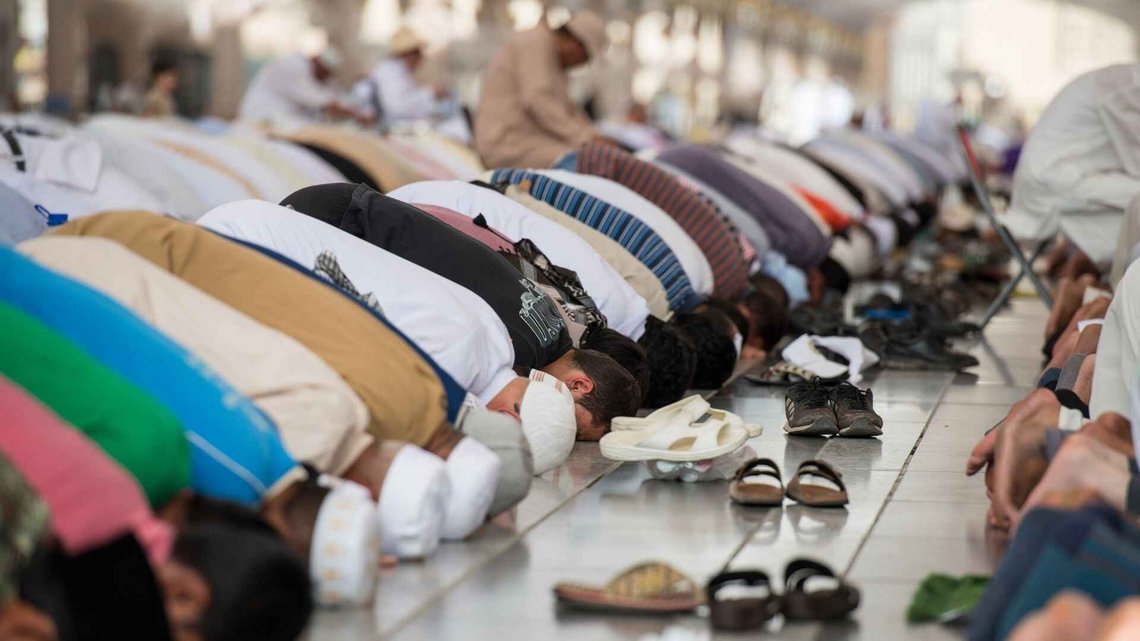


A seven-year-old girl surprised her father when he put her to bed: “We prayed to Allah yesterday.”
The girl is a pupil at a Church of England primary school in Lincolnshire. According to the father, the pupils in her class were shown an instructional video on how to perform Islamic prayer, before the teacher encouraged them to try it themselves.
None of the children in the class are Muslims.
The father describes that the children were asked to remove their shoes and kneel with their heads towards the ground in a Muslim prayer position. The daughter is said to have relayed the teacher’s instruction as follows: “We must all perform the prayer.”
The parents were not notified in advance. The children were not given the opportunity to say no.
Demands answers
The father contacted his local Member of Parliament, Reform UK’s deputy leader Richard Tice, who represents the constituency of Boston and Skegness. In the complaint, it is described that the children were “forced, manipulated and persuaded” to participate in the religious act.
Tice has now written a letter to the new Archbishop of Canterbury, Dame Sarah Mullally, in which he requests clarification on how Church of England schools are to relate to teaching about other religions.
“This case has understandably caused considerable concern among parents, and clarity on the Church’s position would be greatly appreciated,” writes Tice.
The case has also been reported to the police in Lincolnshire.
The diocese rejects
The Diocese of Lincoln, speaking on behalf of the unnamed school, rejects the father’s account. A spokesperson insists that it “was not a religious act”, that no prayers or religious words were uttered, and that no children were required to participate.
The spokesperson also claims that no prayer mats were used, and that the children were not asked to face in any particular direction.
At the same time, the diocese acknowledges that what took place during the lesson went beyond what had been planned in the teaching arrangement. The school will “undertake appropriate reflection” to ensure that future lessons remain within the intended non-confessional approach.


