

A hand grenade rolls across the floor of a pharmacy in Paris on 15 September 1974. What follows is an inferno of shattered glass, flying fragments, two dead and 34 injured. Among those who survive the explosion is the French husband of the Norwegian journalist Vibeke Knoop Rachline.
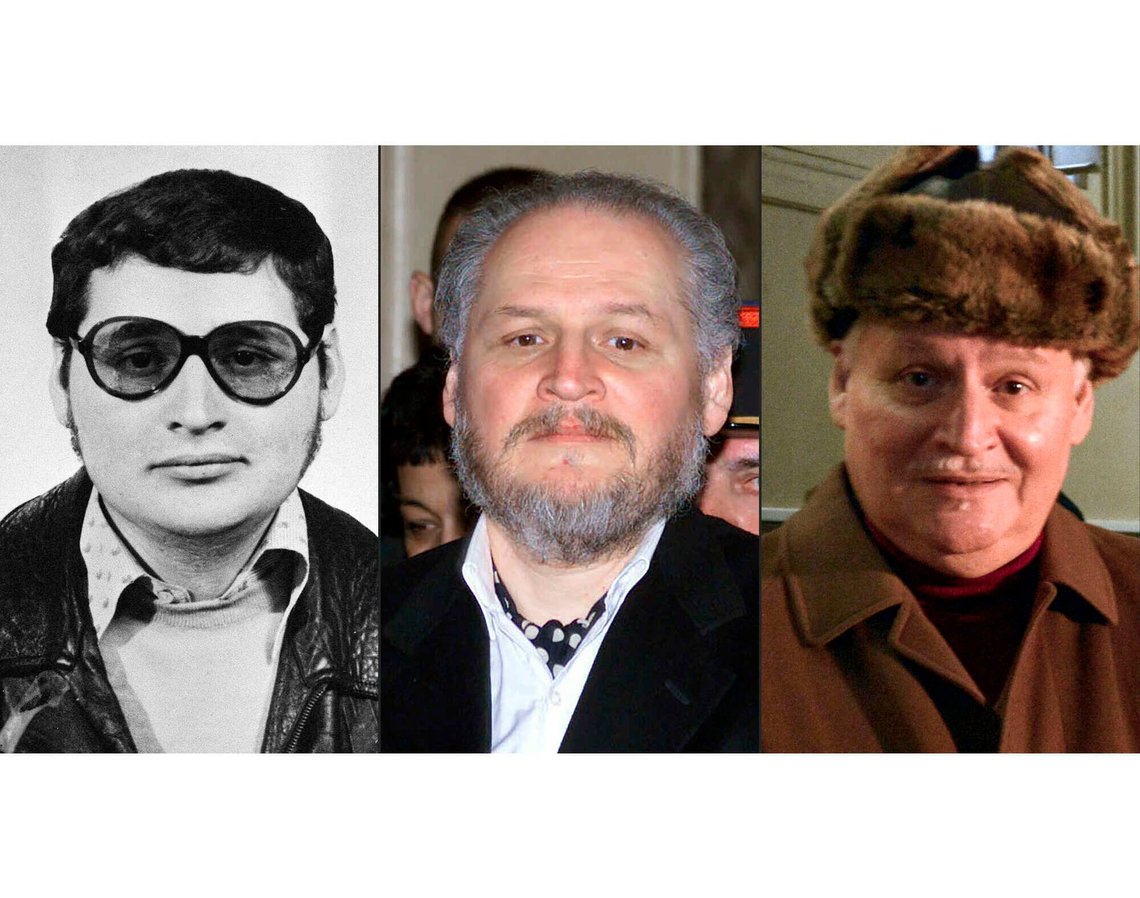
The perpetrator was Ilich Ramírez Sánchez – better known as “Carlos” or “The Jackal”. For Rachline, this marked the beginning of a lifelong journalistic journey into a European darkness of terrorism that has now reached deep into Norway’s own backyard.
For decades, official Norway has regarded Middle Eastern terrorism and anti-Semitic massacres as distant, foreign tragedies. Yet, as Rachline documents in her book Abu Nidal’s Norwegian Soldier (2024), deadly anti-Semitism has long found a safe haven in Eastern Norway. In 2020, the Norwegian Police Security Service (PST) arrested a Palestinian man in Skien. For almost thirty years he had lived a peaceful, tax-paying life in Telemark as a Norwegian citizen. At the same time, he was internationally wanted, suspected of being one of the masked gunmen behind the shocking Rue des Rosiers massacre in Paris in 1982, in which terrorists from the Palestinian Abu Nidal Organisation gunned down six people in a Jewish restaurant.
I was born in 1972. I was too young to remember the first attack in 1974. I was only two years old.
But I remember the second episode as if it were yesterday: the Christmas terror attacks of 1985.
On 27 December 1985, in the middle of the Christmas holidays, seven Arab terrorists belonging to the Abu Nidal Organisation stormed the airports in both Rome and Vienna. Armed with automatic rifles and hand grenades, they attacked innocent passengers queuing at the check-in counters for the Israeli airline El Al. Nineteen civilians were killed, including a child, and more than 140 were injured in what was a coordinated and merciless assault on the festive season and innocent lives.
This brutal Christmas terrorism at European transport hubs changed the spirit of the age. It created a deeply disturbing image in the public imagination: heavily armed terrorists striking civilian targets in the midst of the Christmas season while police and security forces fought desperate gun battles in the corridors.
“The attacks came after increased security due to recent hijackings and official Interpol warnings that airports might be targeted by terrorists during the holiday season.”
“The attacks came after security measures had been tightened following the recent hijackings and official Interpol warnings that airports could be targeted by terrorists during the Christmas and New Year period.”
It is precisely this fear and this particular aesthetic – heavily armed European and ideologically motivated terrorists seizing control of enclosed civilian spaces during the Christmas season – that Hollywood absorbed and reflected in the years that followed.
When screenwriters Jeb Stuart and Steven E. de Souza eventually transformed Roderick Thorp’s novel into the action classic Die Hard in 1987, they set the story on Christmas Eve. The villains, led by the cultured yet cold Hans Gruber, appeared as a direct echo of the European terrorist threat of the 1980s – and in the sequel, Die Hard 2 (1990), they even moved the chaos directly to an airport terrorised during the Christmas season. The real-life terrorism of Abu Nidal and Carlos “The Jackal” established the fears we experienced, which Hollywood transformed into enduring Christmas classics of popular culture.
While Hollywood’s terrorists are defeated on screen by a lone police officer in films that have endured for more than thirty years, a far more unsettling drama is unfolding in real life. Carlos “The Jackal” is today serving multiple life sentences in French prisons and has developed Alzheimer’s disease. His lawyer is seeking his release on humanitarian grounds, while Norwegian society would largely prefer to look the other way as the past catches up with us in our own neighbourhoods. The consequences of terrorism never become obsolete, and the public has a duty to refuse to allow history to be erased into the mist.


