

Spain is falling in international comparisons of women’s safety. In the Women, Peace and Security Index, the country has dropped from fifth place in 2017 to 25th place in 2026. At the same time, the political conflict over the causes is growing – and the government’s policy is now under increasing pressure.
Spain is becoming increasingly unsafe for women. The recently published Women, Peace and Security Index for the years 2025/2026, which assesses women’s well-being in 181 countries, places Spain in 25th position, behind countries such as Latvia, Japan and the United Arab Emirates.
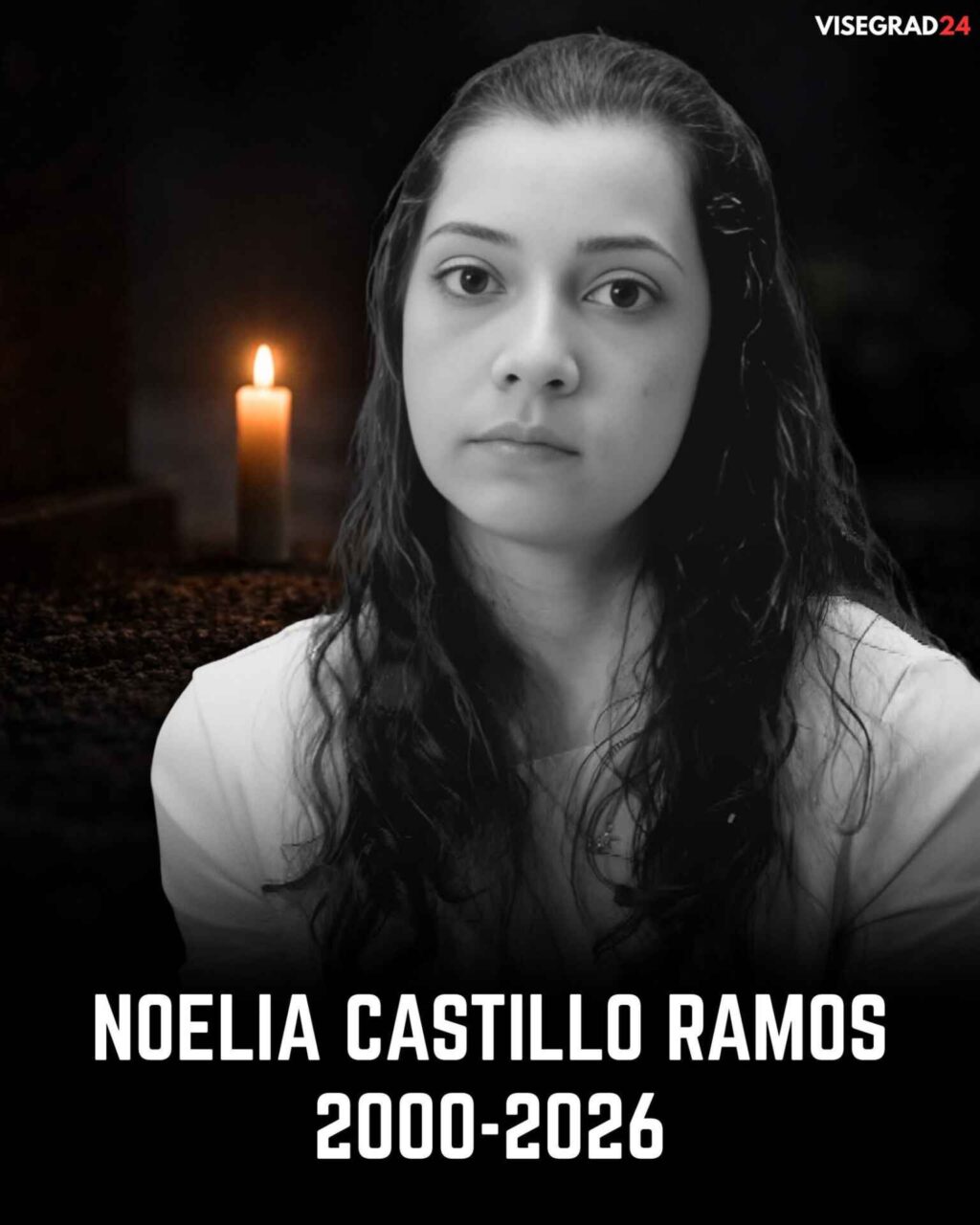
The case of 25-year-old Noelia Castillo Ramos has become a symbol of the debate.
Spania: Idag klokken 18 skal 25 år gamle Noelia Castillo Ramos dø
When Noelia’s parents divorced, she was placed in a youth institution by an official decision. There she was brutally gang-raped by “unaccompanied minors”, that is to say young male migrants. The rape was reported, but the men were never punished.
After the rape, Noelia attempted to take her own life. However, the suicide attempt failed, and instead of dying, she was paralysed and became dependent on a wheelchair.
Noelia died on Thursday, after having been granted euthanasia (active assisted dying) by the Spanish state – against the express wishes of her parents.
The case has met with widespread criticism regarding how the authorities handled it. The criticism concerns both the legal process and the support offered after the assault. The incident has received extensive coverage and is now being used as an example in the discussion of women’s safety in the country.
The government under pressure
The development is taking place under Prime Minister Pedro Sánchez, whose government has been in power since 2018. Sánchez was able to assume office as Prime Minister despite his party, the Spanish Socialist Workers’ Party (PSOE), losing the previous election. This was due to the party choosing to cooperate with the left-wing party Podemos.
Opposition voices maintain that the deteriorating ranking in the index reflects a broader development in which women’s safety has been weakened under Sánchez, inter alia through the Spanish government’s liberal migration policy.
New migration proposals intensify the conflict
The debate has been further intensified following the government’s proposal to grant a large number of illegal migrants in Spain residence permits. Between 500,000 and 850,000 illegal migrants are estimated to be granted legal residence not only in Spain, but throughout the EU.
Spania gir lovlig opphold til en halv million papirløse migranter
Supporters claim that the measure may strengthen integration and reduce migrants’ vulnerability, while critics warn that it risks exacerbating already significant problems and increasing insecurity throughout the Union.
Growing concern for safety
Overall, the development is increasing concern about women’s safety in Spain.
The case of Noelia Castillo Ramos and the country’s results in international comparisons have become a focal point in an increasingly polarised debate – in which the question of safety is now at the centre of attention also in Spain.
The global Women, Peace and Security Index (WPS Index) assesses and ranks 181 countries based on women’s well-being across 13 indicators that measure women’s inclusion, justice and security. Denmark continues to lead the ranking, while Afghanistan performs the worst.
The fifth edition of the WPS Index shows that progress in women’s status globally is stagnating. It also shows that improvements can come from some of the most conflict-affected places.
The WPS Index is produced by the Georgetown Institute for Women, Peace and Security, in collaboration with the Peace Research Institute Oslo, and with support from the Norwegian government.
🇪🇸 A young Spanish woman will be euthanized today, after a group of illegal migrants gang-raped her while she was in state care.
In 2022, the teenager Noelia Castillo Ramos placed in a state institution amid family difficulties and placed in a state-run home together with North… pic.twitter.com/8Rrv76Alot
— Visegrád 24 (@visegrad24) March 26, 2026


