


While the government launched its first national strategy for equality between women and men in 2025, with the aim of economic independence, a more equal labour market and better gender balance in leadership and professions, figures from the ministries show a clear predominance of women in the communications staff, as much as 64 per cent. This raises questions about how equality policy is reflected within its own administration.
In Norway’s 17 ministries, a total of 125 communications advisers are employed, including 17 heads of communications. 80 of these are women – a share of 64 per cent. This yields a clear female majority among those who handle the state’s external communication, media management and public enquiries.
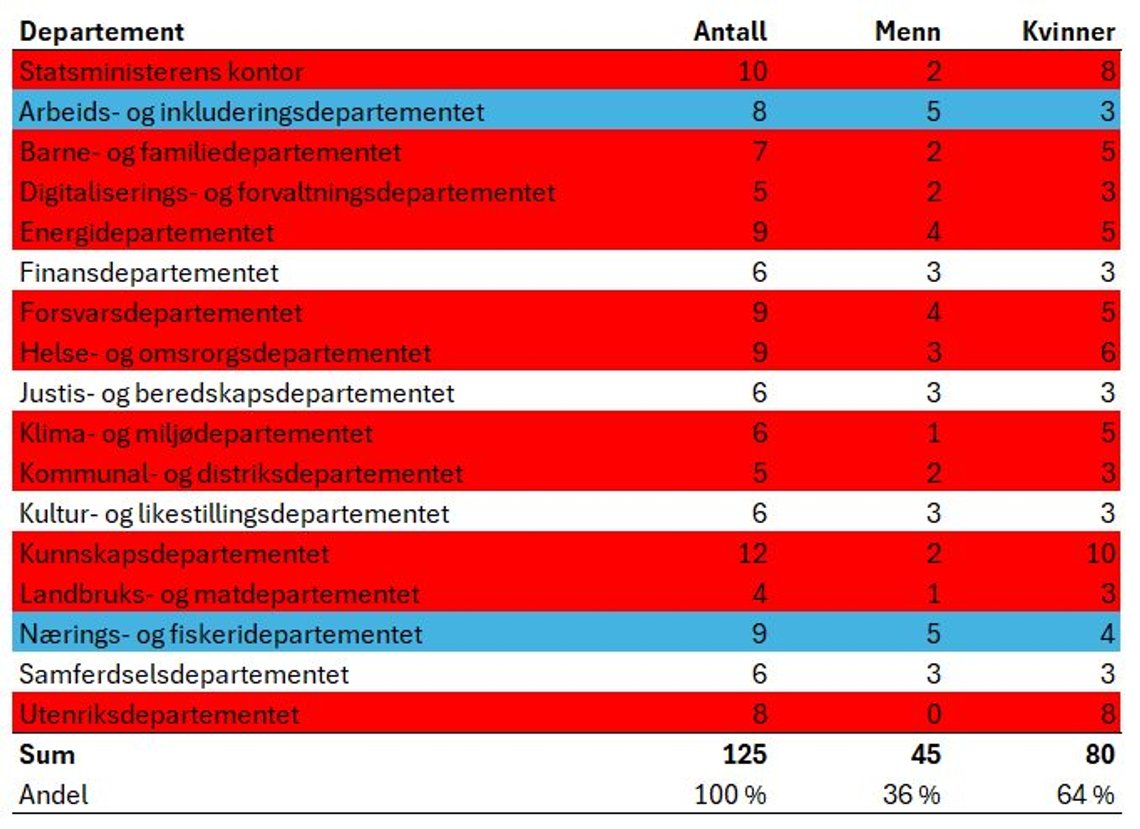 Communications advisers in the ministries. Red = female dominance. Blue: Majority men. Source: Regjeringen.no
The government’s strategy for equality between women and men 2025–2030 emphasises the ambition of an equal labour market, fewer gender-segregated occupational choices and better balance in leadership positions and sectors. The strategy points to the need to redress imbalances where one gender dominates, and to integrate equality into all policy-making – including within the state’s own operations. Nevertheless, the communications staff in the ministries show a marked imbalance.
Better at non-verbal emotional signals
Research on gender differences in communication shows moderate differences: women tend towards a more relational, emotional and community-oriented style, while men are often more direct and task-focused.
Women also score higher in interpreting non-verbal emotional signals. More recent studies (2020–2025), however, emphasise that the differences are small, strongly influenced by context, power relations and culture, and that the overlap between the sexes is substantial.
In practice, journalists and others who contact the ministries often encounter a common pattern: in telephone enquiries, the standard response is “send us an email”. Replies usually come, but it may take several days – even for simple questions. Sometimes no reply is given. This may be linked to bureaucratic routines and priorities, but also accords with a thorough, written and relational approach.
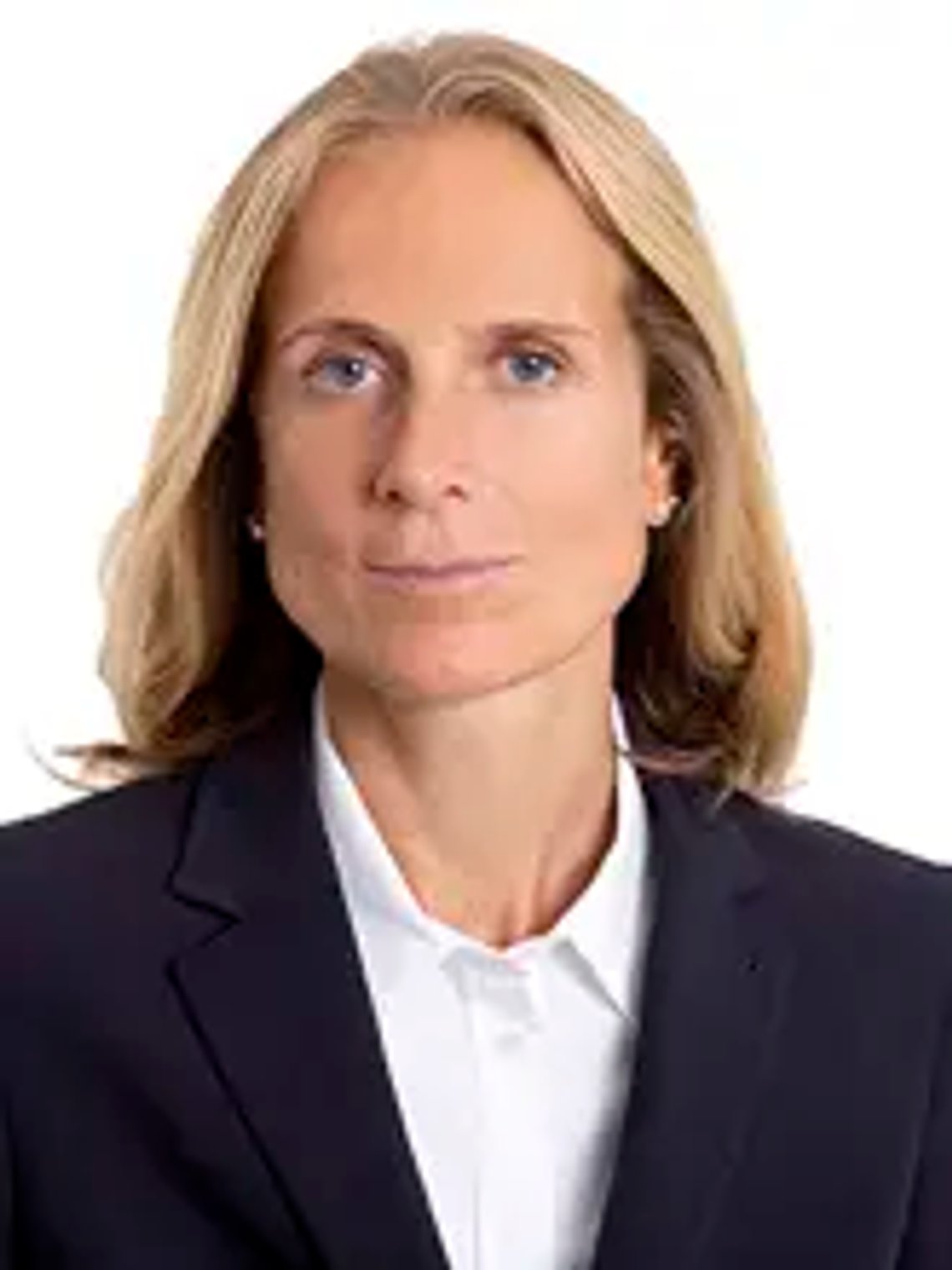 Head of Communications Tuva Borgnes in the Ministry of Foreign Affairs has seven female communications advisers on her staff. Photo: Regjeringen.no
Espen Barth Eide’s women
Particularly in the Ministry of Foreign Affairs there is complete female dominance: a female head of communications leads seven female advisers – there are no men in the team.
But Prime Minister Jonas Gahr Støre also prefers a more emotional style in which the interpretation of non-verbal emotional signals is given greatest weight. For a full eight out of ten communications advisers in the Office of the Prime Minister are women.
 Head of Communications Anne Kristin Hjukse manages communications at the Office of the Prime Minister. Photo: Regjeringen.
But these two ministries are by no means unique in having fully female-dominated communication with the outside world. In the Ministry of Climate and Environment there sits a solitary man among five women who communicate on climate. In the Ministry of Agriculture and Food, which is also strongly influenced by a climate focus, there also sits a solitary man together with three women.
And it does not stop there. Communication concerning schools, education and research from the government is primarily carried out by women. In the Ministry of Education’s choir there are scarcely any basses, baritones or tenors. In the dual ministry governed by two women, Minister of Education Kari Nessa Nordtun and Minister of Research and Higher Education Sigrun Aasland, as many as 10 out of 12 communications advisers are women.
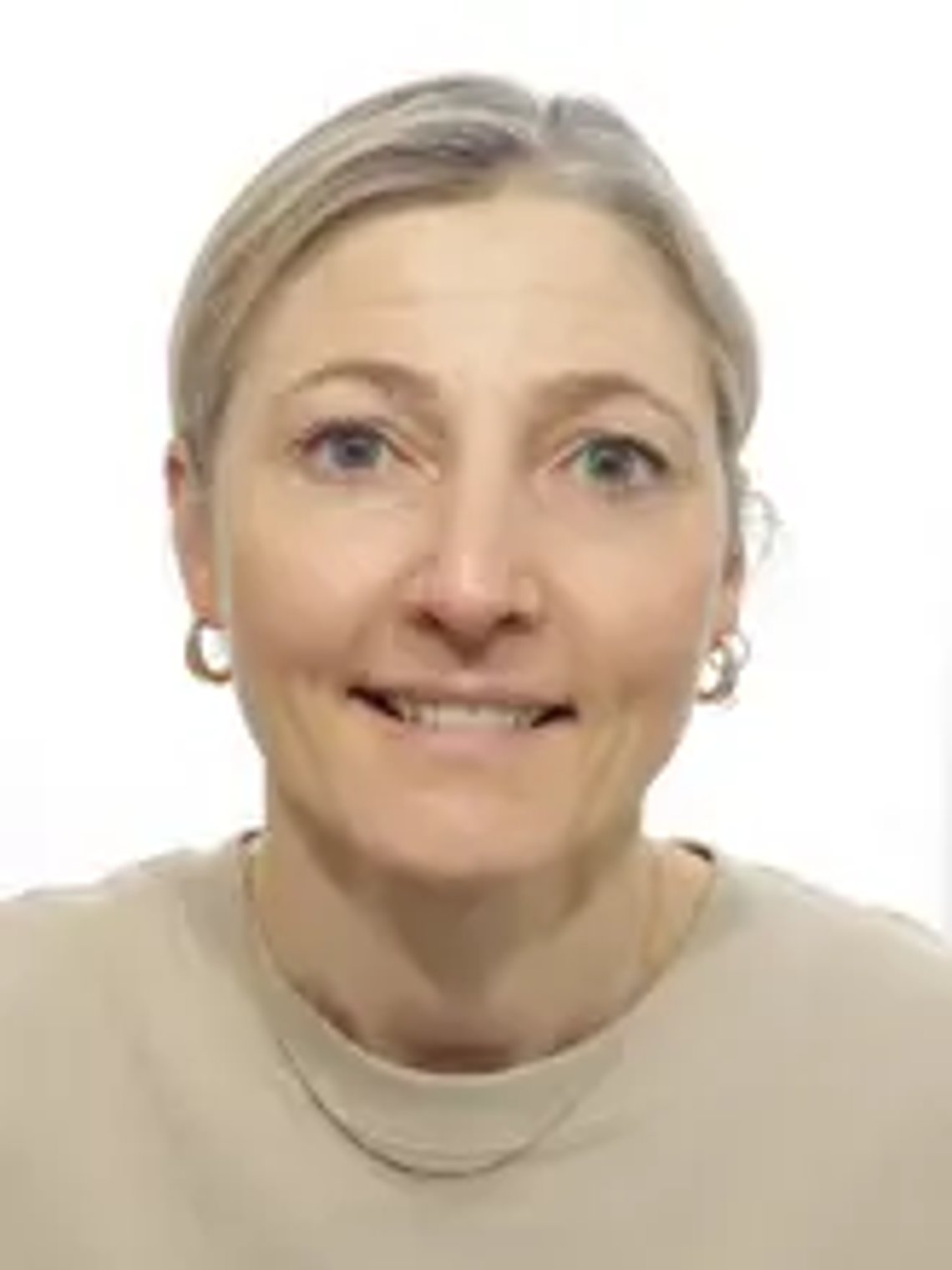 Martine Røiseland manages climate communication. Photo: Regjeringen.no
Four of 17 ministries practise full equality in their communication: the Ministry of Finance, the Ministry of Justice and Public Security, the Ministry of Culture and Equality, as well as the Ministry of Transport. They each have six advisers – half men, half women.
Only two ministries have a male majority: the Ministry of Labour and Inclusion (8 advisers, 5 men) and the Ministry of Trade, Industry and Fisheries (9 advisers, 5 men).
Contrast with the government’s objectives
 Head of Communications Line Torvik in the Ministry of Education. Photo: Regjeringen.no
The large proportion of women in communications roles stands in contrast to the government’s objective of a broader gender balance in occupations and leadership. This may give cause for reflection on recruitment, diversity and how equality policy is practised internally within the state – even if individual factors and sector-specific traditions also play a role. (Source: Internal overviews of the ministries’ communications staffs)
What do you think – should there be greater attention to gender balance in such support functions, or are there other priorities that carry more weight?


